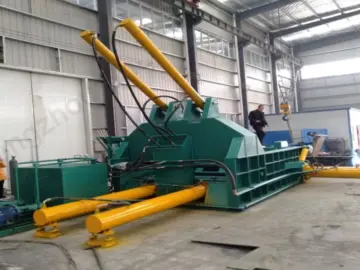
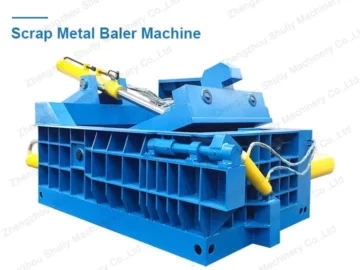
Choosing between a horizontale Ballenpresse and a vertikale Ballenpresse is one of the most critical decisions for any scrap recycling business. Get it wrong, and you’ll either overpay for capacity you don’t need or struggle with equipment that can’t keep up with your operations. Having installed over 2,000 recycling machines worldwide in 14 years, our engineering team at Shuliy has seen every scenario imaginable.
“The biggest mistake we see is buyers focusing only on price rather than matching the machine to their actual workflow,” says Wang Wei, Lead Hydraulic Engineer at Shuliy since 2011. “A horizontal baler might seem like overkill for a small operation, but if you’re processing 5+ tons daily, it will pay for itself in labor savings alone.”
Kurze Zusammenfassung: Welchen Balierer brauchen Sie?
| Faktor | Horizontal wählen | Vertikal wählen |
|---|---|---|
| Tägliches Volumen | 5 Tonnen/Tag | Weniger als 5 Tonnen/Tag |
| Verfügbarer Raum | Große Lagerhalle/Einrichtung | Begrenzter Bodenraum |
| Budget | $15,000-$50,000+ | $3,000-$20,000 |
| Automatisierung | Hoch (PLC-gesteuert) | Manuell/semi-automatisch |
| Materialarten | Gemischter schwerer Schrott, Autos | Karton, Kunststoff, leichtes Metall |
Was ist ein Horizontaler Balierer?
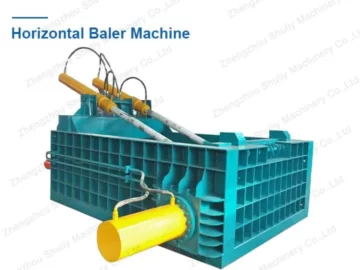
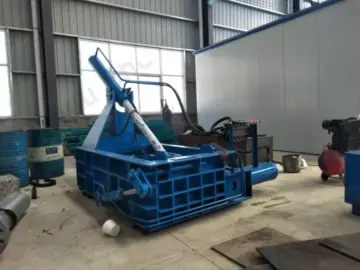
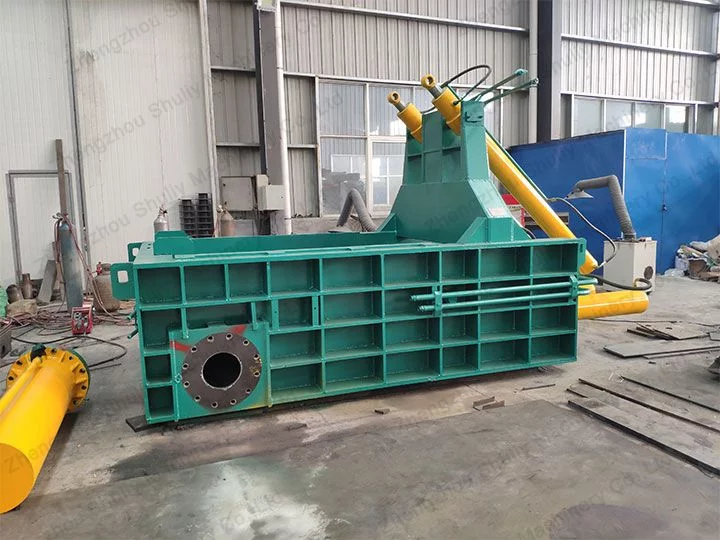
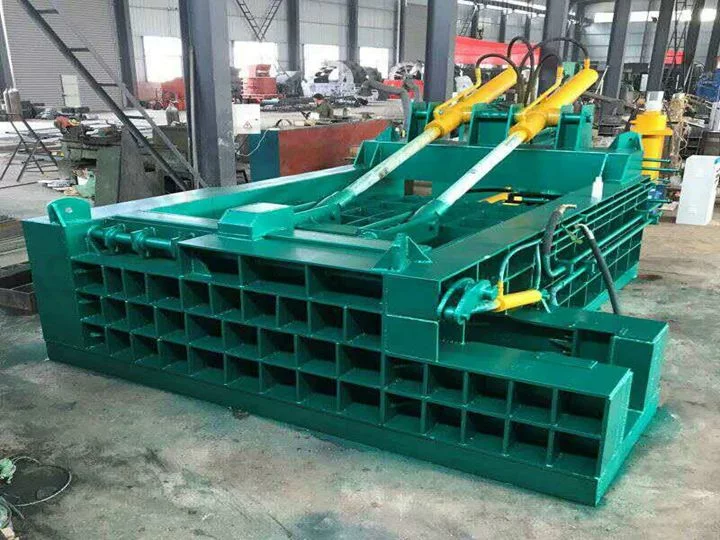
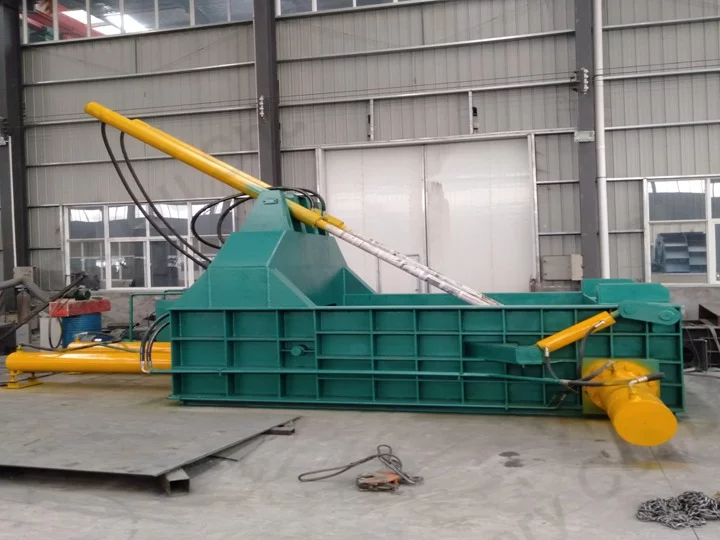
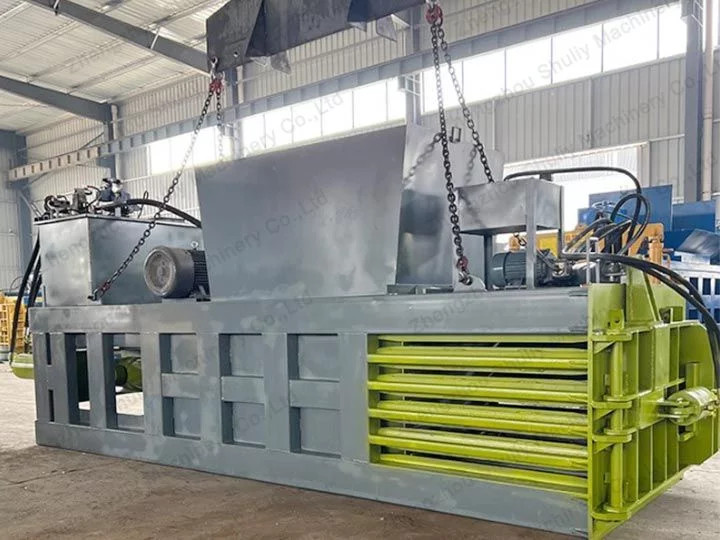
A Horizontale Ballenpresse is a heavy-duty industrial machine that compresses materials horizontally using a side-mounted hydraulic ram. These machines feature a long compression chamber and typically include automated feeding systems, making them ideal for continuous, high-volume operations.
Schlüssel-Spezifikationen für horizontalen Balierer
| Modell | Schubkraft | Ballgröße | Effizienz | Leistung |
|---|---|---|---|---|
| Y81-1250A | 1250 kN | 300×300mm | 1200-1800 kg/h | 15 kW |
| Y81-1600A | 1600 kN | 400×400mm | 2000-3500 kg/h | 22 kW |
| Y81-1600B | 1600 kN | 400×400mm | 2000-4000 kg/h | 30 kW |
Was ist ein Vertikaler Balierer?
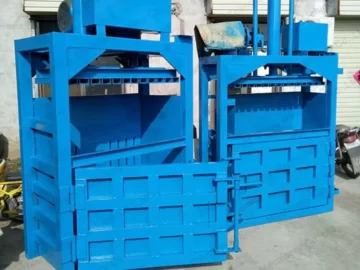
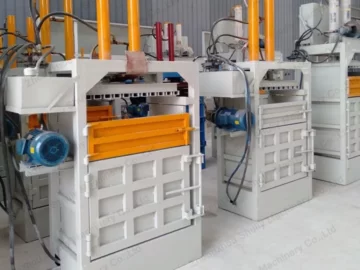
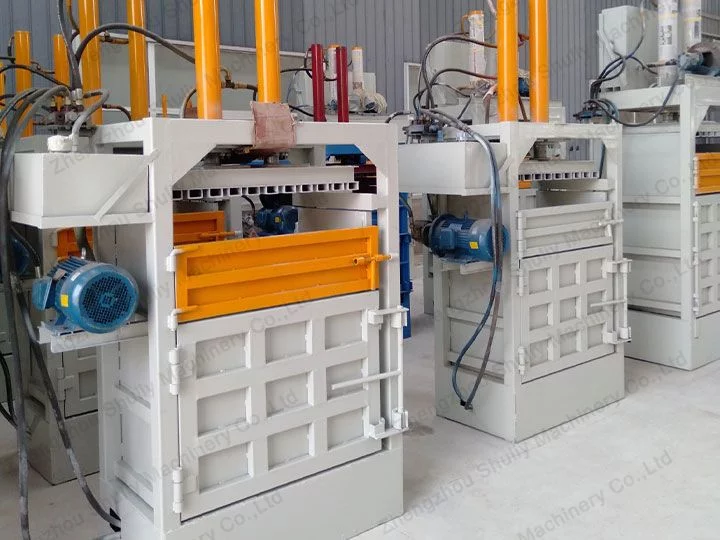
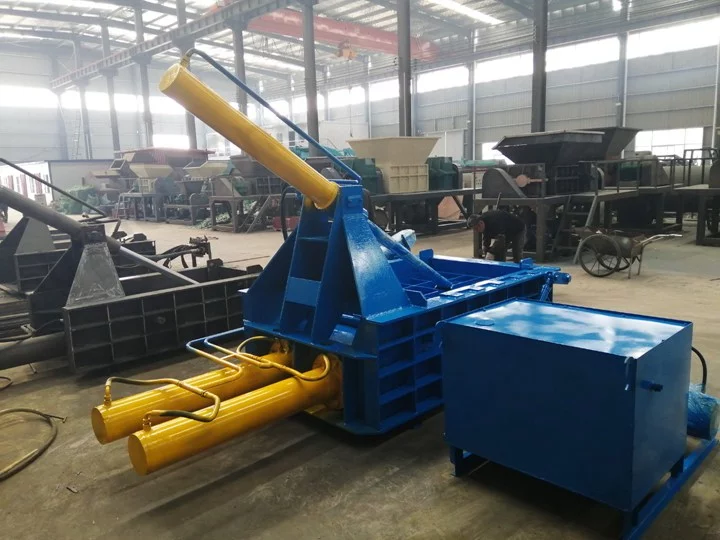
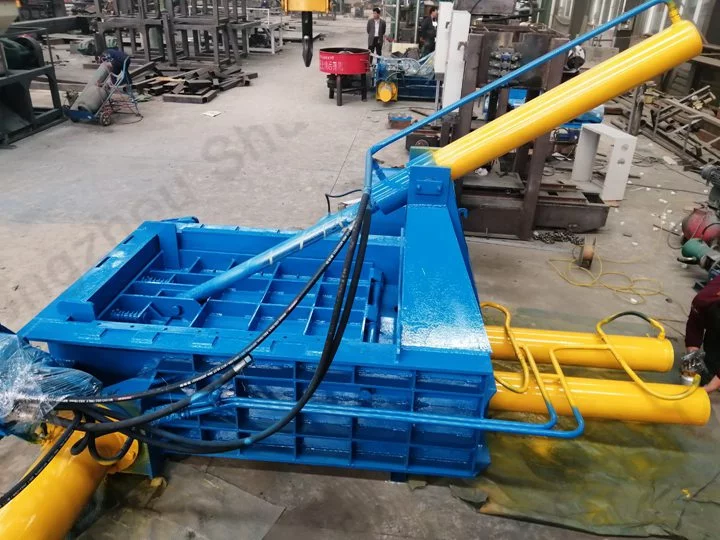
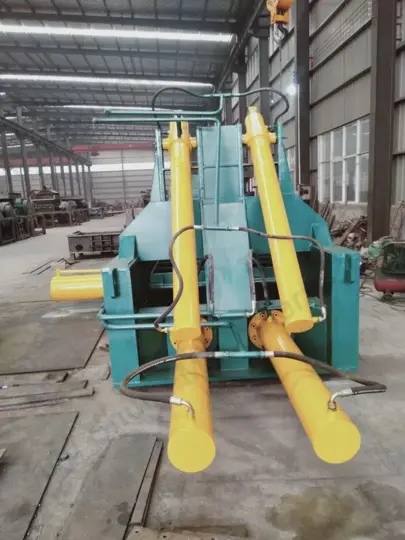
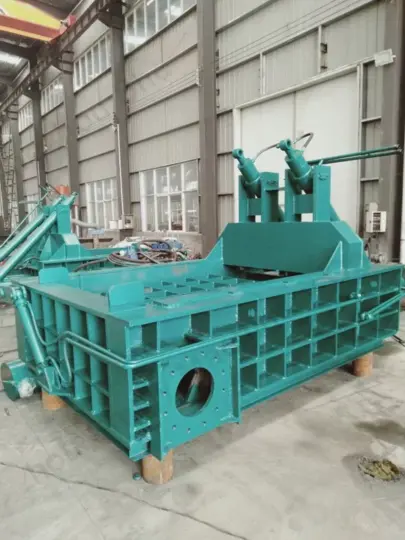
A Vertikaldrahtpresse features a vertical compression ram that presses downward from above. These compact machines have a smaller footprint, making them perfect for businesses with limited floor space. Most vertical balers are manually or semi-automatically operated, requiring manual loading of materials.
Schlüssel-Spezifikationen für vertikale Balierer
| Modell | Hydraulische Kraft | Balldichte | Kapazität | Leistung |
|---|---|---|---|---|
| SL40QT | 40 Tonnen | 300 kg/m³ | 1-3 t/h | 18-22 kW |
| SL80QT | 80 Tonnen | 400 kg/m³ | 4-7 t/h | 30-45 kW |
| SL120QT | 120 Tonnen | 600 kg/m³ | 9-12 t/h | 60-75 kW |
Detaillierter Vergleich: Horizontal vs Vertikal
1. Platzbedarf
The most obvious difference is the footprint. Vertical balers are tall but narrow—typically requiring just 10-15 square meters of floor space. This makes them ideal for supermarkets, retail stores, and small warehouses where floor space is premium.
Horizontal balers, by contrast, are long and low. Our Y81-1600B model, for example, requires approximately 25-35 square meters of dedicated space. However, they can often be fed from conveyor belts or forklifts, integrating seamlessly with existing material handling workflows.
2. Produktionskapazität & Effizienz
This is where horizontal balers truly shine. With their automated systems and continuous operation, they can process 2-4 tons per hour—that’s 16-32 tons in an 8-hour shift. Vertical balers, even the largest models, typically max out at 4-5 tons per day with manual operation.
- Vorteil Horizontal: PLC-gesteuerte Automatisierung bedeutet, dass ein Bediener mehrere Maschinen gleichzeitig verwalten kann
- Vertikale Begrenzung: Erfordert manuelle Beladung, Binden und Auswurf—arbeitsintensiv bei hohen Volumen
3. Materialtransportfähigkeiten
Horizontaler Balierer ist hervorragend bei:
- Schwerer Schrottstahl und Eisen
- Komplette Karosserien und Gehäuse
- Industrielle Abbruchabfälle
- Große, sperrige Gegenstände
Vertikale Balierer sind hervorragend bei:
- Karton und Papier
- Kunststoffflaschen und Behälter
- Textilien und Kleidung
- Aluminiumdosen und leichtes Metall
4. Investitionskosten & ROI-Zeitraum
Es lässt sich nicht verleugnen— horizontale Balierer erfordern eine größere Anfangsinvestition. Aber wie unser Ingenieur Wang Wei betont: „Für eine Schrottplatz, der täglich 10 Tonnen verarbeitet, können die Arbeitskosteneinsparungen durch einen horizontalen Balierer die Kostenunterschiede in nur 18-24 Monaten decken.“
| Kosteneinflussfaktor | Vertikaler Balierer | Horizontaler Balierer |
|---|---|---|
| Anschaffungskosten | $3,000-$20,000 | $15,000-$50,000+ |
| Betriebspersonal | Hoch (2-3 Arbeiter) | Niedrig (1 Bediener) |
| Wartung | Geringere Komplexität | Mehr Komponenten zu warten |
| Typischer ROI | 24-36 Monate | 12-24 Monate (hohes Volumen) |
Real-World-Kundenszenarien
Fallstudie 1: Einzelhandels-Supermarkt-Kette
Eine große Supermarktkette in Kenia musste täglich 2-3 Tonnen Karton- und Kunststoffverpackungen an 15 Standorten verarbeiten. Wir installierten in jedem Geschäft SL60QT vertikale Balierer. Das kompakte Design passte perfekt in ihre Hinterräume, und das Personal konnte sie mit minimaler Schulung bedienen. Das Ergebnis: 60% Reduktion der Müllabfuhrkosten im ersten Jahr.
Fallstudie 2: Schrottplatz in Ghana
Ein geschäftiger Schrottplatz in der Nähe von Accra bearbeitete täglich manuell 15-20 Tonnen gemischten Metall. Nach dem Kauf unseres Y81-1600A horizontalen Balier mit Förderbandzuführung erhöhten sie die Durchsatzmenge auf 35 Tonnen täglich mit derselben Anzahl an Arbeitern. Der Kunde berichtete: „Wir haben die Maschine in 14 Monaten allein durch Arbeitskosteneinsparungen und erhöhten Schrottwert amortisiert.“
Wie Sie Ihre endgültige Entscheidung treffen
- Berechnen Sie Ihr tägliches Volumen – Gewicht Ihrer Ausbeute für 3-5 typische Tage
- Messen Sie Ihren verfügbaren Raum – Einschluss von Freiraum für Beladung und Ballenauswurf
- Listen Sie Ihre primären Materialien auf – Schwerer Metallbedarf horizontal; leichte Recyclingmaterialien arbeiten mit vertikaler
- Bewerten Sie Ihre Arbeitskosten – Hohe Arbeitskosten rechtfertigen mehr Automatisierung
- Sprechen Sie mit unseren Ingenieuren – Wir können die perfekte Maschine für Ihre genaue Situation empfehlen
Häufig gestellte Fragen
Was ist der Hauptunterschied zwischen horizontalen und vertikalen Balierern?
Horizontale Balierer komprimieren Materialien seitlich mit einem horizontalen Zylinder, sind größer, automatisiert und für Hochvolumenbetriebe konzipiert. Vertikale Balierer komprimieren nach unten, haben eine kleinere Grundfläche und werden manuell oder halbautomatisch für geringere Volumen betrieben.
Wie viel Platz benötige ich für jeden Typ?
Vertikale Balierer benötigen typischerweise 10-15 Quadratmeter, während horizontale Balierer 25-35 Quadratmeter benötigen. Messen Sie immer Ihren Raum, einschließlich Beladungs- und Auswurfabstand, vor dem Kauf.
Kann ein vertikaler Balierer schweren Metallschrott bewältigen?
Kleinere vertikale Balierer sind am besten für Karton, Kunststoff und leichtes Metall geeignet. Für schweren Stahl, Eisen oder Autokarosserien wird aufgrund seiner höheren Kompressionskraft und größeren Zuführöffnung dringend ein horizontaler Balierer empfohlen.
Was ist der typische Preisunterschied?
Vertikale Balierer kosten zwischen 3.000 und 20.000 USD. Horizontale Balierer beginnen bei etwa 15.000 USD und können für schwere Industriemodelle 50.000 USD übersteigen.
Wie lange dauert es, bis sich die Investition in einen horizontalen Balierer amortisiert?
Für Betriebe, die täglich 5 Tonnen verarbeiten, liegt der ROI typischerweise bei 12-24 Monaten durch Arbeitseinsparungen, erhöhten Schrottwert und reduzierte Transportkosten.
Was ist einfacher zu warten?
Vertikale Balierer haben weniger bewegliche Teile und sind in der Regel einfacher zu warten. Horizontale Balierer erfordern eine umfassendere Wartung, bieten aber bei ordnungsgemäßer Pflege höhere Zuverlässigkeit und Betriebszeit.
Kann ich später von vertikal auf horizontal upgraden?
Absolut! Viele Unternehmen beginnen mit vertikalen Balierern und rüsten auf horizontale auf, wenn ihr Volumen wächst. Wir helfen Ihnen bei der Planung für zukünftiges Wachstum bei der Auswahl Ihrer Anfangsausrüstung.
Welche Sicherheitsüberlegungen gibt es?
Beide Typen erfordern eine angemessene Sicherheitsschulung. Horizontale Balierer verfügen in der Regel über umfassendere Sicherheitsmerkmale aufgrund ihrer Automatisierung, während vertikale Balierer bei manuellen Beladungen sorgfältige Aufmerksamkeit erfordern.
Bereit, den perfekten Balierer zu wählen?
Treffen Sie diese wichtige Entscheidung nicht allein. Unser Ingenieurteam hat über 500 Unternehmen weltweit bei der Auswahl der richtigen Balierkonfiguration unterstützt. Ob Sie gerade erst anfangen oder Ihre aktuelle Ausrüstung aufrüsten möchten, wir können eine maßgeschneiderte Empfehlung basierend auf Ihren spezifischen Materialien, Volumen und Platzbeschränkungen geben.
Contact Shuliy today for a free consultation. We’ll analyze your operation and recommend the ideal baler solution—horizontal or vertical—that maximizes your efficiency and ROI.
Erhalten Sie Ihre kostenlose Balier-Empfehlung
Erzählen Sie uns von Ihren Schrottmaterialien, täglichem Volumen und verfügbarem Raum. Unsere Ingenieure senden Ihnen innerhalb von 24 Stunden eine personalisierte Empfehlung.