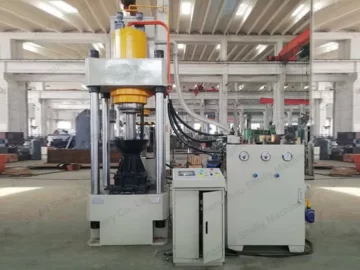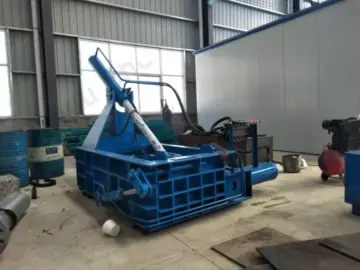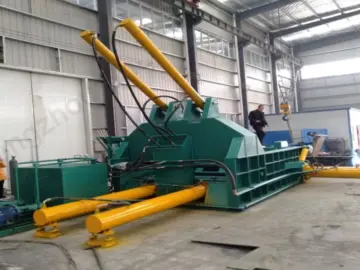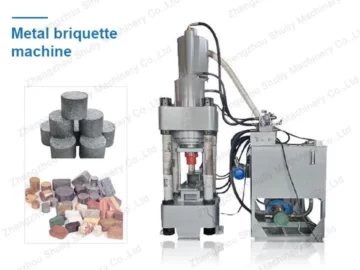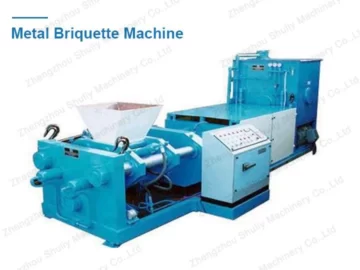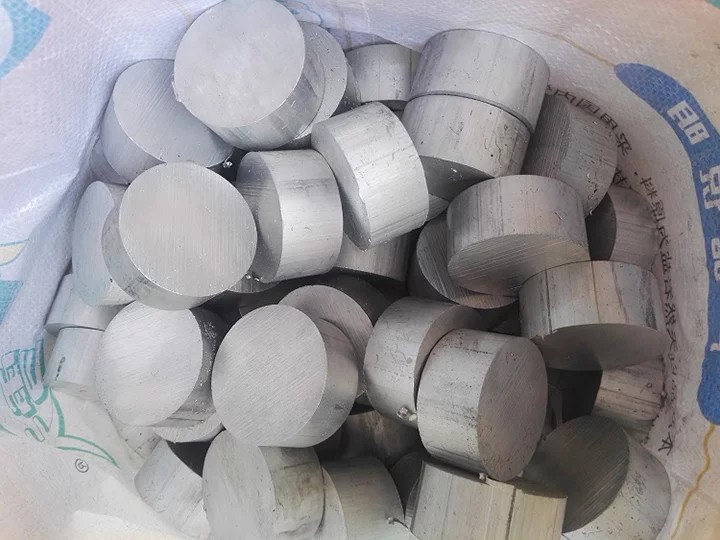
金属压块机革新了回收行业,为处理各种金属(包括铝)提供了高效的解决方案。
本文将深入探讨金属压块机的工作原理,以及它如何专门用于铝压块。
The working principle of a 金属造块机 is based on the concept of compressing metal scraps into dense briquettes, reducing their volume and facilitating storage and transportation. These machines utilize hydraulic or mechanical force to apply high pressure to the metal scraps, causing them to transform into compacted briquettes.
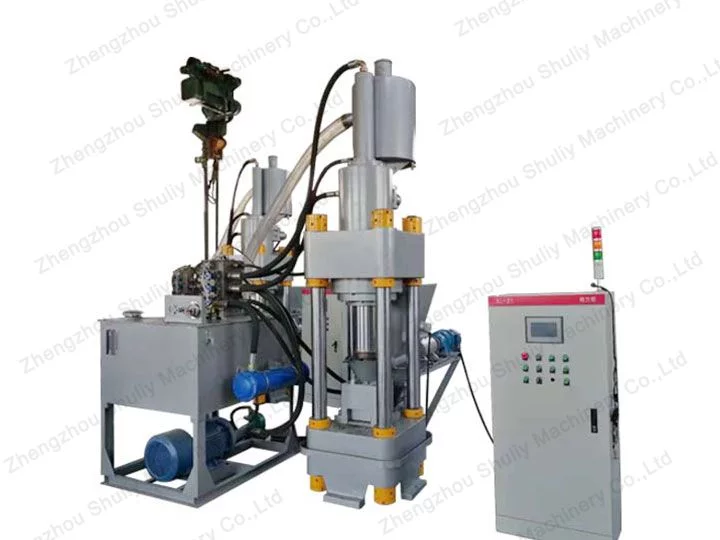
在铝压块方面,采用专门的铝金属压块机。该机器旨在处理铝的独特特性,铝质轻且具有高度可塑性。铝压块机利用压缩和加热的结合,将铝废料转变为压块。
该工艺始于将铝废料投入机器的料斗中。然后,废料通过液压或机械系统被压缩,施加巨大的压力。当压力逐渐增加时,铝废料发生塑性变形,使其能够成型为压块模具的形状。
在压缩过程中,同时对铝废料施加热量。这种热量有两个作用:软化铝,使其更易变形,以及帮助将颗粒在压块内结合在一起。加热的温度和持续时间可以根据铝压块的具体要求而变化。
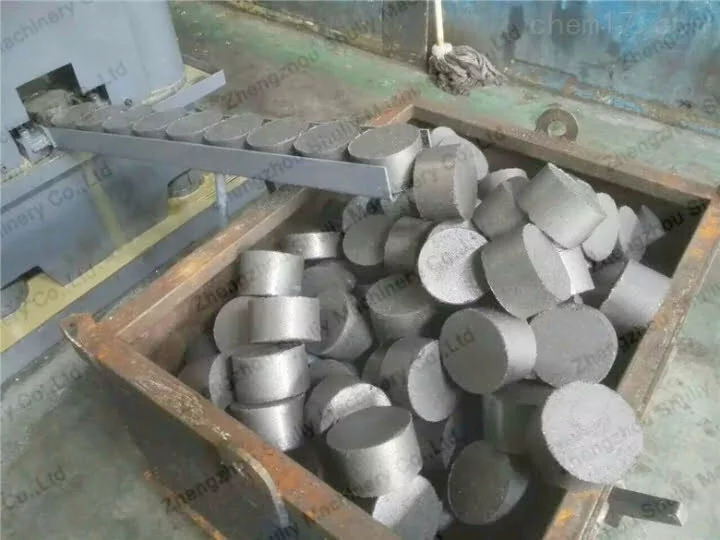
Once the compression and heating processes are complete, the 铝 briquettes are formed and ejected from the machine. These briquettes are dense, solid blocks of aluminum, ready for storage, transportation, or further processing. They have a reduced volume compared to loose aluminum scraps, making them easier to handle and more cost-effective to transport.
金属压块机的工作原理确保了铝废料的高效利用,最大限度地减少废料并促进回收。通过将散装铝废料转变为压块,机器有助于回收和再利用这种宝贵的金属,减少对原始铝的需求。
总的来说,铝用金属压块机的工作原理是通过压缩和加热铝废料,将其转变为紧凑的压块。这个过程显著减少了铝废料的体积,同时提高了其价值和易于处理的程度。