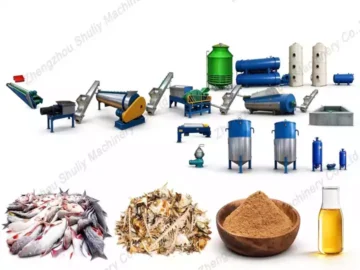
Fish processing generates large quantities of by-products, including fish heads, bones, frames, and trimmings. Instead of treating these materials as waste, seafood processors can convert suitable fish by-products into fish meal for animal feed applications.
A fish meal making machine helps businesses utilize these raw materials, reduce disposal challenges, and create additional value from fish processing.
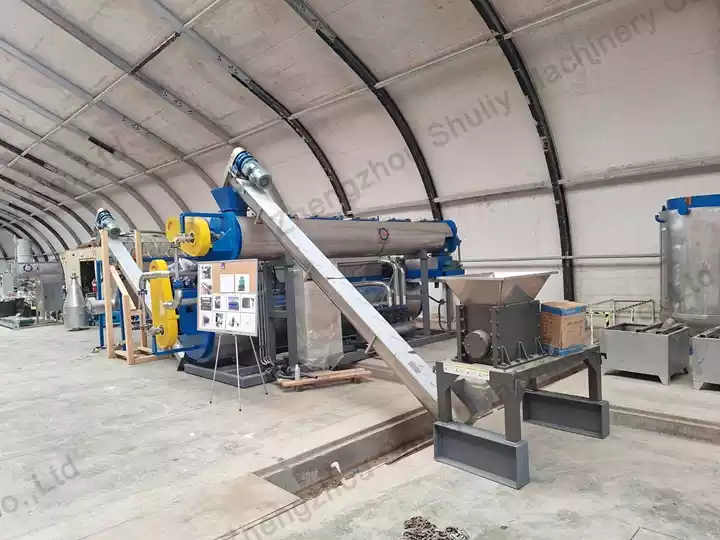
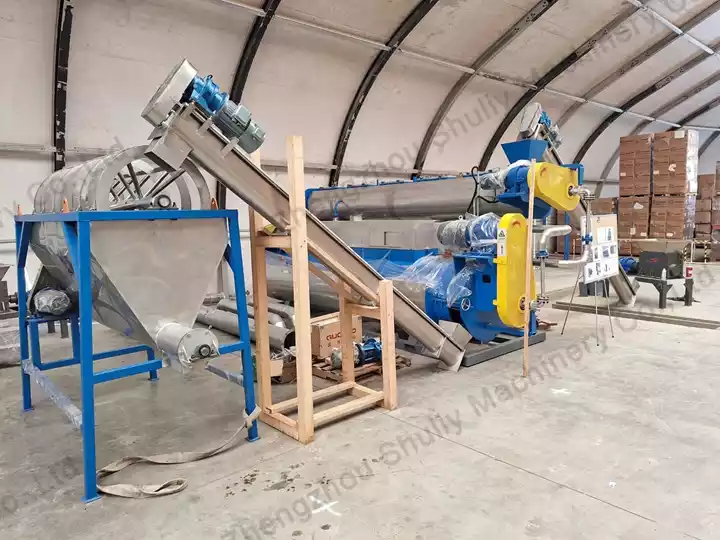
Collect and Prepare Fish Waste
The process begins with collecting suitable fish by-products from seafood processing plants, fish markets, or aquaculture operations. Raw materials should be fresh and properly handled to minimize spoilage.
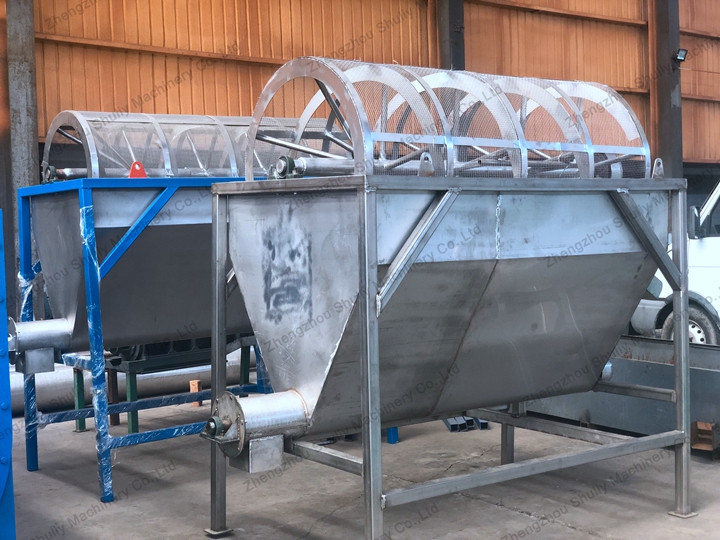
Depending on their size and composition, fish heads, bones, and other materials may need to be sorted and crushed before processing. Proper preparation helps maintain a stable production workflow.
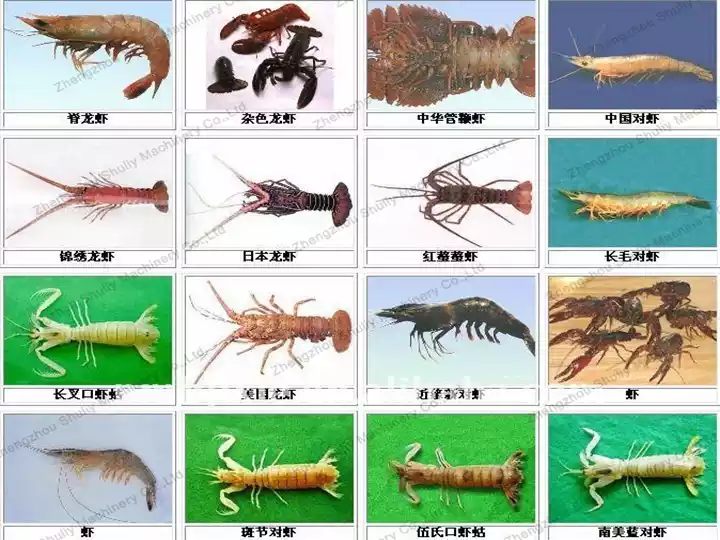
Cook the Fish Materials
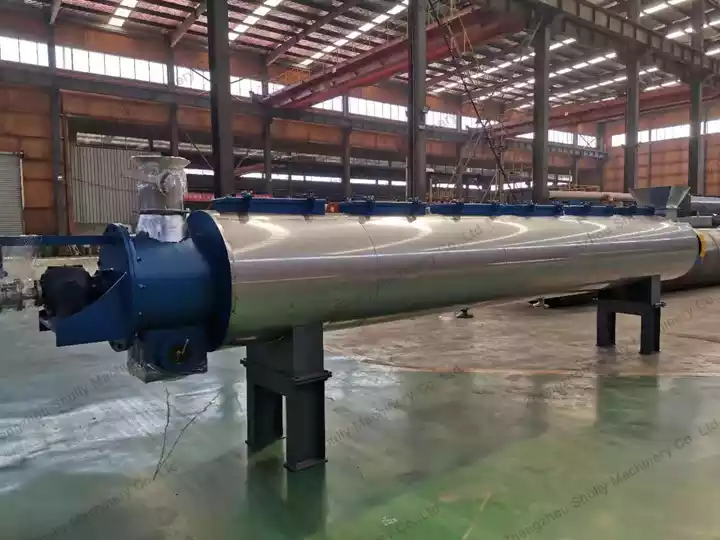
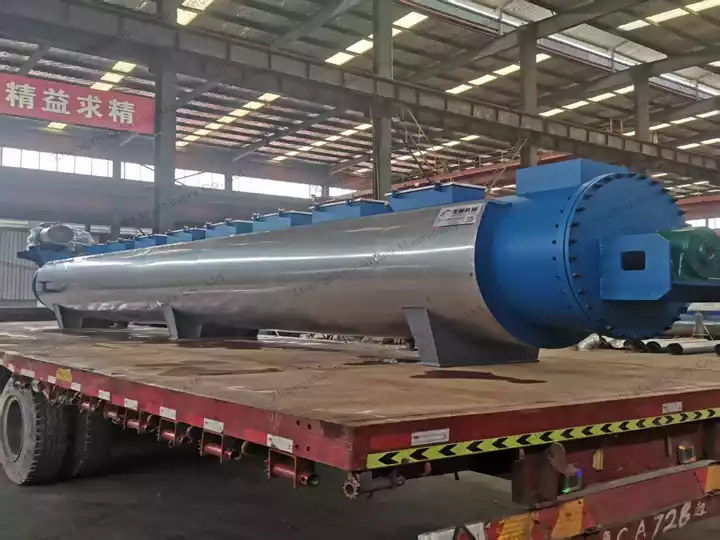
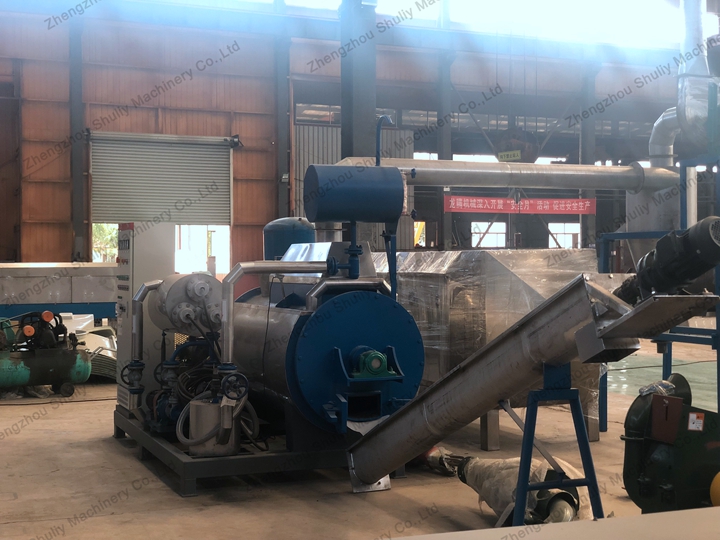
The prepared fish waste is heated in a cooking system to denature proteins and help release oil and water from the raw materials. Cooking also prepares the material for pressing and separation.
A properly configured fish meal making machine helps coordinate the cooking process with downstream equipment to support consistent processing.
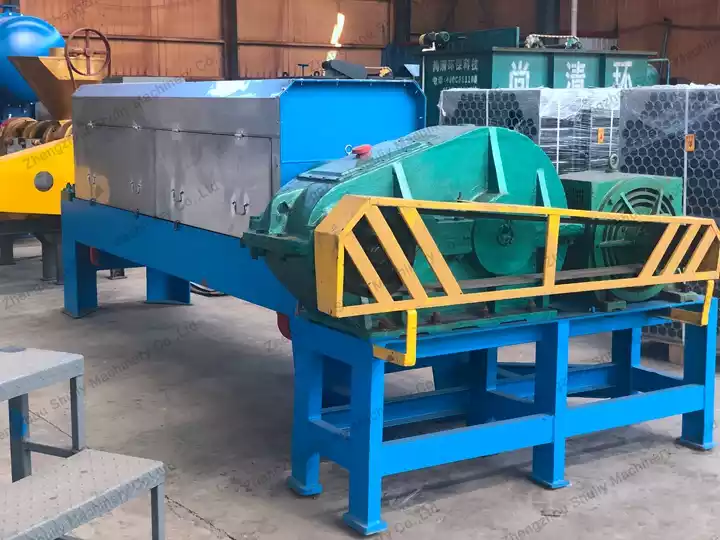
Press and Separate Oil and Water
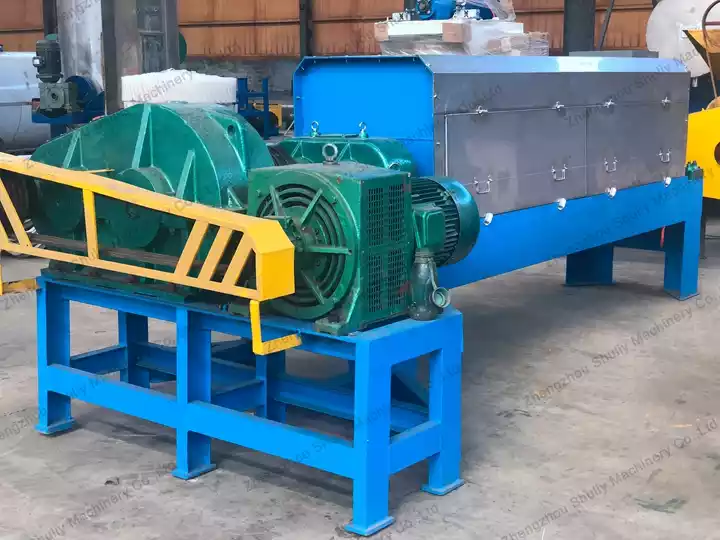
After cooking, the fish material is pressed to separate much of its liquid content from the solid fraction. The solid material proceeds to drying, while the liquid fraction can undergo further processing to recover fish oil and separate water.
This approach allows businesses to make better use of different components of the raw material instead of treating the entire output as waste.
Dry the Fish Solids
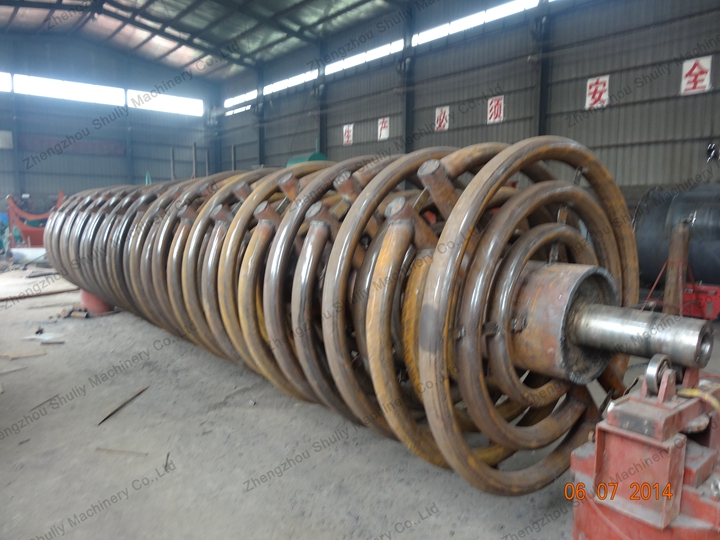
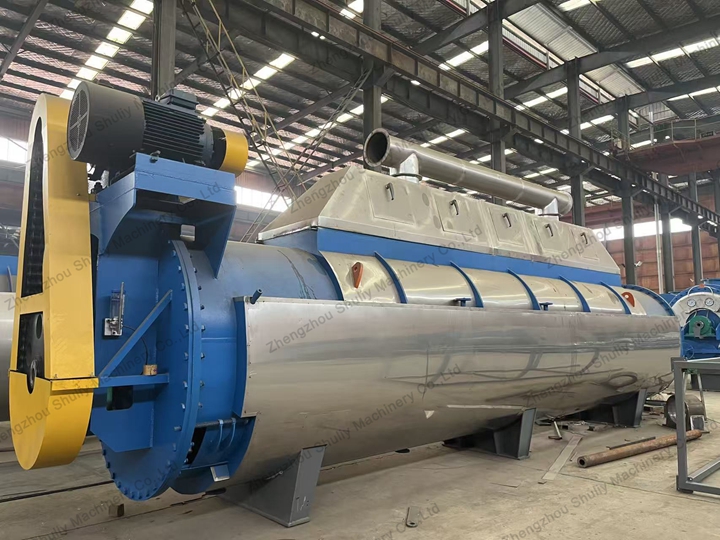
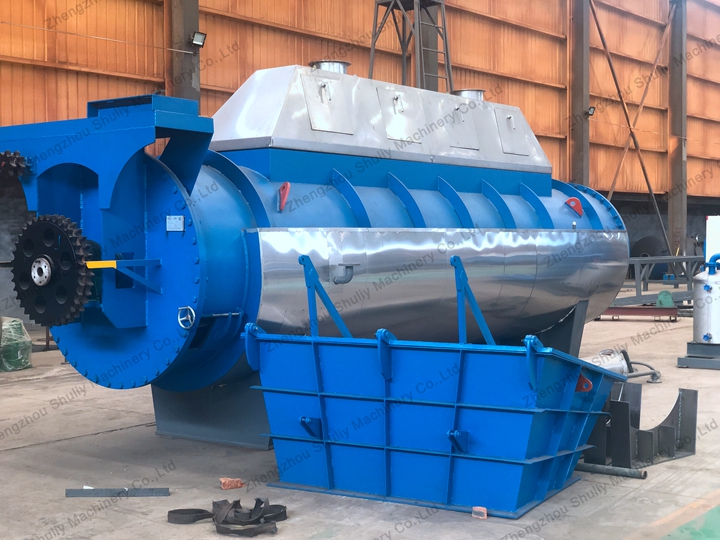
The pressed fish solids still contain moisture and must be dried before grinding. Drying helps reduce moisture to a suitable level for storage and further processing.
The dryer should be selected according to raw material characteristics, required output, and energy availability. Proper temperature control also helps maintain the desired quality of the finished fish meal.
Grind and Package the Fish Meal
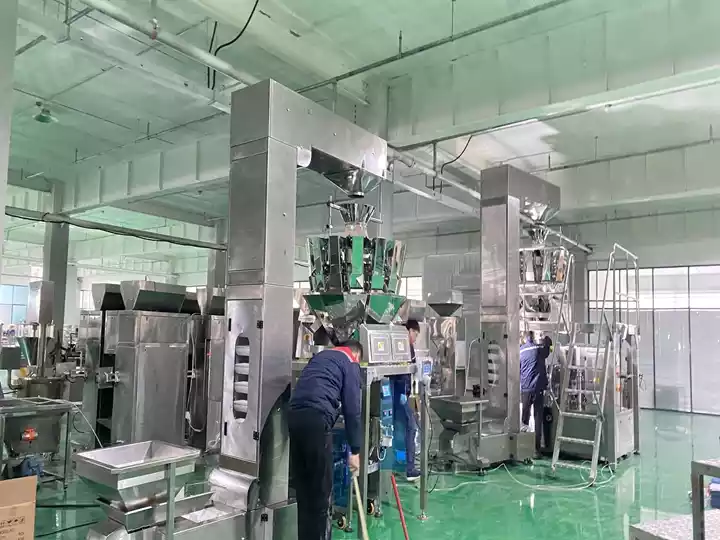
After drying and cooling as required, the material is ground into a more uniform powder. Screening can help achieve the desired particle size before packaging.
The finished fish meal can be used as an ingredient in animal or aquaculture feeds, subject to applicable feed-quality and safety requirements.
Why Invest in a Fish Meal Making Machine?
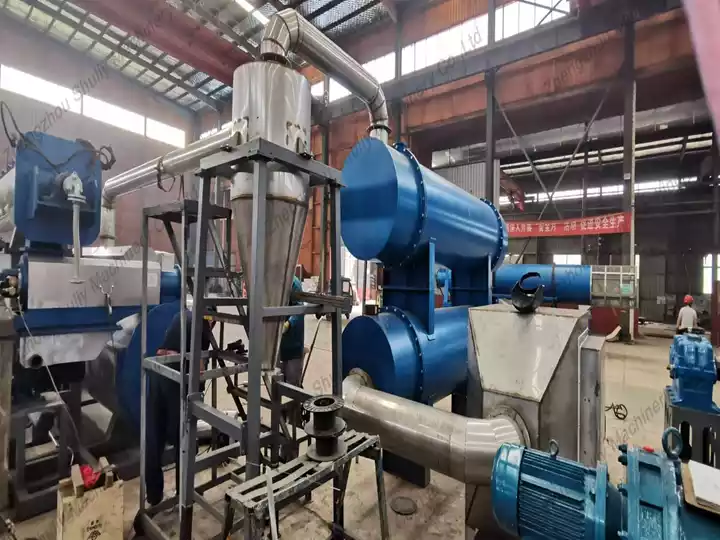
A fish meal making machine helps transform suitable fish-processing by-products into a product with commercial value. An integrated processing line can connect cooking, pressing, drying, grinding, and conveying, reducing the need to manage each stage separately.
The right configuration depends on your daily raw material supply, moisture content, target production capacity, available energy, and whether fish oil recovery is required. Evaluating these factors before purchasing helps you choose equipment suited to your business.
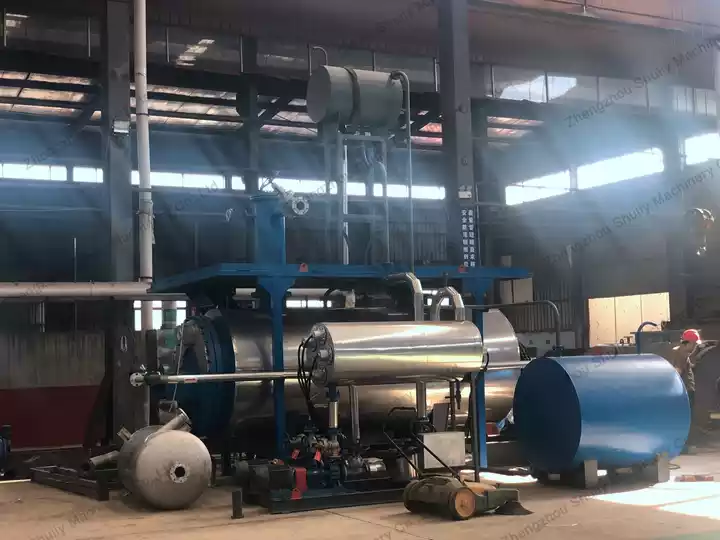
Contact Us for a Fish Meal Making Machine
Want to turn fish waste into a marketable product? Tell us your raw material type, daily processing capacity, and target output. We can recommend a suitable fish meal making machine and provide equipment details, process layouts, and a customized production solution.