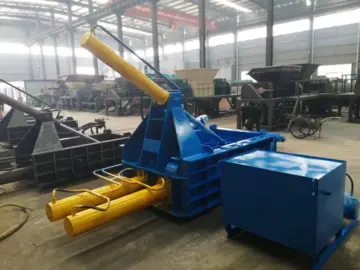
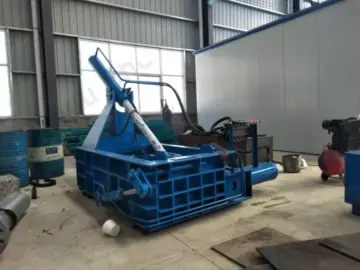
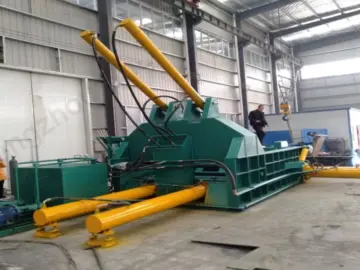
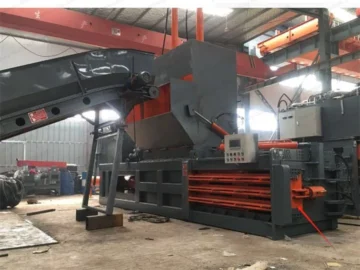
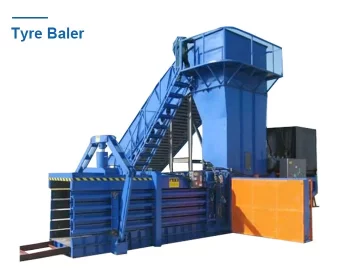
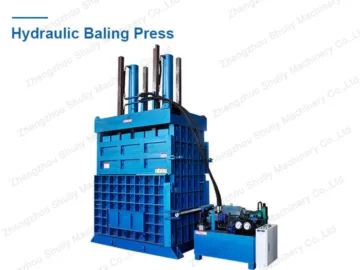
Scrap tires are a nightmare for logistics. They are bulky, full of space, and worst of all, they act like giant springs. If you try to crush a tire with a standard cardboard baler, it will simply bounce back to its original shape the moment the pressure is released.
To make tire recycling profitable, you need to turn 100+ loose tires into a single, dense block. But how do you overcome the massive “elastic memory” of rubber and steel belts?
The secret lies in the high-density tire baler. In this technical guide, we reveal the engineering behind our machines—specifically the Hydraulic Power and the crucial Anti-Rebound Mechanism—that allows you to reduce tire volume by 5:1.
The Core Challenge
Before understanding the machine, we must understand the material. A car or truck tire is engineered to be tough. The embedded steel wires and reinforced rubber are designed to resist deformation.
When you compress a stack of tires, they store that potential energy. Without the right technology, a compressed stack poses a safety hazard and will “explode” back open, damaging the machine and injuring operators.
This is why a standard vertical baler cannot handle tires. You need a specialized Heavy Duty Tire Compactor.
The Solution Part 1: Extreme Hydraulic Force
To permanently deform the steel belts inside the tires, brute force is required.
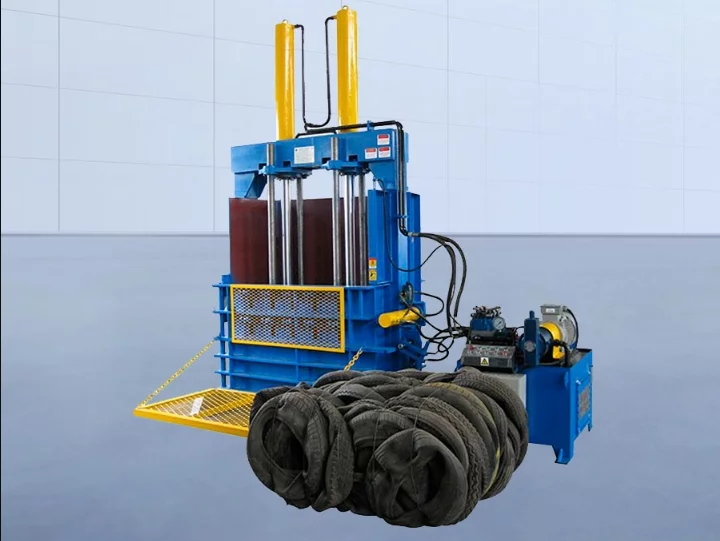
Heavy duty cylinders: our Vertical hydraulic tire baler is equipped with oversized hydraulic cylinders capable of generating 60 to 120 tons of pressing force.
Crushing the steel: at this pressure level, the internal steel structure of the tire yields and collapses. The air pockets are eliminated.
Cycle efficiency: despite the high power, our hydraulic system features a fast-approach / slow-press design to reduce cycle time, allowing you to bale more tires per hour.
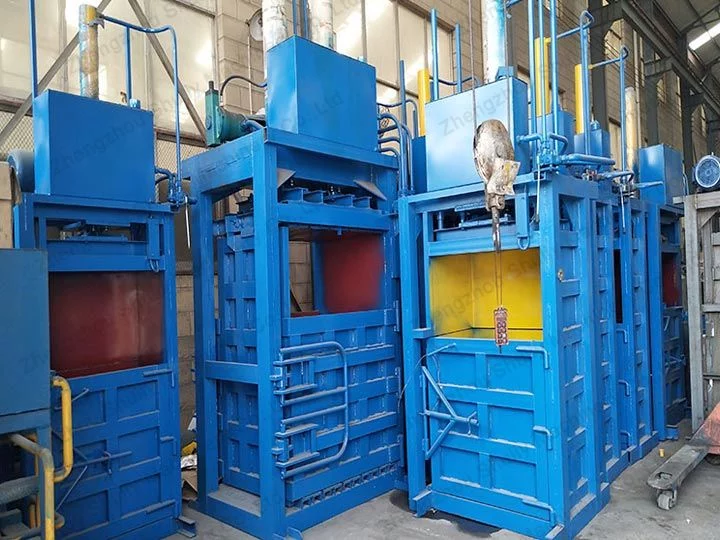
The Solution Part 2: Retractable Retainer Claws
This is the most critical feature for achieving high density. You cannot load 100 tires into the chamber at once; you have to do it in batches.
How it works:
Compression: you load the first batch of 15-20 tires. The ram pushes them down.
Locking: as the ram retracts to let you load more, the compressed tires naturally want to spring back up. This is where the Retainer Claws engage.
Holding: these heavy-duty steel fingers automatically extend from the chamber walls, pinning the compressed tires down.
Refilling: the chamber is now empty again (but the bottom is full of compressed tires). You load the next batch and repeat.
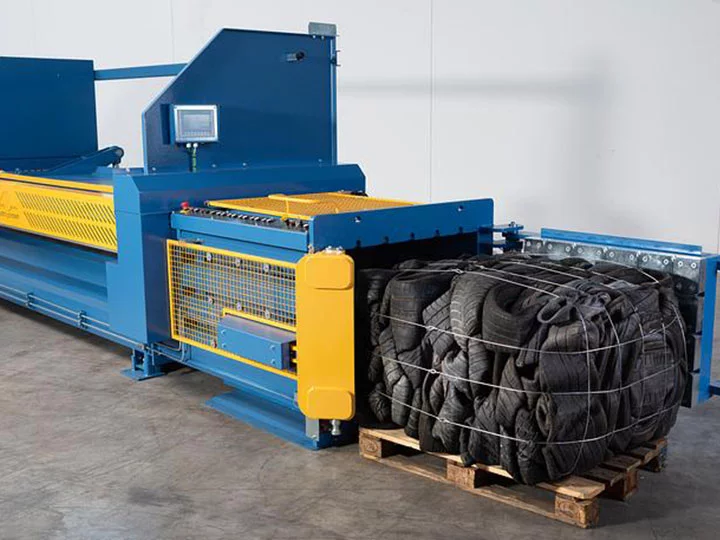
The result: by repeating this cycle 5-6 times, you can pack 100 to 120 car tires into a single bale!
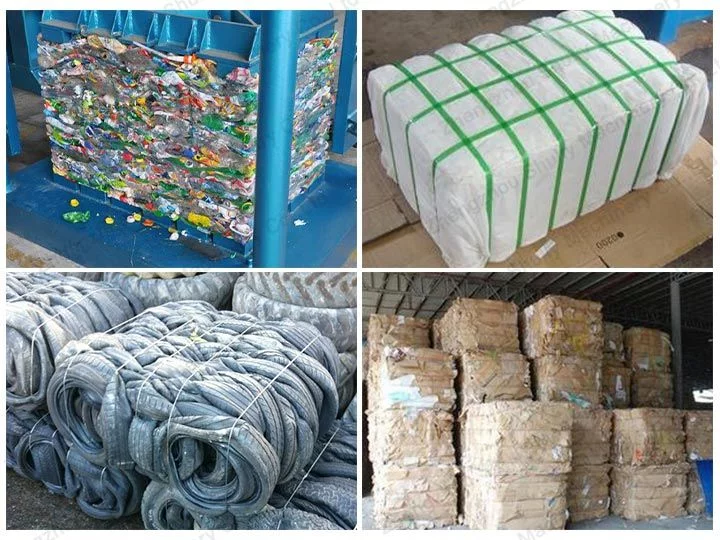
Structural Integrity: Preventing Chamber Explosion
The lateral pressure of a tire bale is immense. It constantly tries to push the door open.
- Reinforced chamber: we build our scrap tyre baling machine with extra-thick steel channels and reinforced welding ribbing.
- Safety lock: we use a specialized hydraulic or wheel-lock door Latch mechanism. This ensures the door stays shut tight during the compression cycle, preventing accidents.
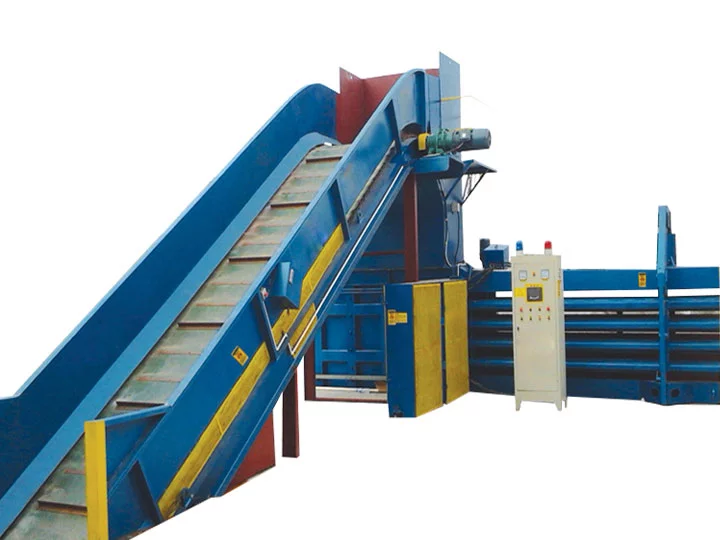
Why High-Density Bales Matter?
Investing in a high-spec tire baler pays for itself through logistics savings.
- Maximize container loads: with high-density baling, you can double or triple the number of tires you fit into a 40ft shipping container. This slashes your shipping cost per tire.
- PAS 108 standard: our machines produce bales that meet international standards, making your bales sellable as engineering construction blocks for road foundations or drainage projects.
- Safety and compliance: dense bales eliminate trapped air and prevent water pooling, keeping your yard compliant with environmental laws.
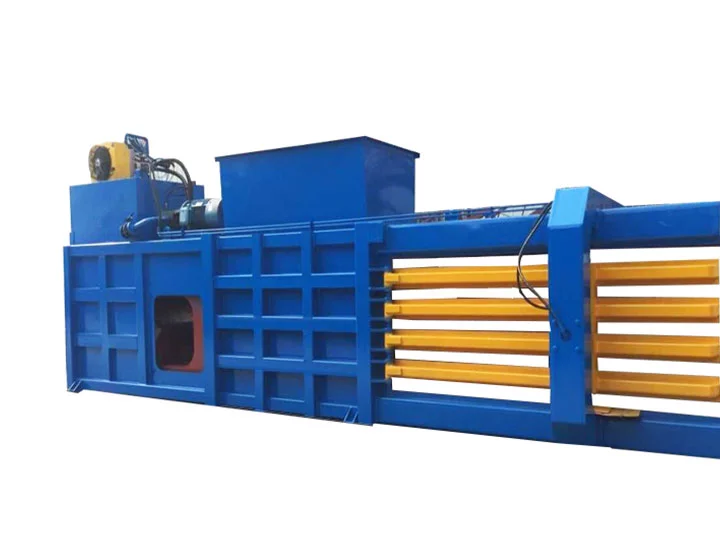
Conclusion
Achieving high-density tire bales isn’t magic; it’s a matter of engineering. It requires a combination of brute hydraulic force to crush the steel belts and smart Anti-Rebound Claws to hold the progress.
Don’t let shipping costs eat your profits. Upgrade to a Heavy Duty Tire Baler that packs more tires into every load.