
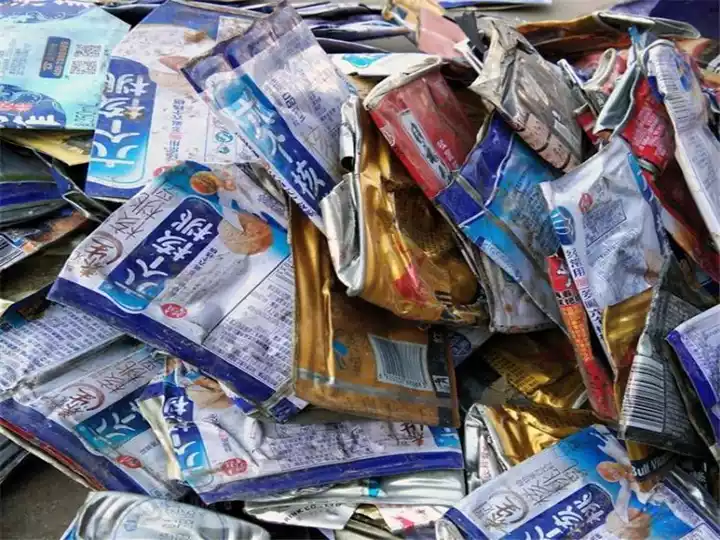
If you run a recycling center, a scrap yard, a beverage distribution business, or any operation that generates large quantities of used aluminum cans, you already know the problem: empty cans take up enormous space. A single aluminum can weighs about 13–15 grams, but its volume is mostly air. One cubic meter of loose, uncrushed cans weighs only 30–50 kg — meaning over 95% of your storage space is wasted on air.
This creates a chain of costly problems: overflowing bins, frequent collection runs, high transport costs, low scrap value per load, and wasted warehouse space. The good news? Reducing the volume of waste aluminum cans is straightforward once you understand the right approach — and an aluminum can baler is the most effective tool for the job.
Understand Why Loose Cans Cost You Money
Before solving the problem, it helps to understand exactly how much loose cans are costing you. The economics of aluminum can recycling are driven by 密度 — the weight of material per unit of volume. Here is how it breaks down:
| Form | Density (kg/m³) | Space for 1 ton |
|---|---|---|
| Loose whole cans | 30–50 | 20–33 m³ |
| Hand-flattened cans | 80–120 | 8–12 m³ |
| Baled cans (250×250mm bales) | 400–500 | 2–2.5 m³ |
| Baled cans (400×400mm bales) | 450–550 | 1.8–2.2 m³ |
The numbers tell the story clearly. Loose cans are 10–15 times less dense than baled cans. That means:
- You need 10–15 times more truck trips to move the same weight of aluminum.
- You need 10–15 times more storage space to hold the same quantity of scrap.
- Scrap yards pay less for loose, low-density material because it costs them more to process and transport.
Every day you store loose cans is a day you are paying for space, labor, and logistics that you do not need to be paying for. Compressing cans into dense bales is the single most effective way to cut these costs — and an aluminum can baler does this in one hydraulic cycle.
Sort and Clean Cans Before Baling
Not all aluminum cans are created equal. Before compressing, a simple sorting step improves bale quality and scrap value:
- Separate aluminum from steel/tin cans: Use a magnet — aluminum is non-magnetic, steel is magnetic. Mixed bales are rejected or heavily discounted by smelters.
- Remove liquid residue: Drain remaining liquid from cans before baling. Liquid-contaminated bales can be refused by scrap buyers and may attract pests during storage.
- Remove plastic and foreign materials: Pull out plastic caps, six-pack rings, straws, and other contaminants. Clean UBC (used beverage can) bales command a higher price per ton.
- Optional: shred or pre-crush: For very high-volume operations, a pre-crusher or shredder can rough-break the cans before they enter the aluminum can baler, increasing bale density by another 10–15%.
Clean, sorted, and properly compressed UBC bales are classified as premium scrap and can sell at 80–90% of primary aluminum price — far more than mixed or contaminated loads.
Use an Aluminum Can Baler to Compress Volume by Up to 90%
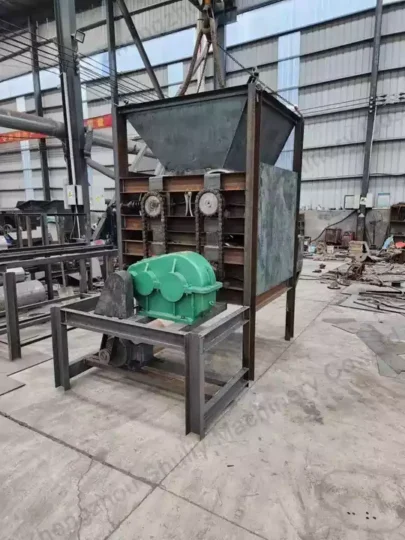
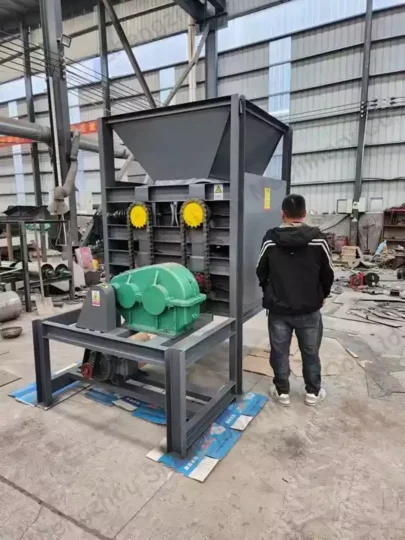
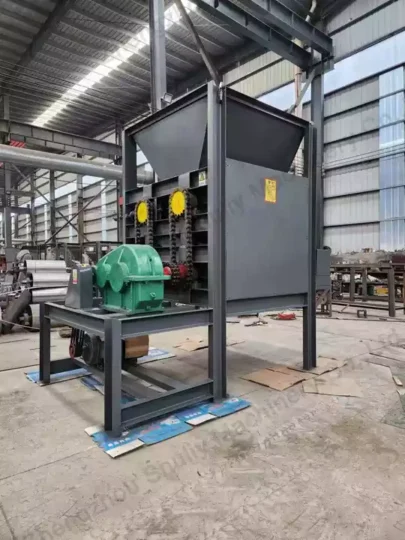
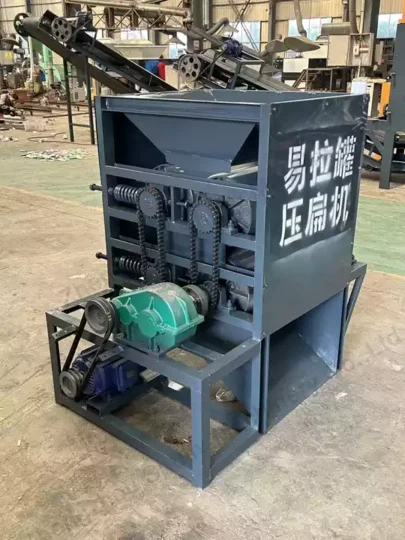
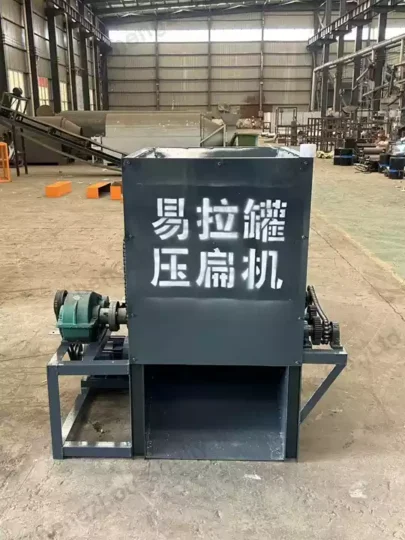
The core of any volume reduction strategy is the aluminum can baler. This is a hydraulic machine that compresses loose cans into dense, uniformly shaped blocks (bales) that are easy to stack, store, transport, and sell.
Here is how it works in simple terms:
- Loading: Loose cans are fed into the press box — either manually, by conveyor, or by a loading hopper depending on the model.
- 压缩: The hydraulic cylinder drives the main ram, pressing the cans with 63 to 400 tons of force (depending on model) into a compact block.
- Baling: The compressed block is held in shape by the press box walls. Wire or strapping is tied around the block to keep it compact after ejection.
- Ejection: The bale is pushed out of the machine — side push, forward push, or turning-out depending on the model. The bale is now ready for stacking or loading.
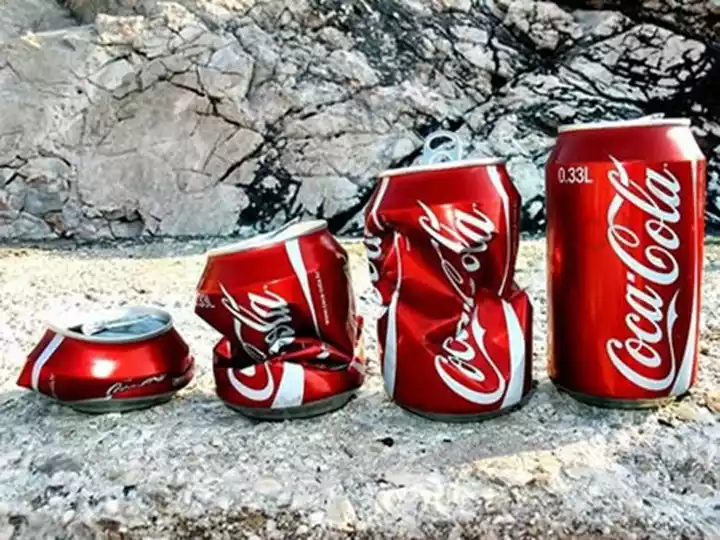
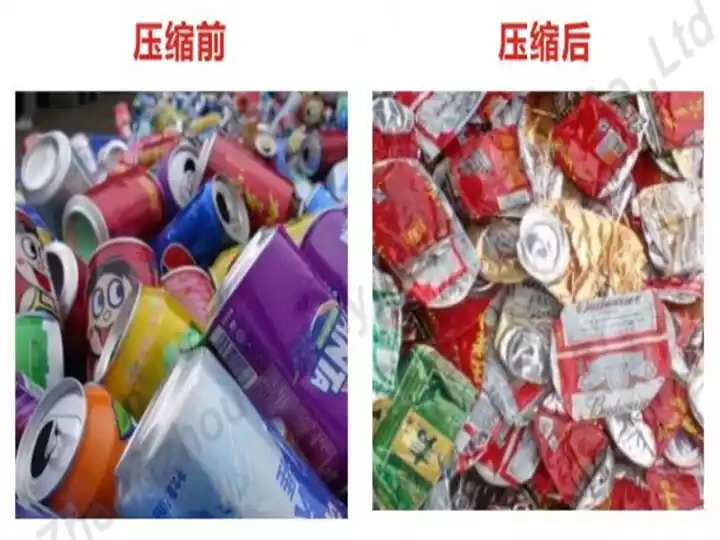
The result? Volume reduction of 80–90%. A pile of loose cans that would fill an entire truck bed becomes a neat stack of bales that fits in the corner of your warehouse. One aluminum can baler can process anywhere from 0.5 tons per hour (small models) to 50 tons per hour (large industrial models), depending on your needs.
Choose the Right Bale Shape and Size
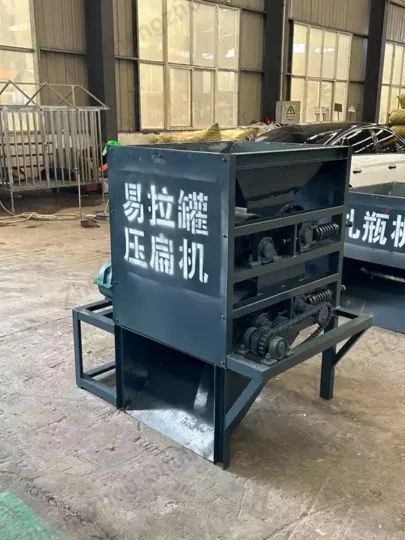
Different aluminum can baler models produce different bale shapes and sizes. The right choice depends on how you plan to store, transport, and sell the baled material:
- Square/cuboid bales (e.g., 250×250mm): The most common shape. Easy to stack on pallets, in trucks, and in smelter feed systems. Bale weight typically 25–65 kg — manageable by hand or forklift.
- Larger rectangular bales (e.g., 400×400mm or 500×500mm): Produced by higher-tonnage machines. Bale weight: 120–350 kg. These are ideal for high-volume scrapyards and export loads where forklift handling is standard.
- Cylindrical bales: Some models produce round bales. These roll out of the machine easily but are less stable for stacking than square bales.
- Octagonal bales: A specialty shape that offers a good balance between stacking stability and compression density.
For most recycling businesses and scrap processors, square bales in the 250×250mm to 400×400mm range offer the best combination of density, stackability, and handling convenience. The aluminum can baler can be configured to produce the exact bale size that your buyers or logistics partners prefer.
Match the Baler Capacity to Your Daily Can Volume
One of the most common questions buyers ask is: “How do I know which aluminum can baler is right for my volume?” The answer comes down to how many cans you process per day and how many bales you want to produce per shift.
Here is a practical guide based on typical model specifications:
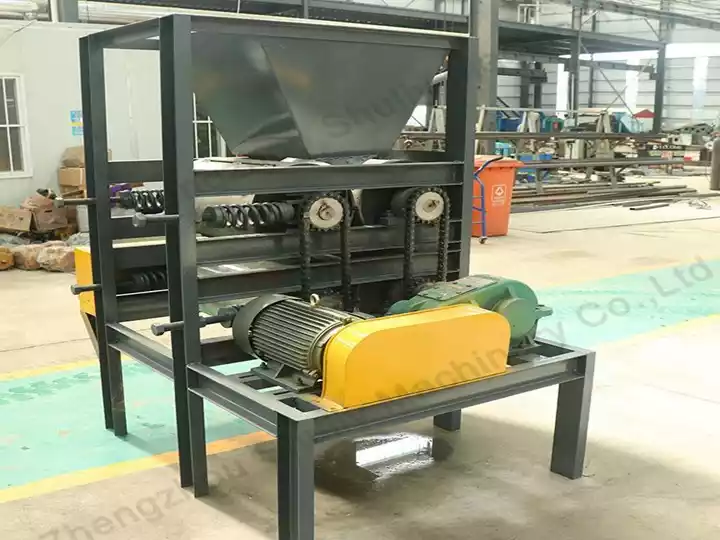
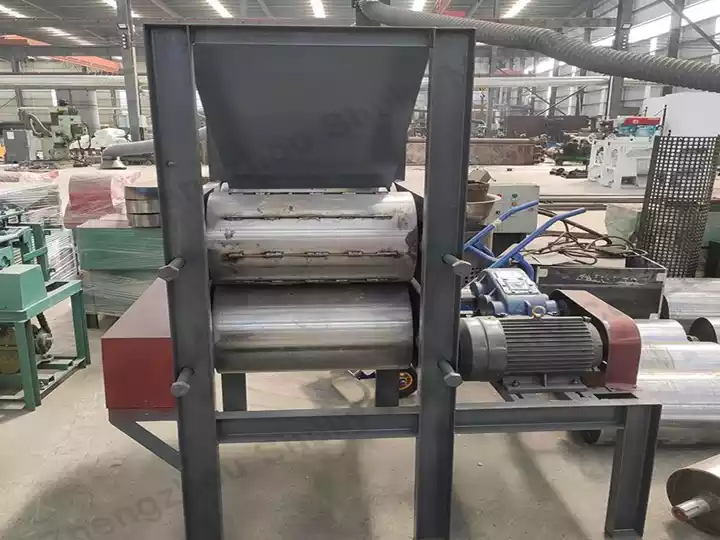
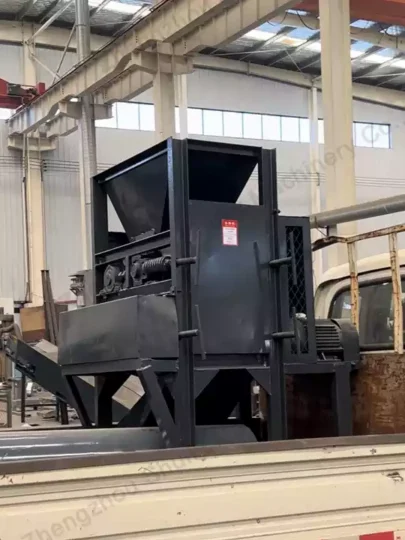
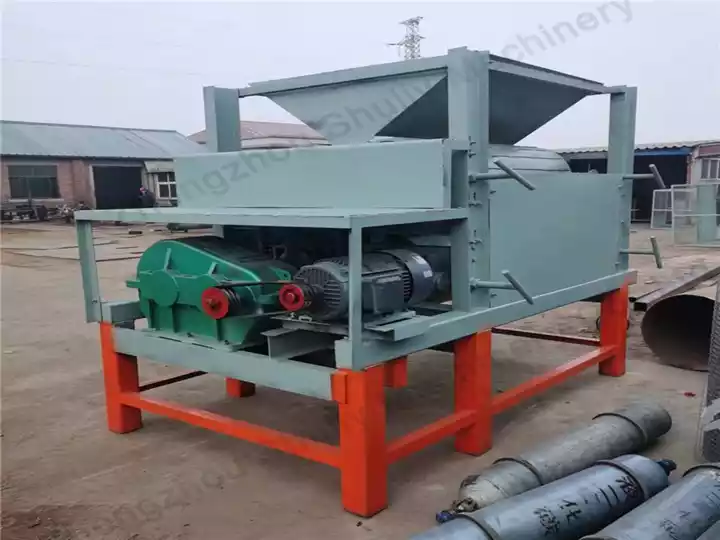
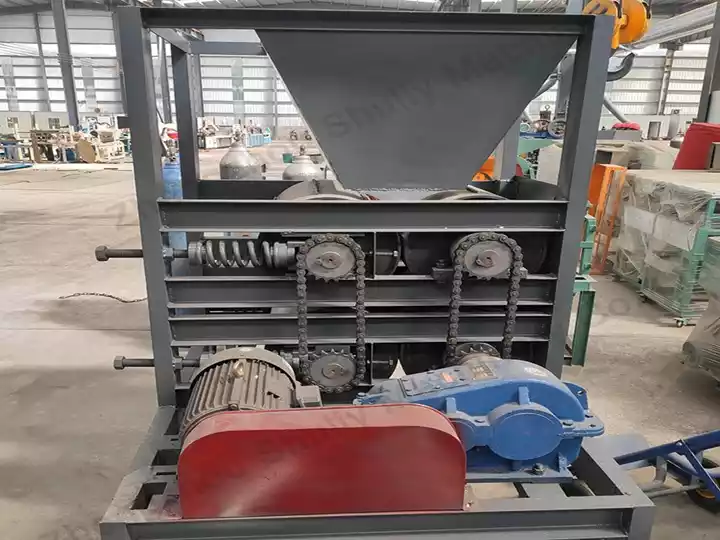
| 型号 | Dimensions (W*L*H mm) | Motor Power (kW) | Reducer Specification | Roller Diameter (mm) | Flake Thickness | 容量(kg/h) |
|---|---|---|---|---|---|---|
| 400 | 1040*1270*1500 | 3 | Type 200 Reducer | 299 | 1-2mm | <100 |
| 600 | 1080*1430*1600 | 4 | Type 200 Reducer | 299 | 1-2mm | <180 |
| 600 | 1280*1510*1850 | 7.5 | Type 250 Reducer | 406 | 1-2mm | <260 |
| 800 | 1750*1250*1900 | 7.5 | Type 250 Reducer | 406 | 1-2mm | <300 |
| 1000 | 2050*1300*2000 | 11 | Type 350 Reducer | 406 | 1-2mm | <500-700 |
| 1000 | 2300*1570*2200 | 15* | Type 500 Reducer | 508* | 1-2mm | <1100-1300 |
| 1200 | 2300*1450*2000 | 11 | Type 350 Reducer | 406 | 1-2mm | <700-900 |
| 1200 | 2695*1600*2250 | 15* | Type 500 Reducer | 560* | 1-2mm | <1800-2000 |
| 1500 | 3000*1560*3020 | 15* | Type 500 Reducer | 560* | 1-2mm | <2000-2600 |
Rule of thumb: Choose a model that lets you process your daily can volume in 4–6 hours of operation. This gives you buffer capacity for peak days and prevents the machine from running at maximum load all shift. An oversized aluminum can baler is better than an undersized one — running at 60% capacity extends machine life, while running at 100% constantly accelerates wear.
Calculate the Return on Investment
Investing in an 铝罐打包机 is not just a machinery purchase — it is a business decision that pays for itself through measurable cost savings and revenue increases. Here is how the math works for a medium-sized recycling operation processing 3 tons of loose cans per day:
Cost of NOT baling (loose cans):
- Transport: 3 tons of loose cans = roughly 60 m³ → requires 3 truckloads per day
- Storage: 60 m³ of warehouse space occupied permanently
- Scrap value: Loose mixed cans sell at lower per-ton price due to handling costs
After baling (aluminum can baler):
- Transport: 3 tons of baled cans = roughly 6 m³ → fits in 1 truckload
- Storage: 6 m³ — a 90% reduction in space needed
- Scrap value: Clean, dense, UBC bales sell at a premium per-ton price
- Labor: 1 operator manages the baler vs. 3–4 workers sorting and handling loose cans
Typical ROI: Most operations recover the cost of the aluminum can baler within 6–18 months through transport savings alone — before counting the increased scrap value and freed warehouse space. After that, every bale produced is pure profit improvement.
Ready to Reduce Your Waste Can Volume?
Whether you are drowning in loose cans at a recycling center, running a scrap yard that needs to maximize transport efficiency, or managing beverage distribution waste that is overflowing your storage area, an aluminum can baler is the most direct and profitable solution.
We manufacture aluminum can balers — from 63-ton entry-level models producing 25 kg bales to 400-ton industrial units producing 350+ kg bales. All machines feature hydraulic drive, PLC control, heavy welded frames, and no-foundation installation.
Contact us today for a free consultation and quotation. Send us the following details, and we will respond within 24 hours with a customized machine recommendation and price:
- Your daily or monthly can volume (in tons or number of cans)
- Your current handling method (loose, hand-flattened, or already using a baler)
- Your available storage and workshop space
- Your power supply (electric, 220V/380V, or need diesel option)
- Your preferred bale size (or let us recommend based on your logistics)
- Any special requirements (mobile unit, specific certification, automation level, etc.)
Reach out now and let our engineers help you choose the right aluminum can baler that turns your loose can problem into compact, profitable bales — day after day.