
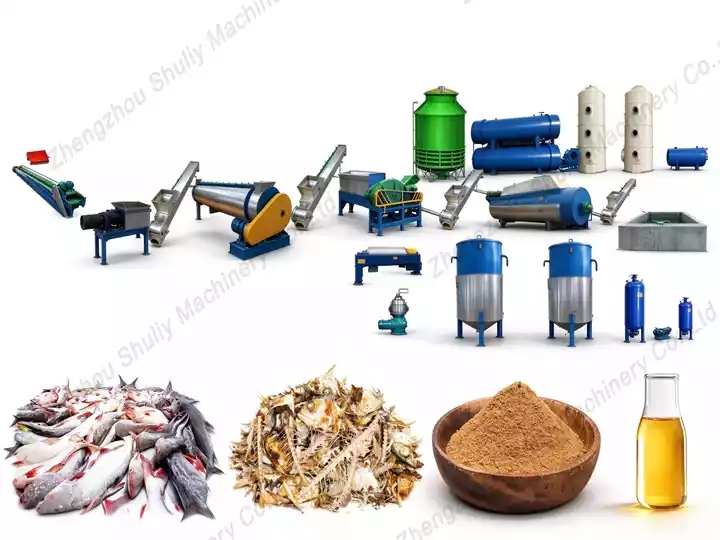
The Fish Meal Production Line is an integrated processing system designed to convert fish waste and aquatic by-products into valuable fish meal and fish oil. With a processing capacity ranging from 250 kg/h to 10 tons/h, this production line is suitable for seafood processing plants, aquaculture farms, and animal protein recycling businesses.
The complete line integrates crushing, cooking, pressing, drying, screening, grinding, and packaging. It can process various raw materials, including fresh fish, fish heads, bones, viscera, and shrimp by-products. The finished fish meal can achieve a protein content of over 60%, while the fish oil extraction rate is approximately 5%–8%, helping businesses improve resource utilization and generate additional value from aquatic waste.
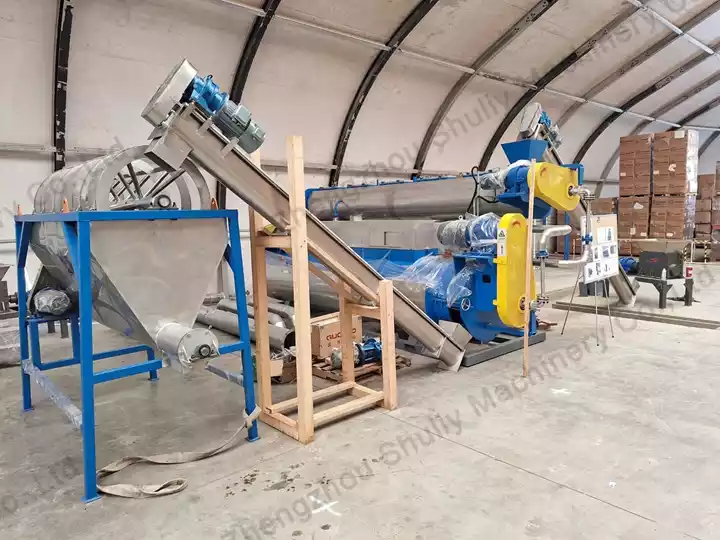
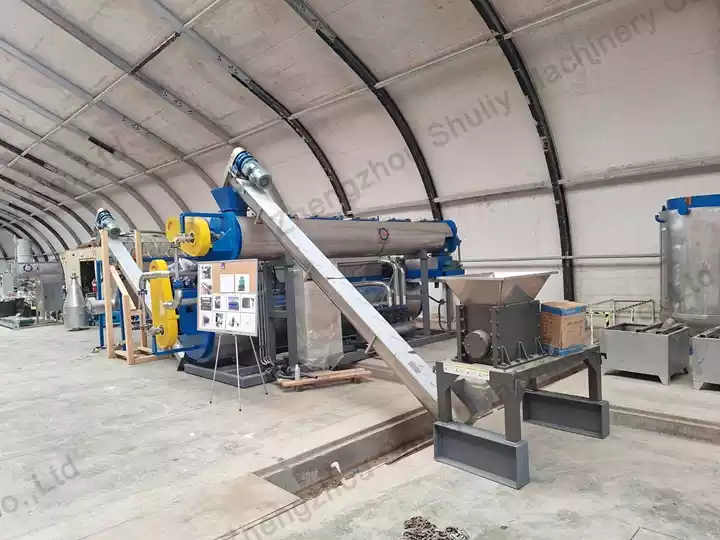
Fish Meal Machine Raw Materials and Final Products
The fish meal production line processes fish and other suitable aquatic materials into valuable fish meal and fish oil. It is designed to improve resource utilization and support seafood waste recycling for feed and animal protein processing industries.
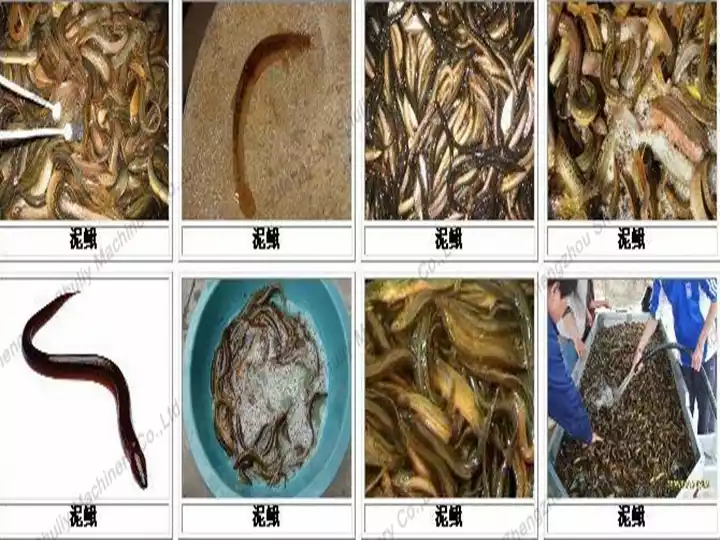
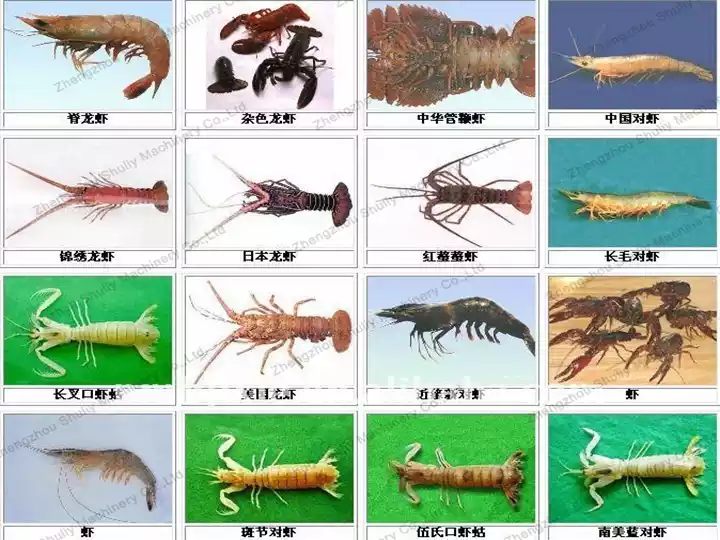
Suitable Raw Materials
Fresh Fish
Whole fish and fish unsuitable for direct food processing can be used as raw materials, depending on their condition and processing requirements.
Shrimp and Shrimp By-Products
Suitable shrimp residues from seafood processing can be processed for resource recovery.
Crab and Crab Processing Waste
Suitable crab-processing residues may be considered, subject to the equipment configuration and required final product.
Fish Heads, Bones, and Viscera
These by-products can be collected and processed to recover useful protein and oil fractions.
Final Products
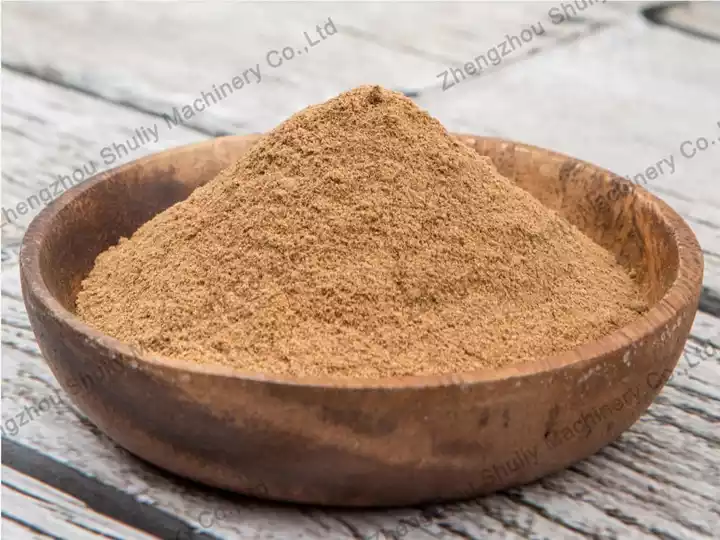
Fish Meal
Fish meal is a protein-rich material commonly used as an ingredient in aquaculture and animal feed formulations. The target protein content can exceed 60%, depending on raw material quality and processing conditions.
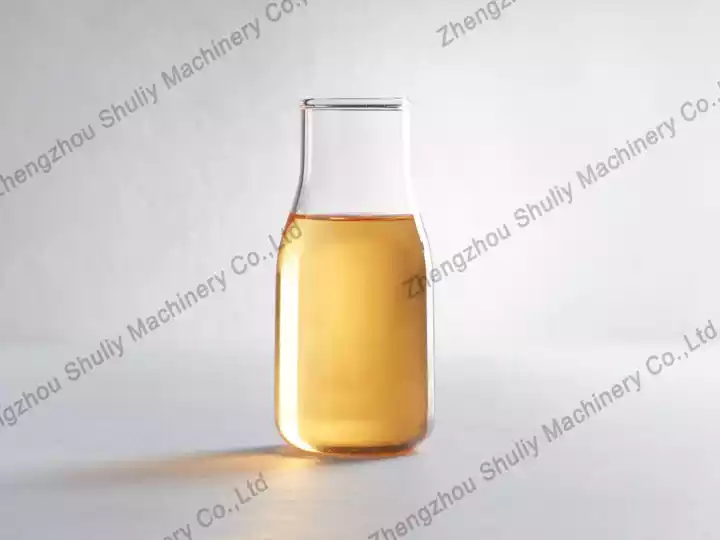
Fish Oil
Fish oil can be recovered from the liquid fraction during processing and used in suitable feed or industrial applications, depending on its quality and intended use.
Note: The suitable raw materials, final product quality, and recovery rates depend on the feedstock composition and production-line configuration. If you plan to process shrimp, crab, or mixed seafood waste, please provide raw material details so we can evaluate the equipment accordingly.
Main Equipment in the Fish Meal Production Line
A complete fish meal production line consists of several interconnected machines. The configuration can be selected according to raw material characteristics, required capacity, and the desired finished product.
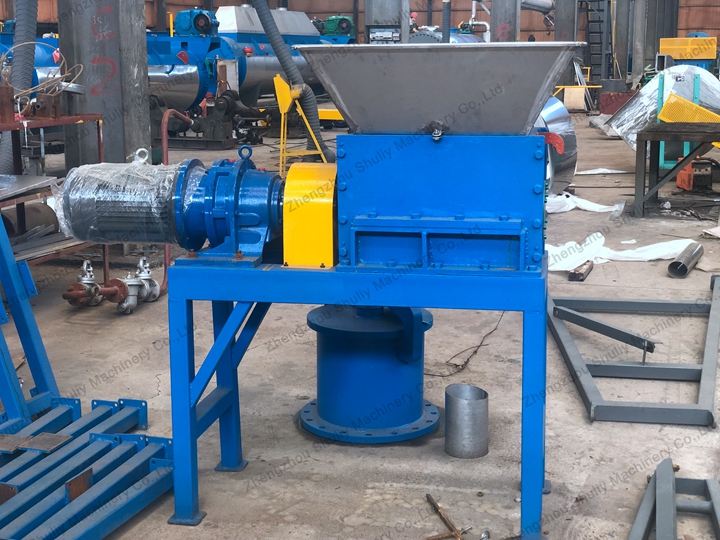
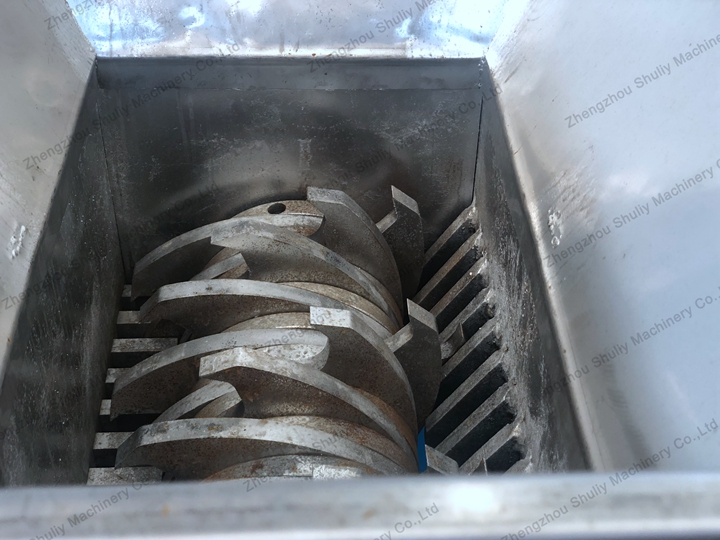
Fish Crusher
The crusher machine reduces fish and aquatic by-products into smaller pieces for more efficient downstream processing.
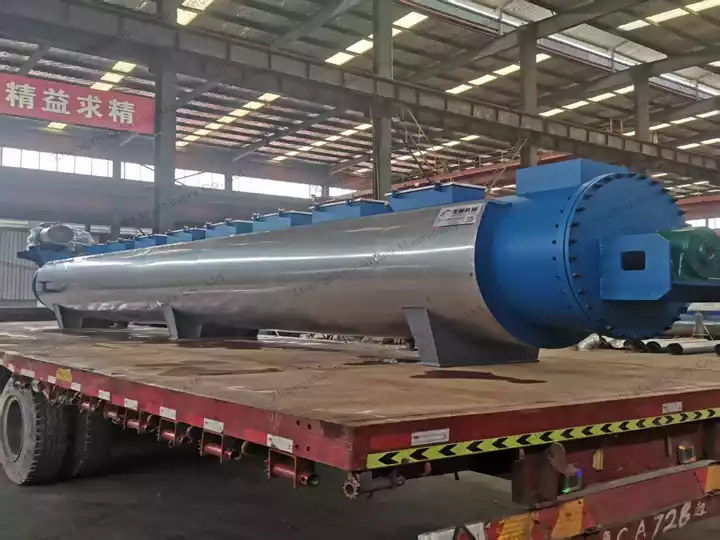
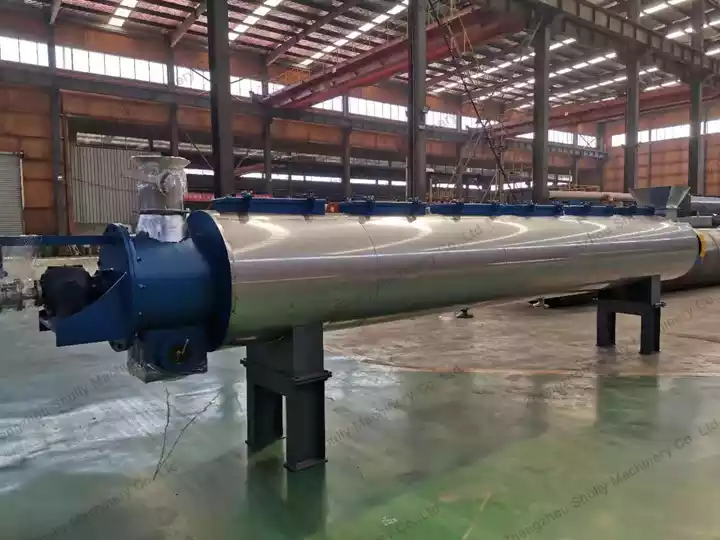
Cooking Machine
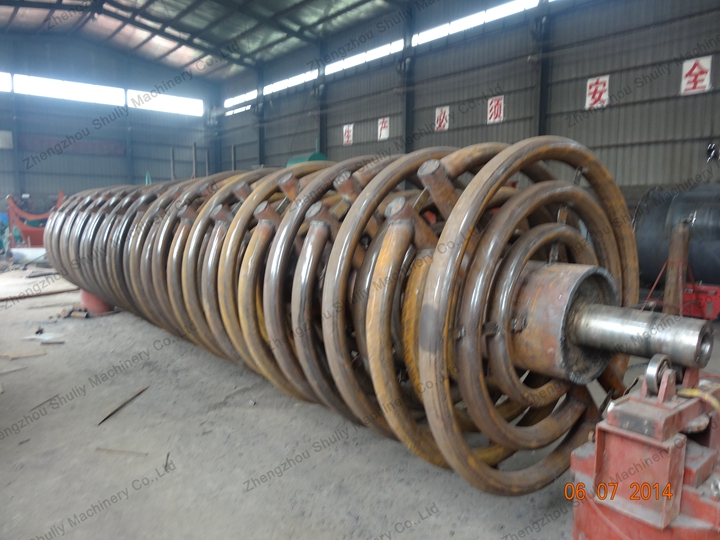
Applies heat treatment to the raw materials, preparing them for pressing and oil recovery.
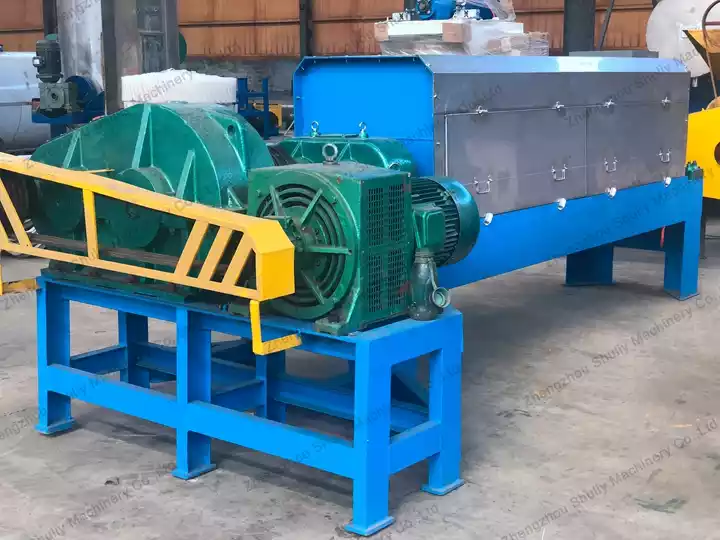
Press Machine
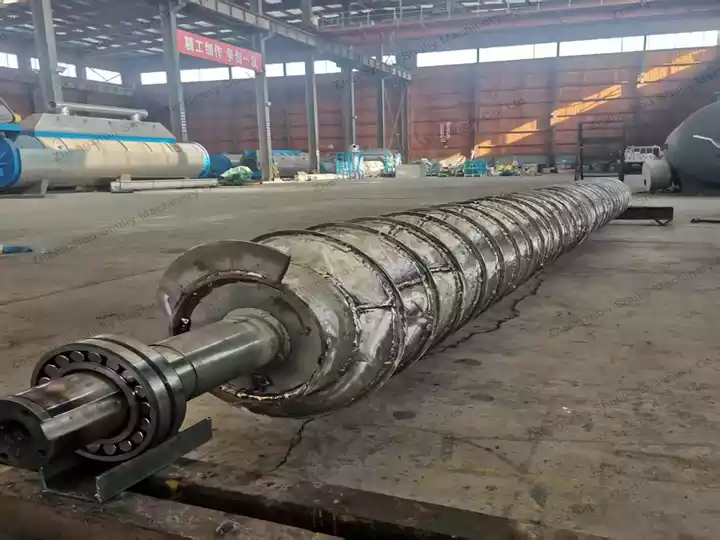
Separates cooked fish solids from the liquid fraction to support fish meal production and fish oil recovery.
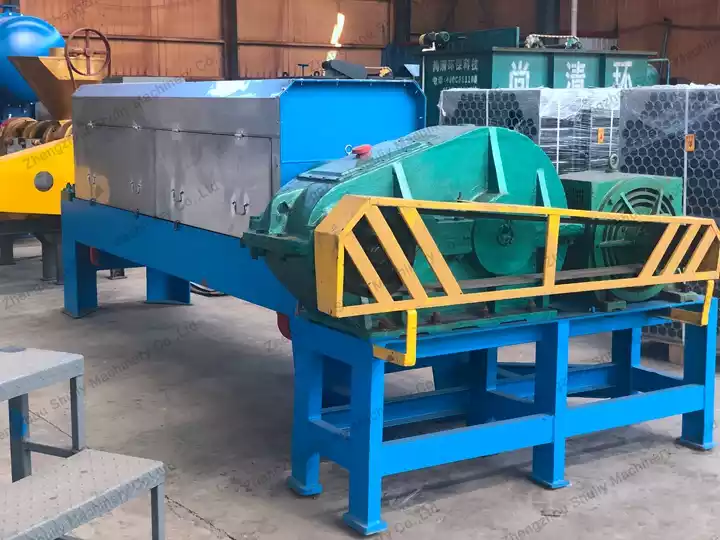
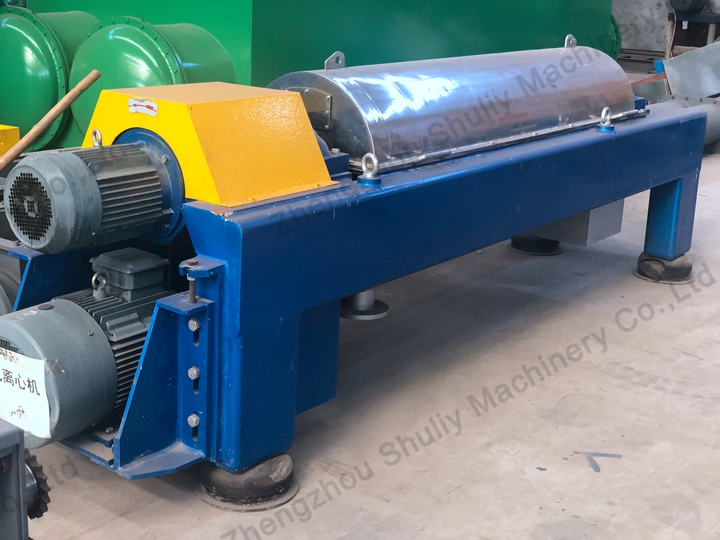
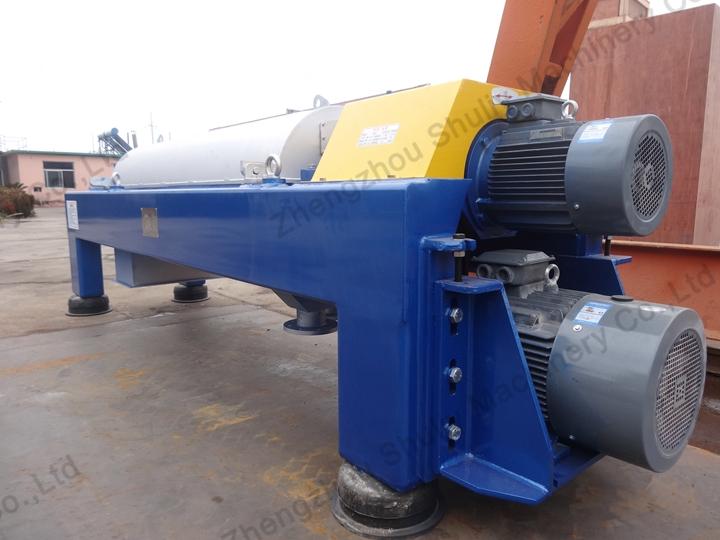
Solid-Liquid Separation & Oil Extraction
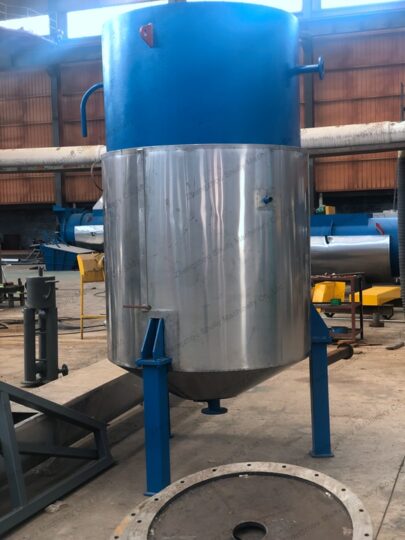
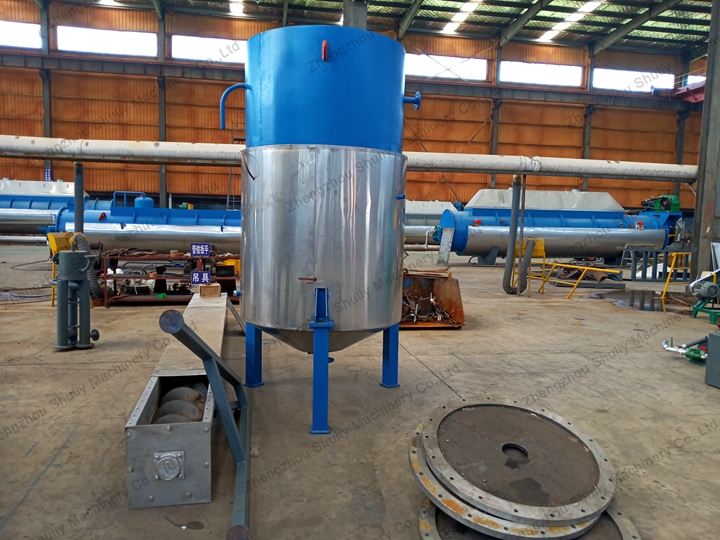
The liquid phase material from the pressing stage is fed into a centrifuge, where high-speed rotation separates the crude fish oil from the stickwater and sludge. The crude fish oil is temporarily held in a buffer tank before being transferred to a storage tank, while the solid press cake proceeds to the drying stage.
Drying Machine
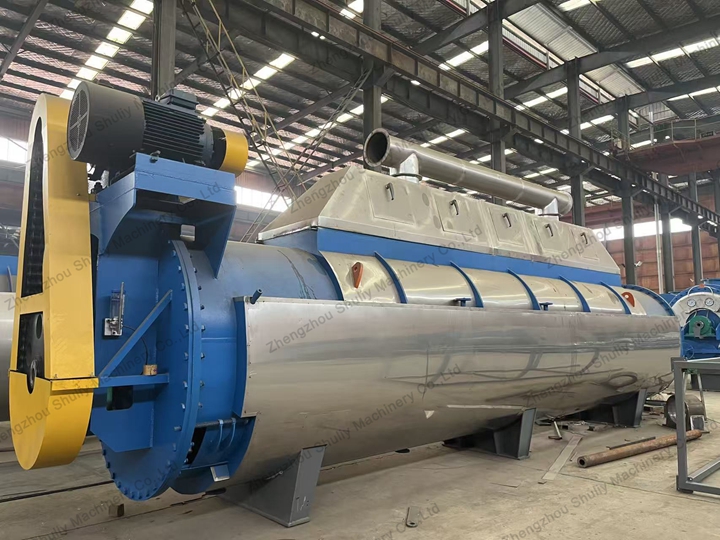
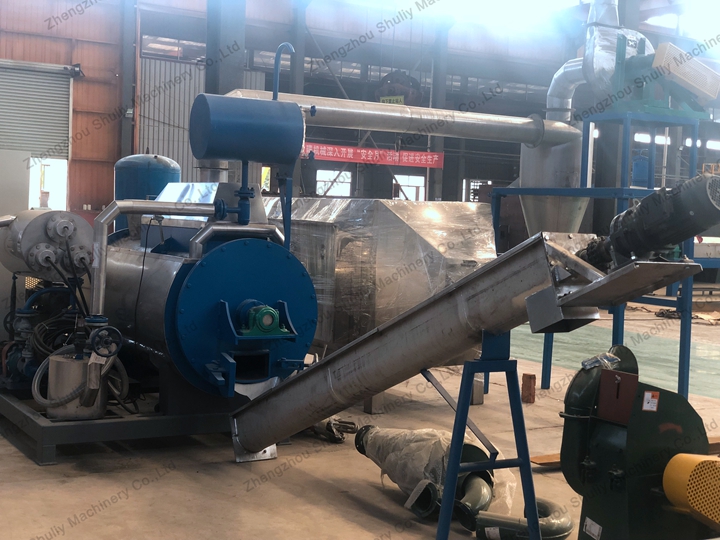
Removes moisture from the pressed solids to improve product stability and facilitate storage.
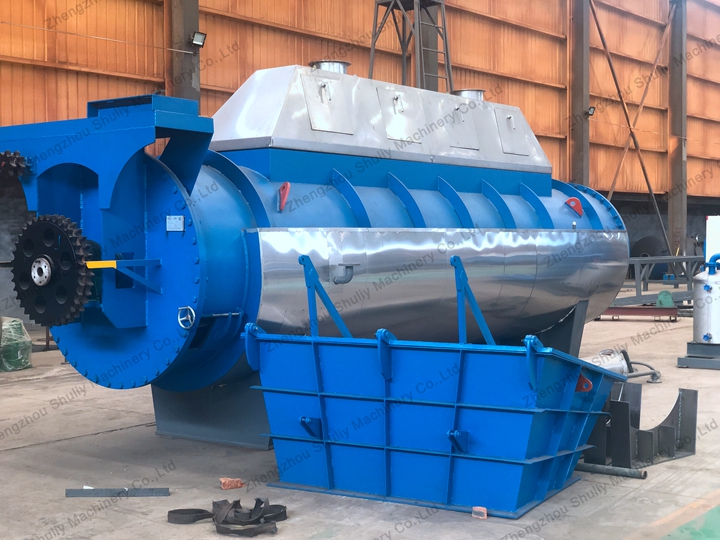
Centrifugal Separator
Can be incorporated into the liquid-processing section to help separate oil, water, and other components.
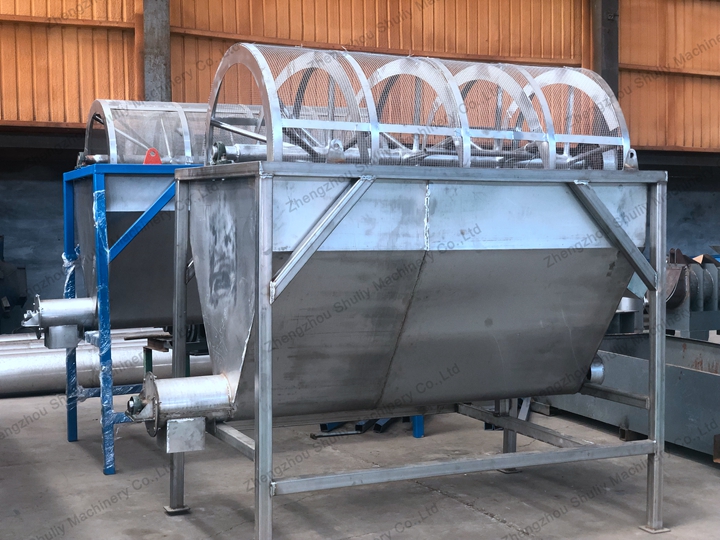
Grinding and Screening Equipment
Refines the dried material and helps achieve the required particle size before packaging.
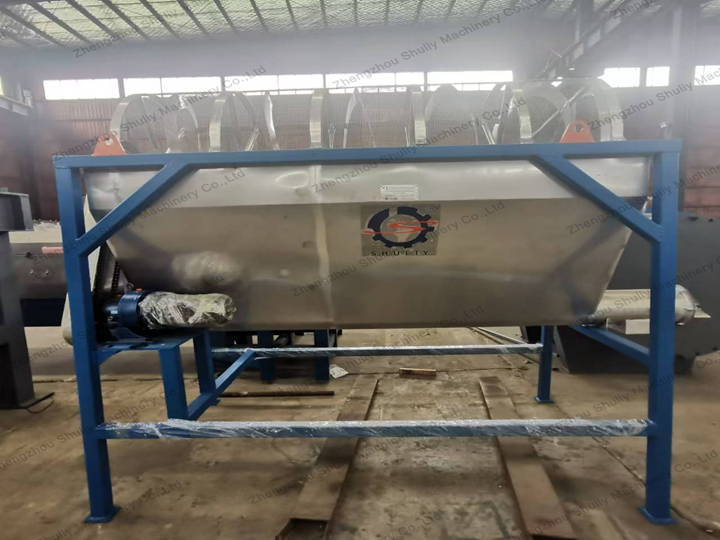
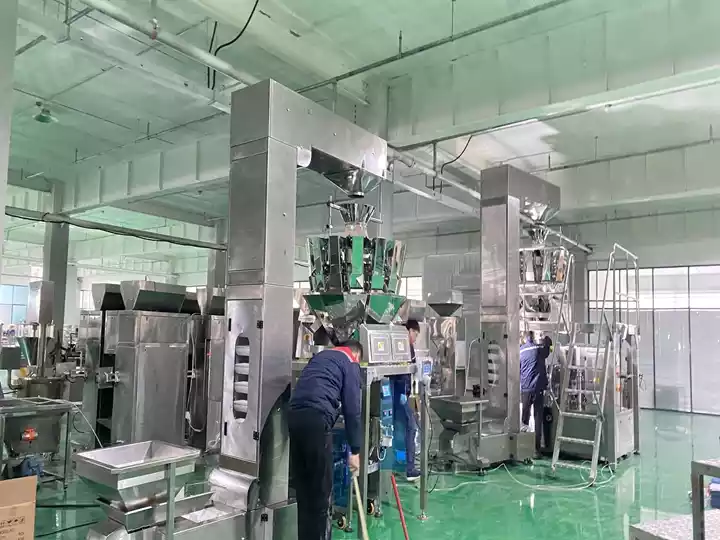
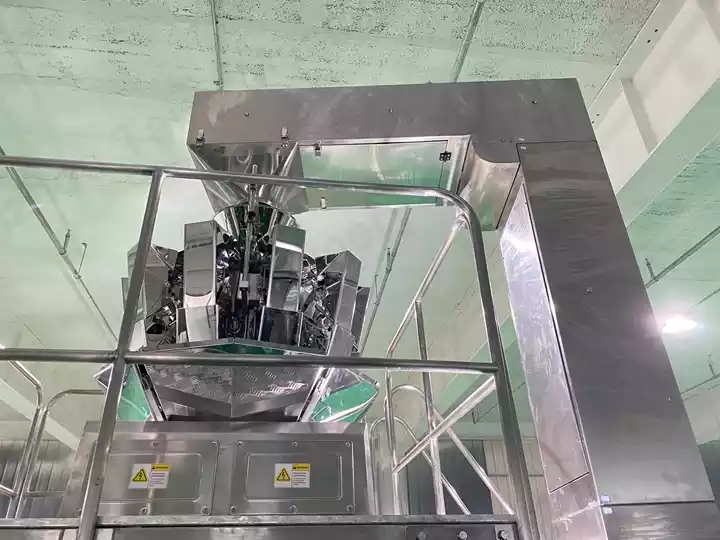
Packaging Machine
Weighs and packs the finished fish meal into bags for convenient storage and distribution.
Key Features of the Fish Meal Processing Machine
- Flexible Processing Capacity
The production line covers capacities from 250 kg/h to 10 tons/h, with configurations available for different processing scales.
- Efficient Utilization of Aquatic By-Products
Fish heads, bones, viscera, and shrimp-processing residues can be converted into useful protein-rich meal and recoverable fish oil.
- Integrated Processing
Crushing, cooking, pressing, drying, grinding, screening, and packaging are combined into one coordinated processing system, reducing the need for separate manual operations.
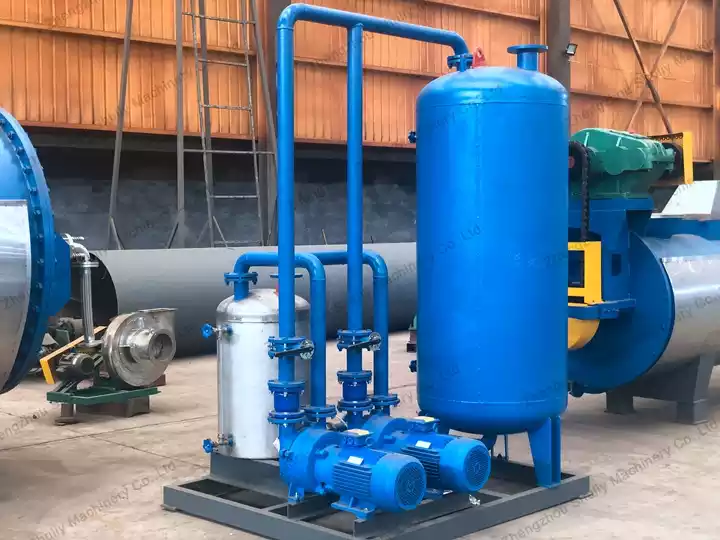
- Fish Oil Recovery
The pressing and liquid-separation stages allow fish oil to be recovered as a secondary product, depending on the raw material and process configuration.
- Configurable Production System
Equipment selection and processing capacity can match the raw material type, daily throughput, and finished-product requirements.
Applications of the Fish Meal Manufacturing Equipment
The fish meal production line is suitable for businesses that process aquatic raw materials and want to turn by-products into commercially useful products.
Seafood Processing Plants: Process fish heads, bones, viscera, and trimming waste generated during fish processing.
Aquaculture Businesses: Utilize suitable aquatic by-products to produce fish meal for commercial use.
Fish Processing and Rendering Plants: Recover protein-rich solids and fish oil from available raw materials.
Animal Feed Ingredient Manufacturers: Produce fish meal that can be used as a protein ingredient in feed formulations, subject to applicable quality and regulatory requirements.
Shrimp and Seafood Processing Enterprises: Process suitable shrimp residues and other aquatic processing by-products.
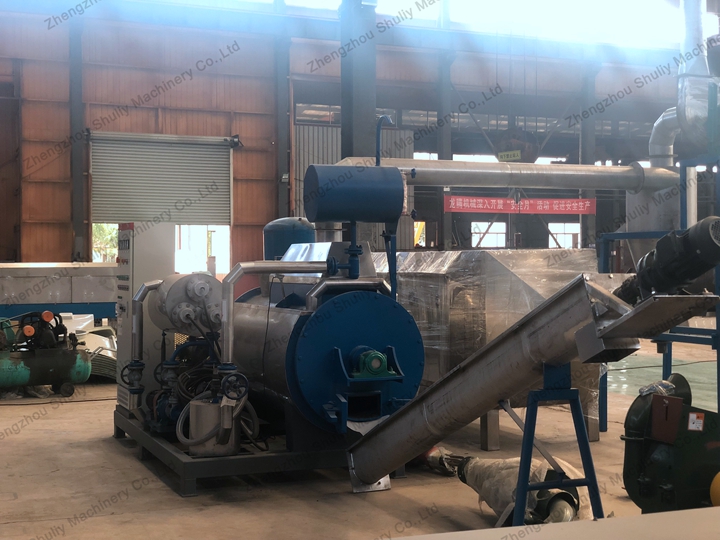
How to Choose the Right Fish Meal Production Line?
Before selecting a fish meal production line, consider these key factors:
Raw Material Type: Fresh whole fish, fish heads, bones, viscera, and shrimp residues may require different processing configurations.
Required Capacity: Determine the hourly processing volume and expected daily output before selecting equipment.
Fish Oil Recovery: If fish oil is an important secondary product, ensure the line includes suitable pressing and liquid-separation equipment.
Finished Product Quality: Protein content, moisture level, particle size, and storage requirements influence the cooking, drying, and grinding stages.
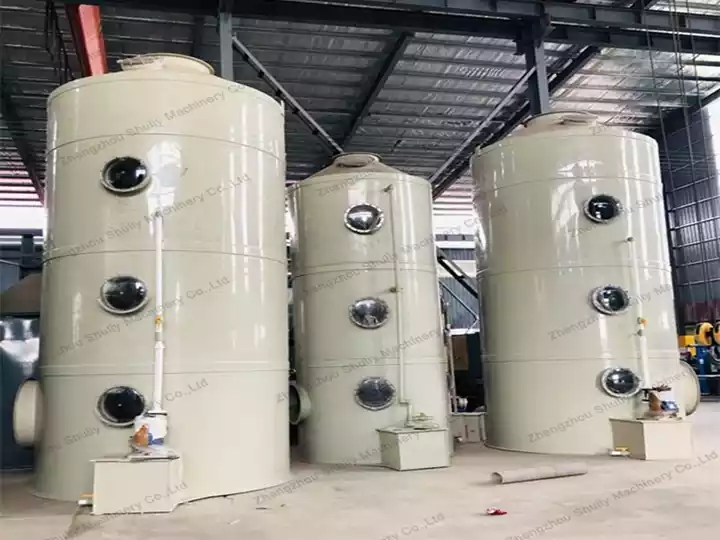
Available Space and Utilities: Factory layout, energy supply, water handling, and exhaust treatment should be considered during system design.
Providing information about your raw materials and target capacity helps us recommend a suitable configuration for your project.
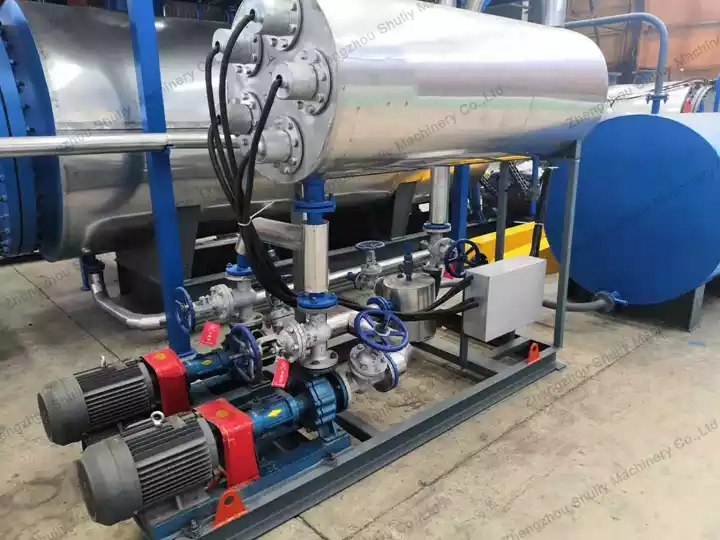
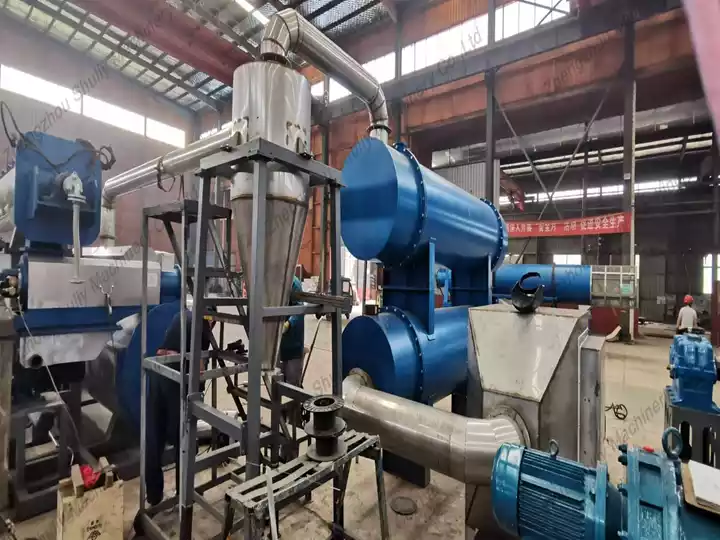
Contact Us for a Fish Meal Production Line
Are you looking to process fish waste into valuable fish meal and recover fish oil from aquatic by-products?
Our Fish Meal Production Line offers an integrated solution for crushing, cooking, pressing, drying, grinding, screening, and packaging, with processing capacities ranging from 250 kg/h to 10 tons/h.
Contact us to discuss your raw materials, target output, and production requirements. We can help you select a suitable processing configuration and provide detailed equipment specifications, a quotation, and a production-line proposal for your business.