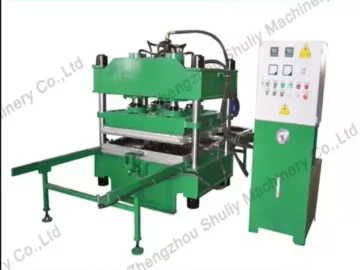
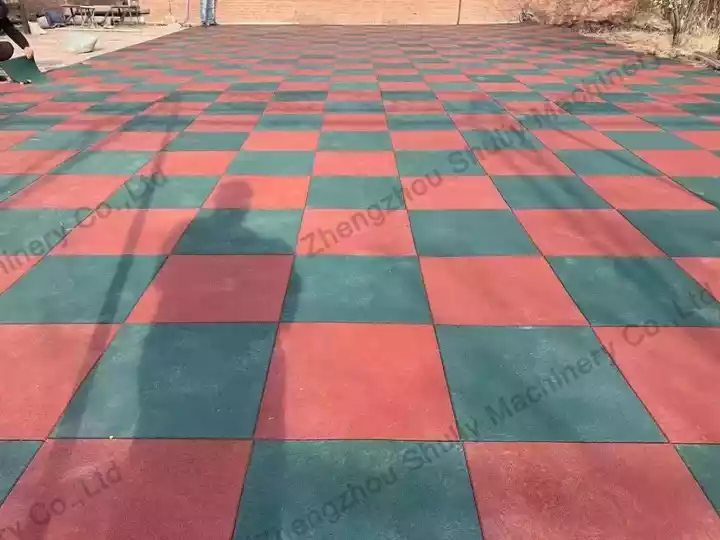
Waste tires are difficult to dispose of because they are bulky, durable, and not easily degraded. However, their rubber material can be recovered and turned into valuable products such as rubber tiles, gym flooring, playground surfaces, and industrial mats.
For recycling businesses, converting waste tires into rubber flooring creates a practical way to add value to recovered rubber. A rubber flooring molding machine plays an important role in turning prepared rubber material into finished flooring products.
Collect and Process Waste Tires
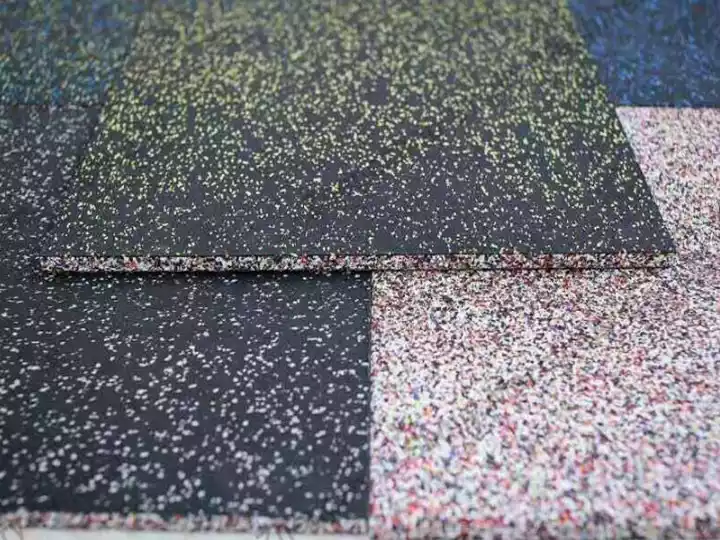
The first step is to collect used tires and remove unwanted materials such as rims and other non-rubber components. The tires are then processed through shredding and grinding equipment to produce recycled rubber particles.
The particle size can be adjusted according to the requirements of the final flooring product. Consistent rubber particles also make subsequent mixing and molding easier.
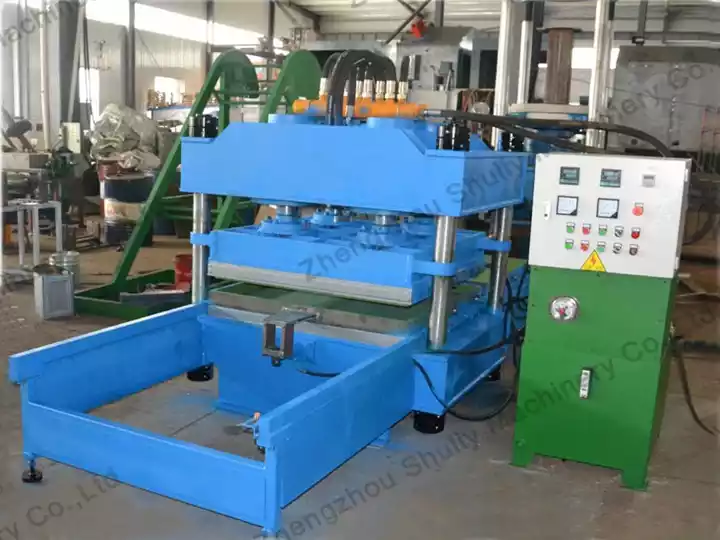
Mix the Rubber with Binder
Recycled rubber particles are mixed with a suitable binder and other additives according to the flooring formula. The mixing ratio can affect the finished product’s strength, flexibility, surface appearance, and density.
Uniform mixing is important because poorly distributed binder can result in inconsistent flooring quality after molding.
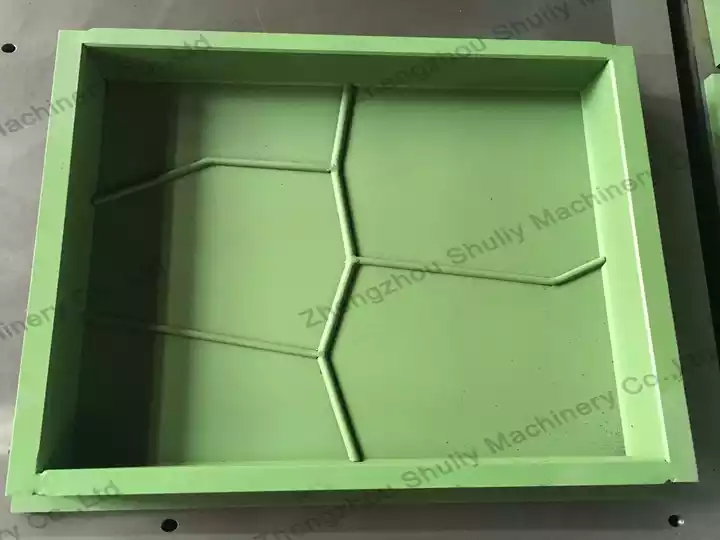
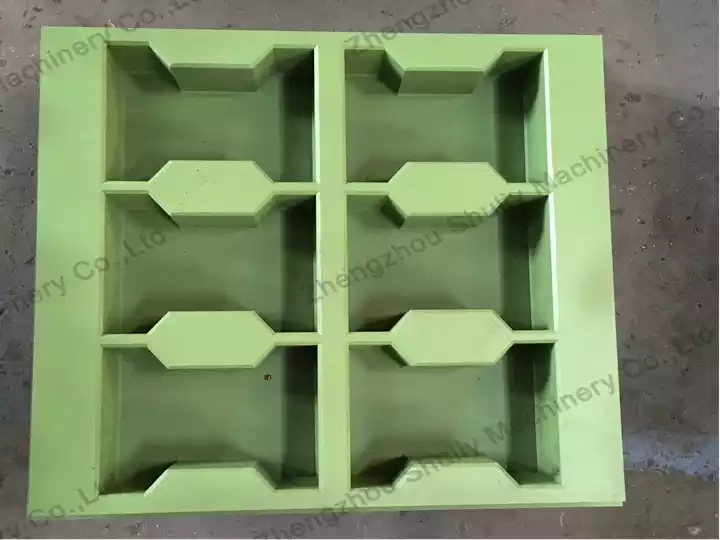
Load the Material into the Mold
The prepared rubber mixture is evenly distributed into the flooring mold. The mold determines the final dimensions and shape of the rubber flooring.
Different molds can be used to produce rubber tiles, mats, interlocking flooring, and other designs. This gives manufacturers flexibility to develop products for gyms, playgrounds, sports facilities, and other applications.
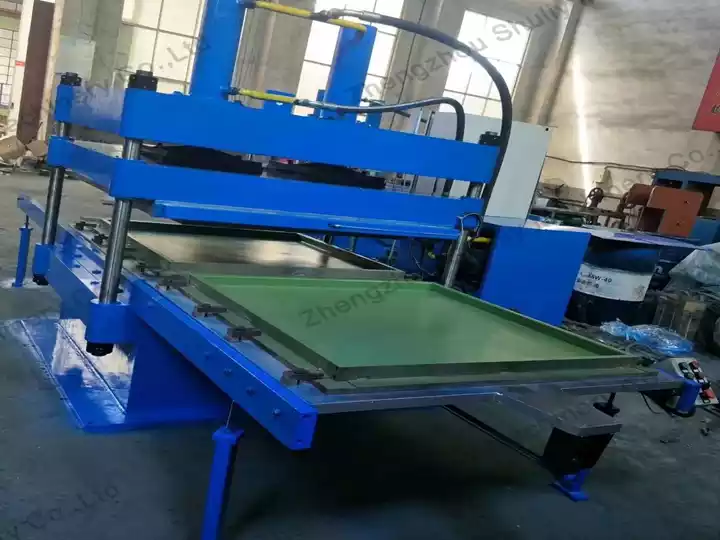
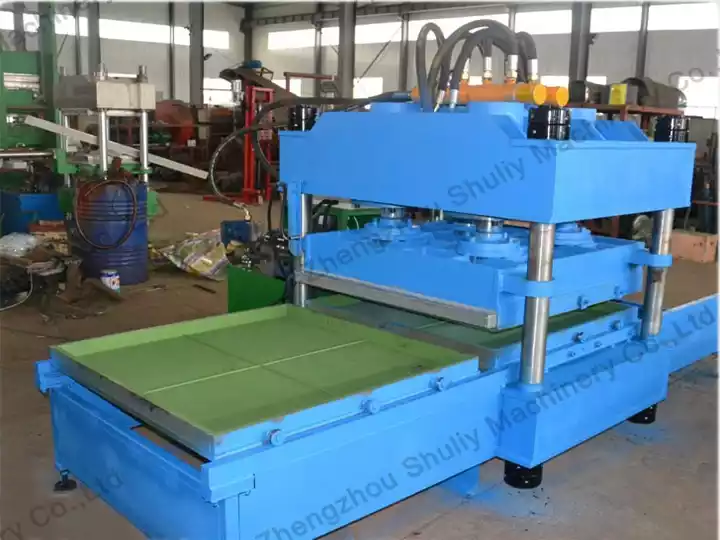
Press and Heat the Rubber Material
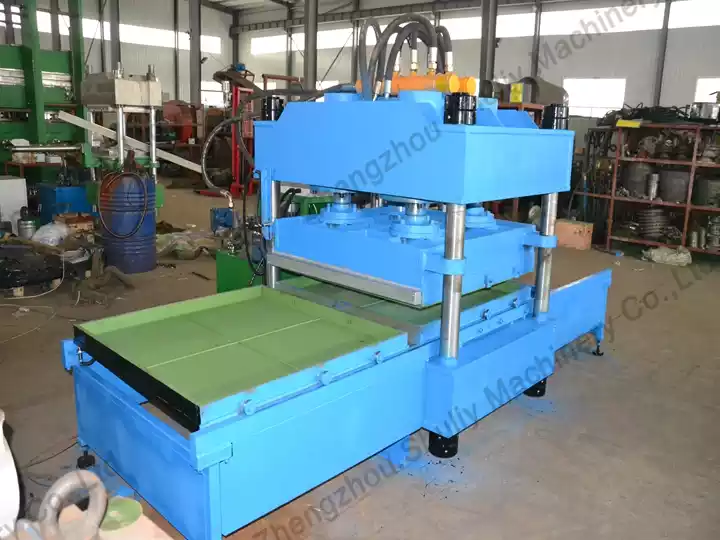
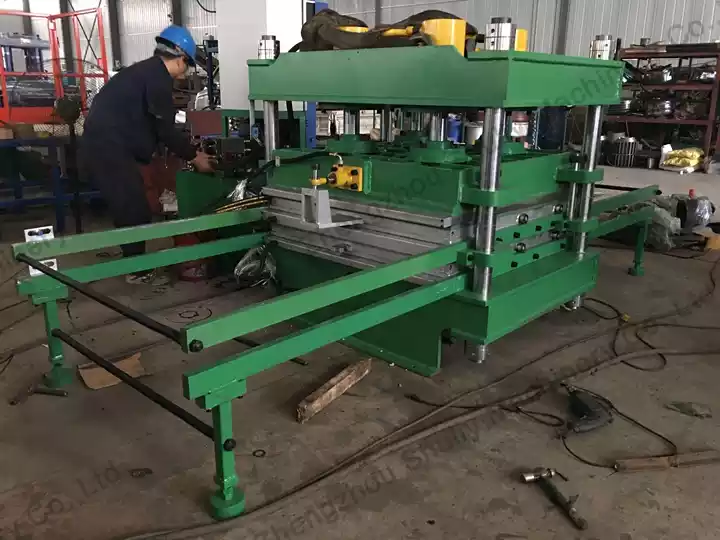
The key forming stage is completed by a rubber flooring molding machine. The machine applies controlled pressure and heat to the rubber mixture, allowing it to form into a dense and stable flooring product.
Compared with relying entirely on manual pressing, mechanical molding provides more consistent pressure and helps manufacturers produce flooring with more uniform thickness and dimensions.
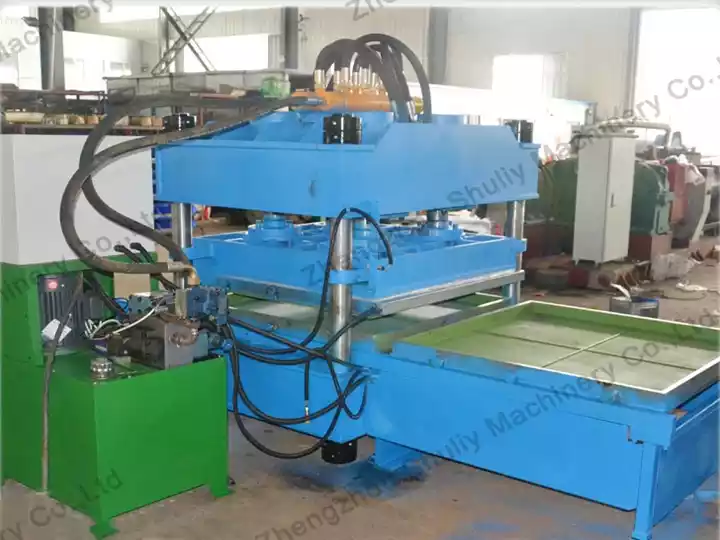
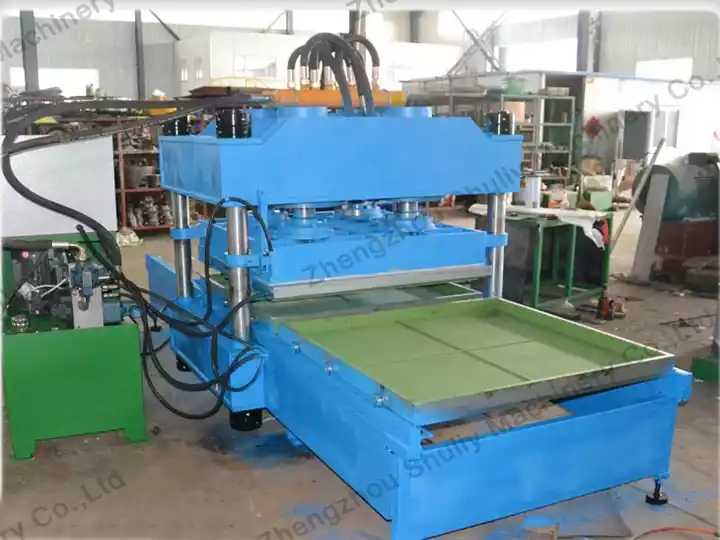
Remove and Finish the Rubber Flooring
After the molding cycle is completed, the finished rubber flooring is removed from the mold and allowed to cool. Depending on the product design, additional trimming or surface finishing may be required.
The finished products can then be inspected, stacked, packaged, and prepared for sale.
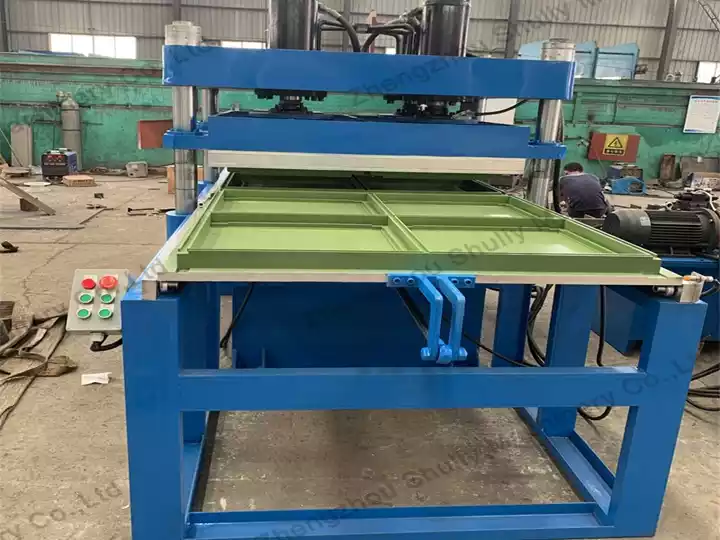
Turn Tire Recycling into a Flooring Business
The process of converting waste tires into rubber flooring connects waste tire recycling with value-added manufacturing. Instead of selling recovered rubber as a low-value material, recycling businesses can use it to manufacture finished flooring products.
A suitable rubber flooring molding machine should match your rubber particle size, flooring dimensions, production capacity, heating method, and mold requirements. If you are planning to start a recycled rubber flooring business, send us your flooring size, target output, and product design. We can recommend a suitable machine and customized mold for your production.