The volume of global electronic waste is exploding. Every year, millions of tons of “White Goods”—refrigerators, washing machines, air conditioners, and microwaves—reach the end of their life.
For recycling businesses, these items present a huge challenge. They are bulky, hollow, and made of complex mixed materials. Dismantling them by hand is slow, dangerous, and costly.
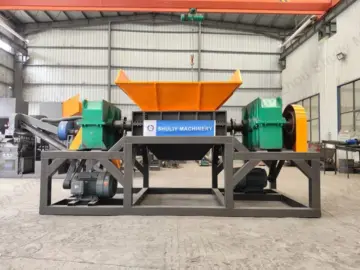
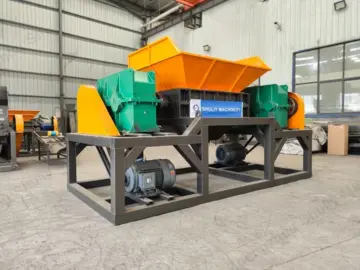
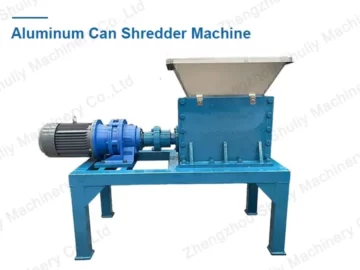
This is where the Metal Shredder becomes the most valuable asset in your plant. It transforms cumbersome waste into manageable, profitable resources. In this article, we explore the critical role of metal shredders in modern E-waste recycling.
Volume Reduction: Slashing Logistics Costs
The highest cost in scrap recycling is often transportation, not processing.
The Problem: A truck might only fit 20 whole refrigerators because they are mostly “air.” You are paying to ship space.
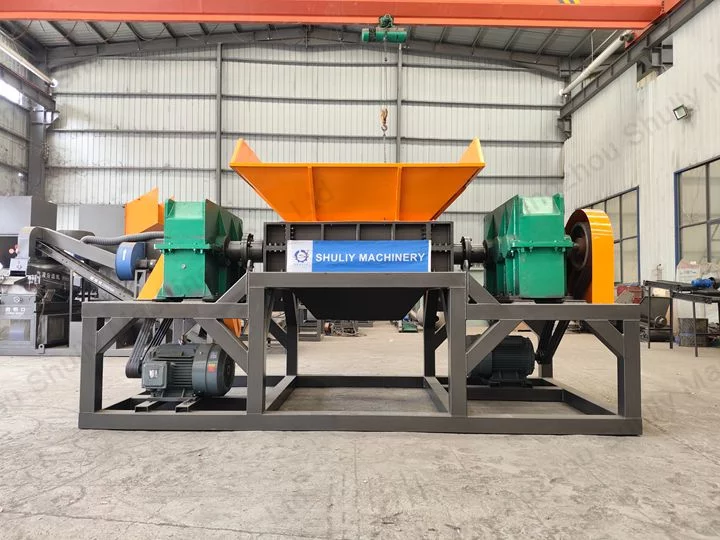
The Shredder Solution: By feeding these appliances into a Metal Shredder for E-waste, they are cut into strips or chunks.
The Value: This process reduces the volume by up to 70%. You can load three times more material into a truck or container, instantly increasing your profit margin per shipment.
Material “Liberation” for Efficient Sorting
You cannot sell a washing machine; you sell the steel, aluminum, copper, and plastic inside it. But these materials are bolted, glued, and welded together.
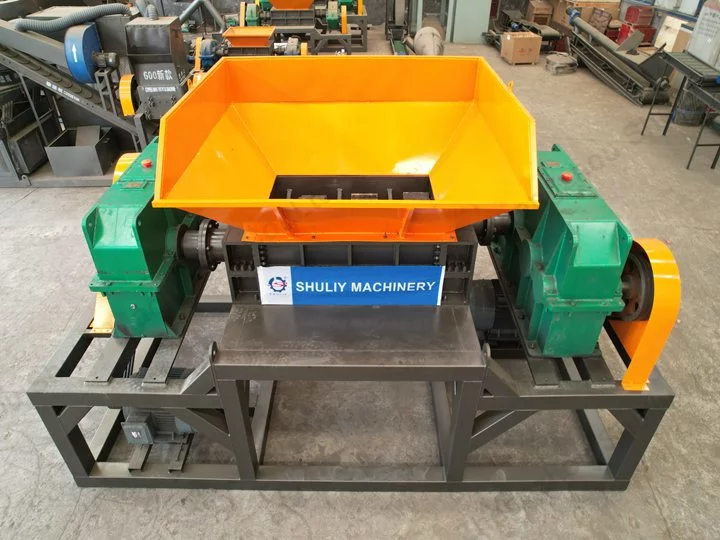
The Role of Shredding: The high-torque shearing action of the Dual-shaft shredder breaks the physical connections between different materials. It “liberates” the steel from the plastic and the copper from the motor casing.
Downstream Efficiency: Once shredded, the material can be easily processed by magnetic separators and Eddy Current separators. Without shredding, automated sorting is impossible.
Safety and Speed vs. Manual Labor
Manual dismantling is the traditional way, but it is dying out for a reason.
- Safety Hazards: Old appliances contain glass, sharp metal edges, and heavy components that cause injuries.
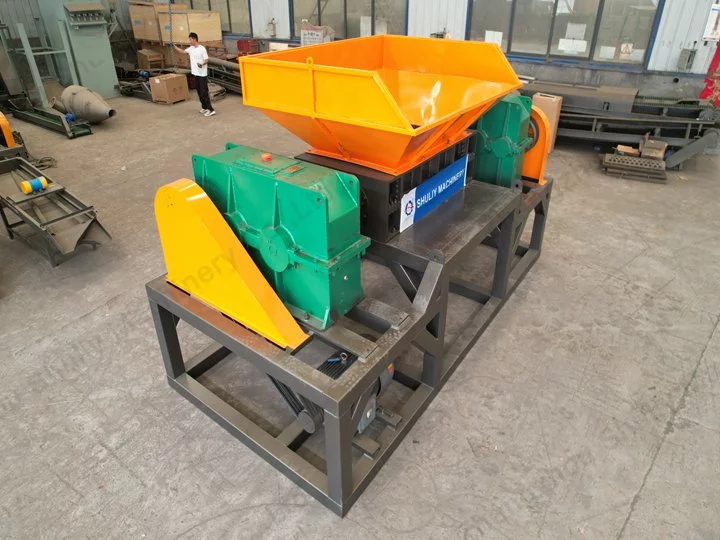
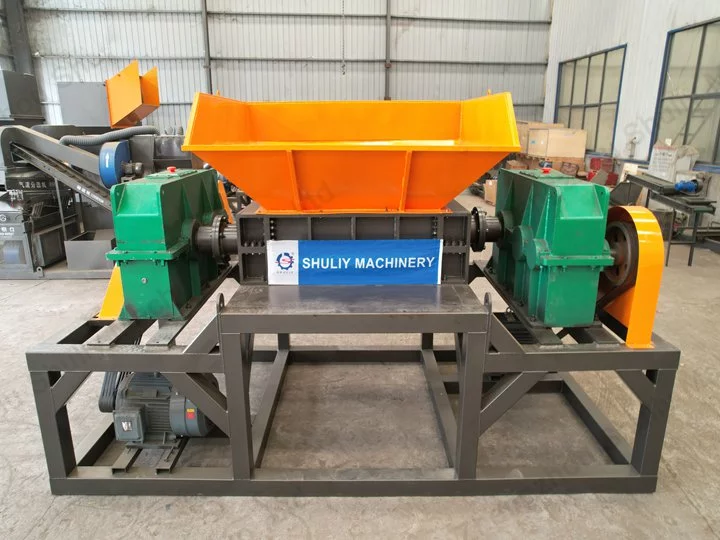
- Speed: It might take a worker 20 minutes to fully dismantle a fridge. A Waste appliance recycling machine can chew through one in 30 seconds.
- Scalability: Automation allows your factory to process hundreds of tons per day, scaling your business to levels manual labor can never reach.
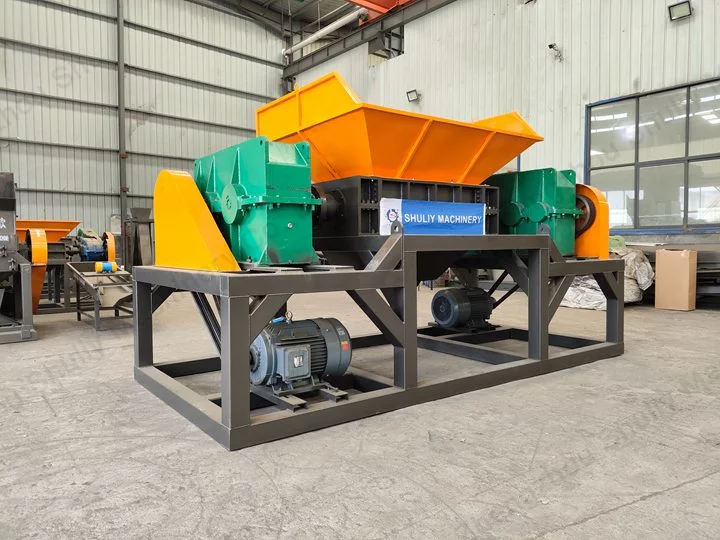
How Does It Work?
Unlike a car crusher that just flattens metal, a shredder cuts it.
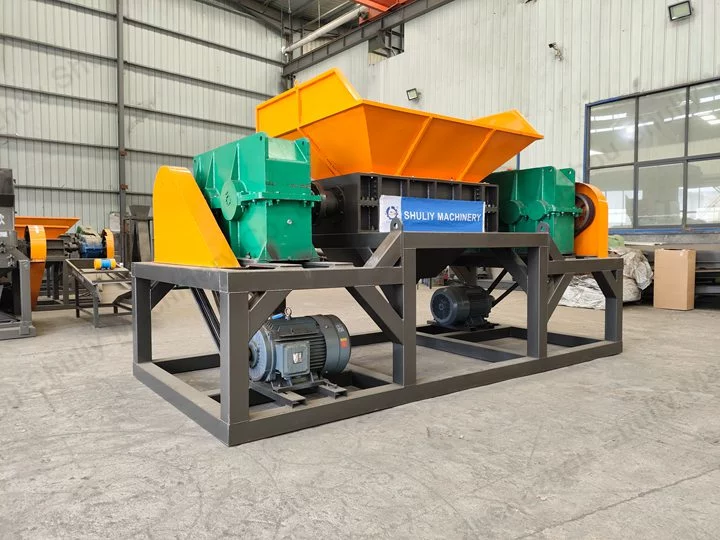
- The Mechanism: The machine uses two shafts rotating at slow speeds but generating massive torque.
- The Blades: Interlocking alloy steel blades shear the metal casing, plastic, and circuit boards.
Anti-Jamming: Because appliances vary in hardness, our machines feature an Automatic Reverse System. If the material is too hard, the rotor reverses to reposition the object and tries again, preventing damage to the motor.
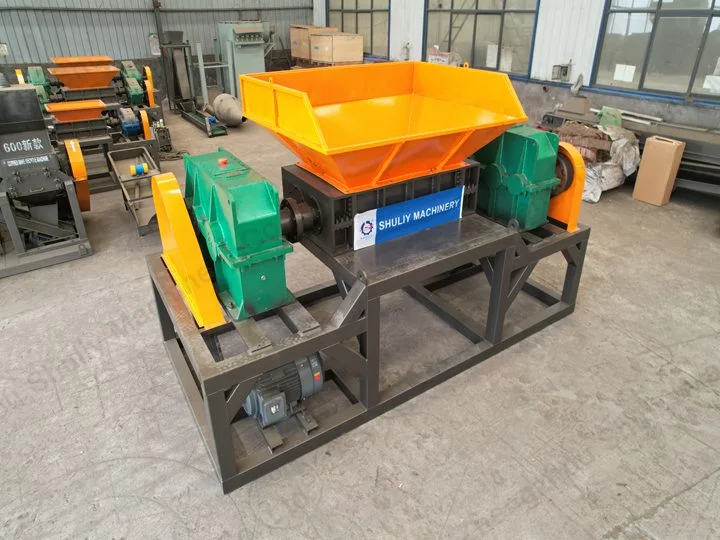
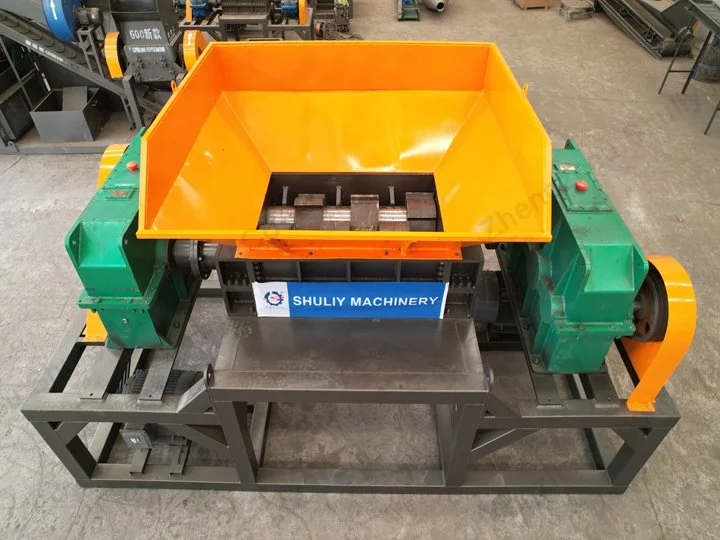
Why Choose Shuliy Metal Shredder?
Processing white goods requires a tough metal shredder machine. Cheap shredders will break when they hit a compressor or a thick motor shaft.
- Heavy-Duty Blades: We use H13 or SKD-11 Alloy Steel for our blades, ensuring they stay sharp even when cutting through steel shells and frames.
- Robust Gearbox: Our drive system is engineered to handle the shock loads typical of scrap metal crushing.
- Custom Chamber Size: Whether you recycle small microwaves or large double-door fridges, we customize the shredding chamber size to fit your feedstock.
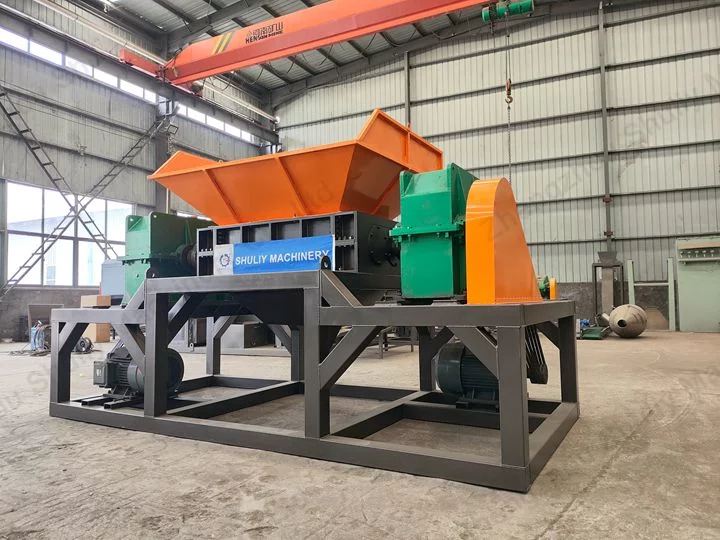
Conclusion
In the modern recycling economy, the Metal Shredder is not just a machine; it is the gateway to profit. It turns bulky, low-value waste appliances into dense, sorted, and high-value commodities.
Ready to automate your E-waste plant? Stop dismantling by hand. Upgrade to industrial shredding power.