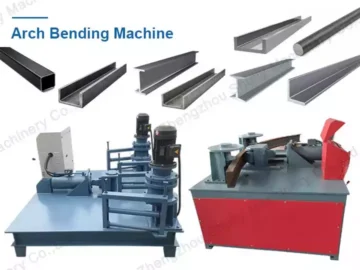
In tunnel construction and underground engineering, steel arches must match the required dimensions and curvature to fit together properly during installation. Even small bending deviations can lead to time-consuming adjustments on-site and inconsistent support structures.
Using a suitable steel arch bending machine and controlling key processing factors can help improve bending accuracy and reduce material waste.
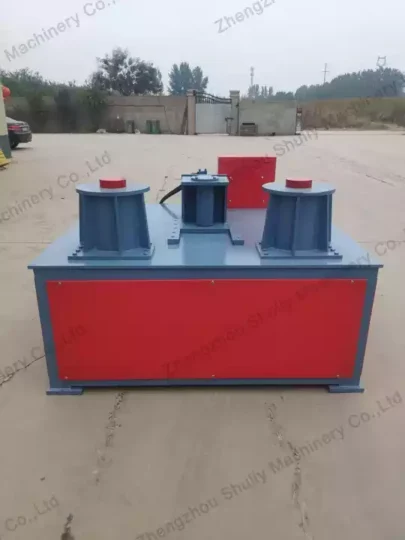
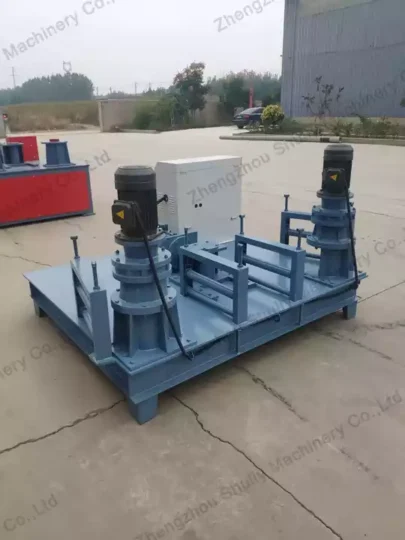
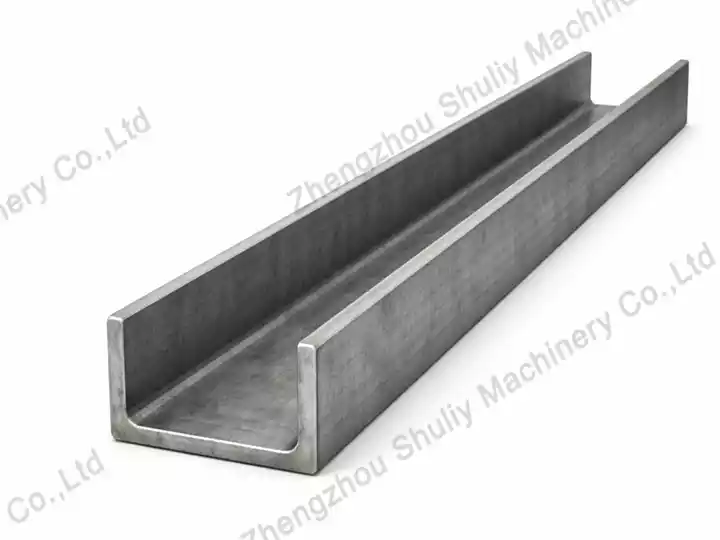
Check the Steel Profile Before Bending
Different steel profiles, thicknesses, and material grades respond differently to bending forces. Variations in the raw material can lead to inconsistent curvature, even when the machine settings remain unchanged.
Before processing, check the steel dimensions and material condition. Consistent incoming materials make it easier to establish repeatable bending parameters.
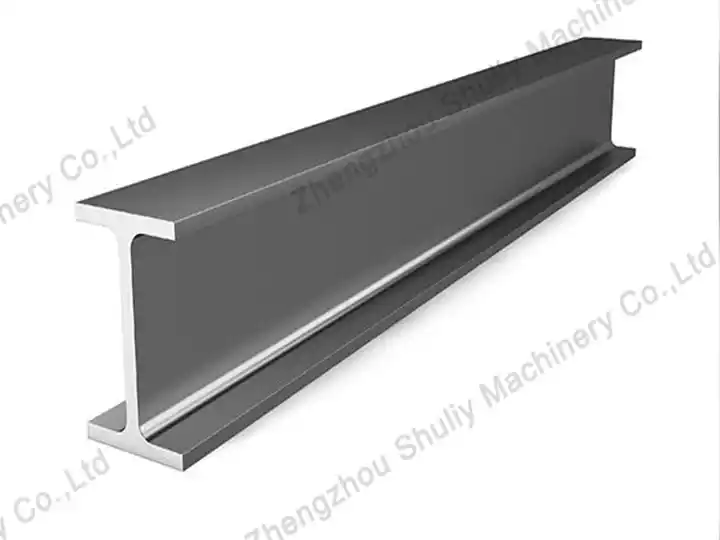
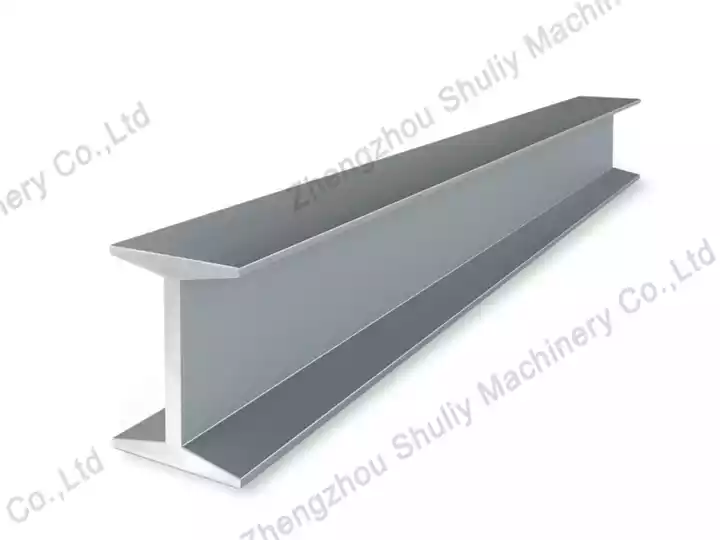
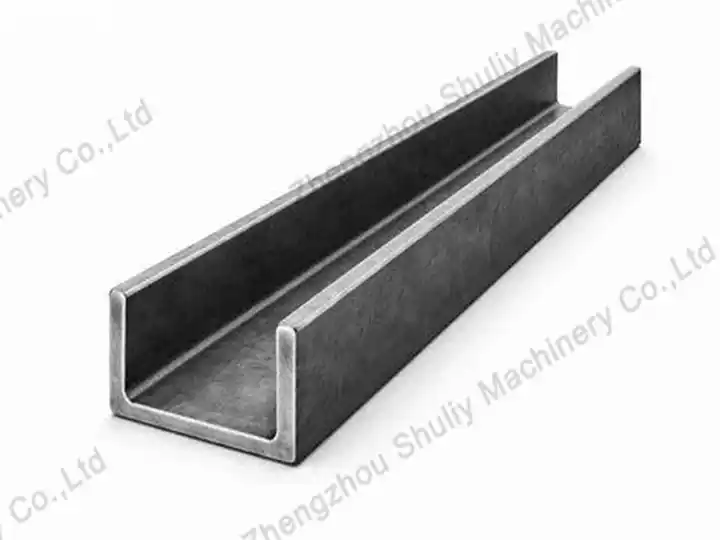
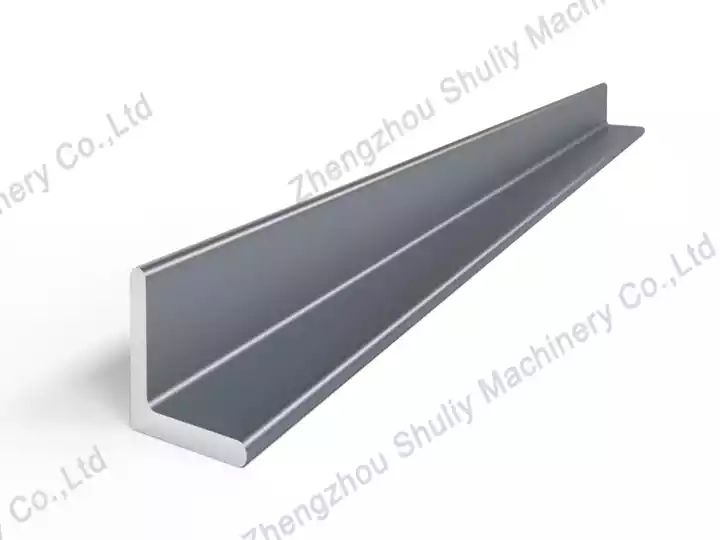
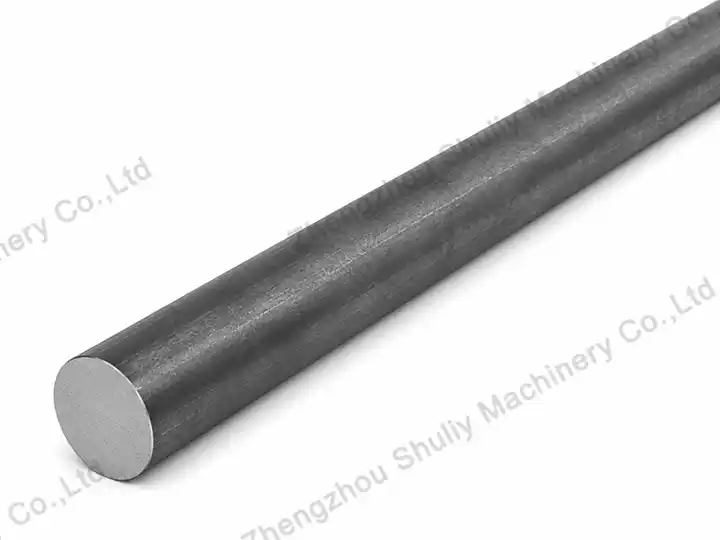
Set the Correct Bending Parameters
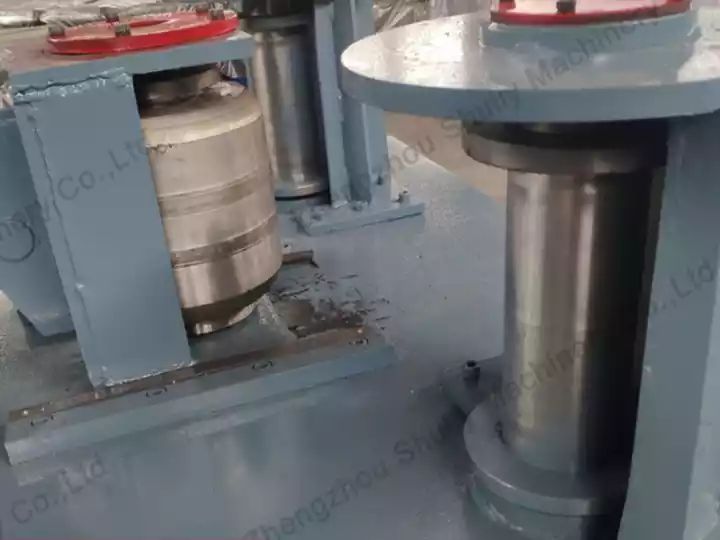
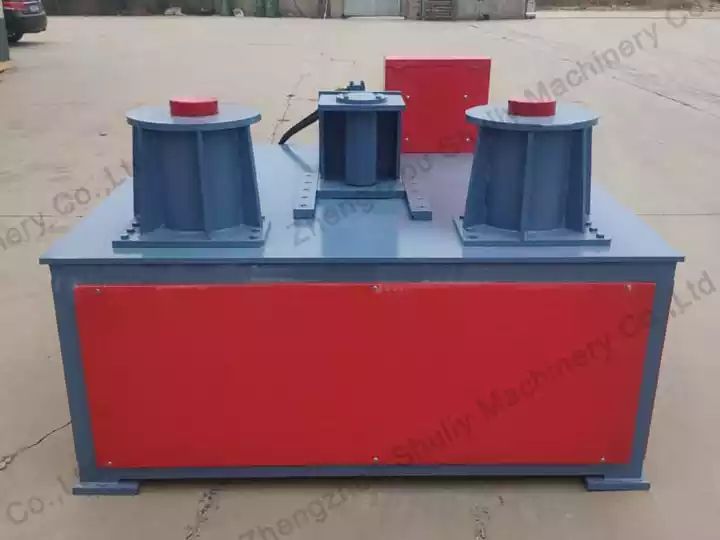
Bending accuracy depends on factors such as roller position, bending pressure, feeding speed, and the target radius. Incorrect settings can produce arches that are too tight, too flat, or inconsistent along their length.
A steel arch bending machine should be adjusted according to the steel profile and the required arch shape. Testing the settings on an initial workpiece helps operators identify deviations before full production begins.
Account for Material Springback
After the bending force is removed, steel may partially return toward its original shape. This is known as springback, and it can cause the final arch radius to differ from the intended design.
The amount of springback varies with material properties, profile dimensions, and bending conditions. Operators should inspect trial pieces and fine-tune the settings to achieve the required final curvature.
Maintain Consistent Feeding and Roller Alignment
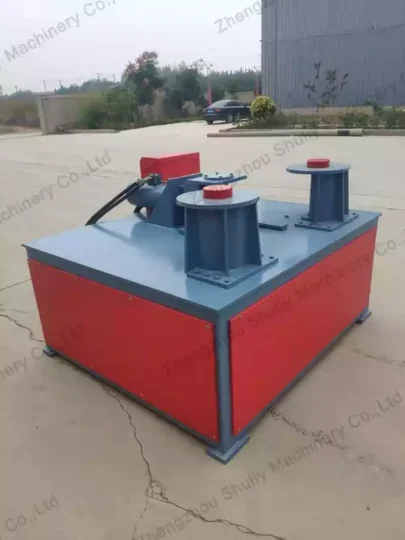
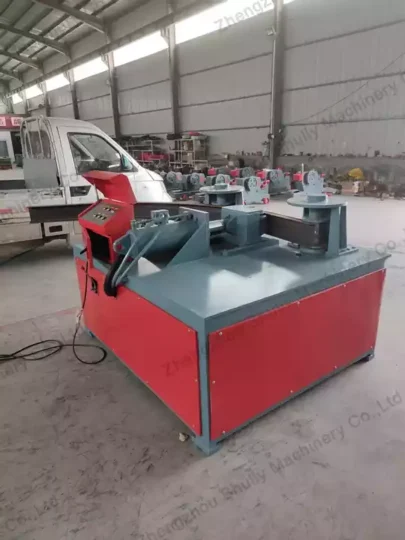
Uneven feeding or misaligned rollers can cause twisting, uneven curvature, or dimensional variation. Regularly checking roller alignment and ensuring the steel enters the machine correctly helps maintain a stable bending process.
For repeated production, consistent feeding and unchanged setup parameters are especially important when manufacturing multiple steel arches for the same construction project.
Measure and Inspect Finished Steel Arches
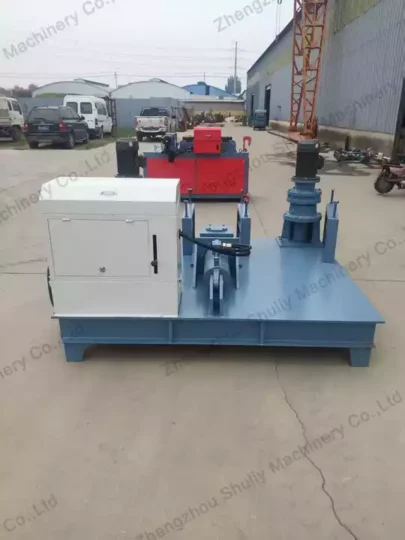
Visual inspection alone may not reveal small dimensional errors. Compare finished arches against the required drawings, checking key dimensions, bending radius, symmetry, and connection points where applicable.
Recording measurements and adjusting the machine when deviations occur can improve repeatability across production batches.
Choose a Steel Arch Bending Machine That Matches Your Project
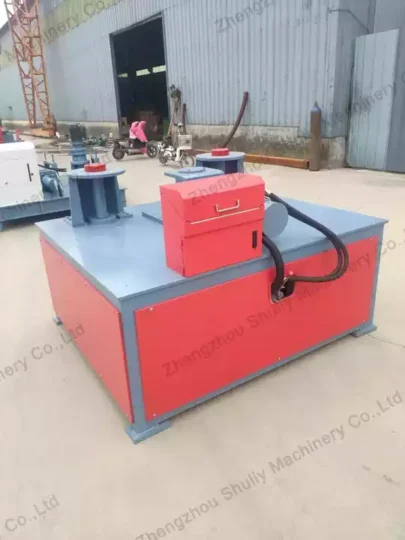
If operators frequently need to correct bent profiles manually, the problem may involve both operating conditions and machine suitability. The required steel profile, material thickness, arch radius, and production volume should all be considered when selecting equipment.
A suitable steel arch bending machine helps establish more repeatable bending conditions, improve production efficiency, and reduce the need for rework. The machine should be selected according to the actual profiles and arch specifications used in your projects.
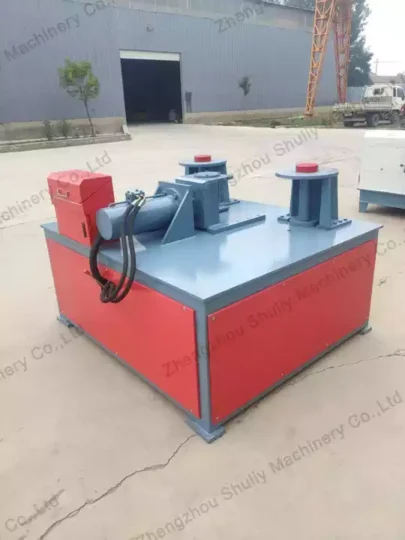
Contact Us for a Steel Arch Bending Solution
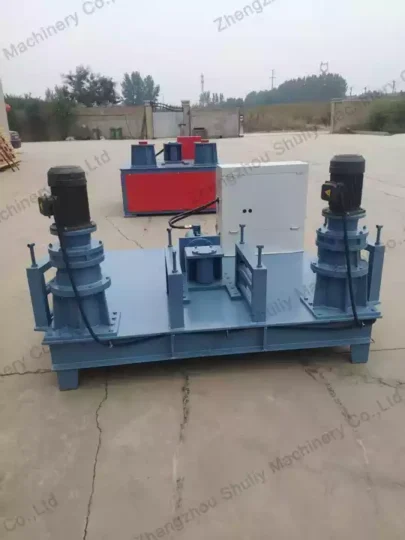
Looking to improve steel arch bending accuracy for tunnel or underground construction? Send us your steel profile dimensions, material thickness, required arch radius, and drawings. We can help you evaluate your requirements and recommend a suitable steel arch bending machine.