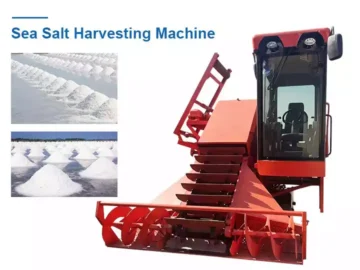
Sea salt is commonly produced by allowing seawater to evaporate in shallow salt ponds. As water gradually evaporates under sunlight and wind, salt crystals form and accumulate on the pond floor. The final harvesting stage is important because large quantities of crystallized salt need to be collected efficiently without unnecessarily increasing labor and handling costs.
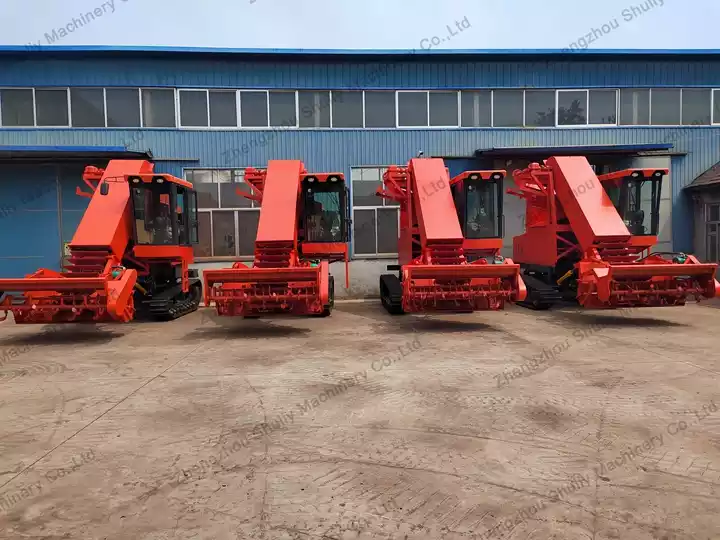
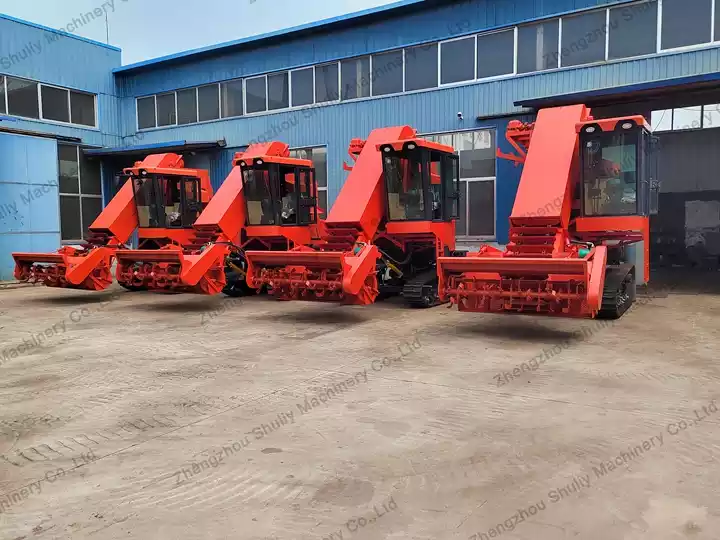
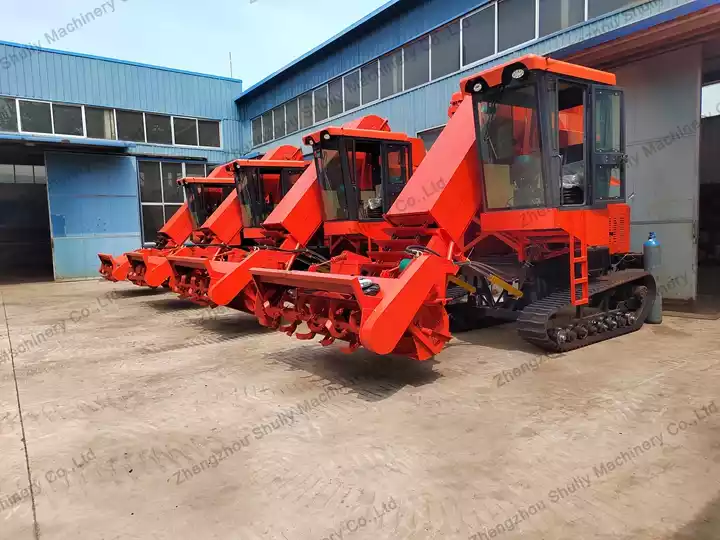
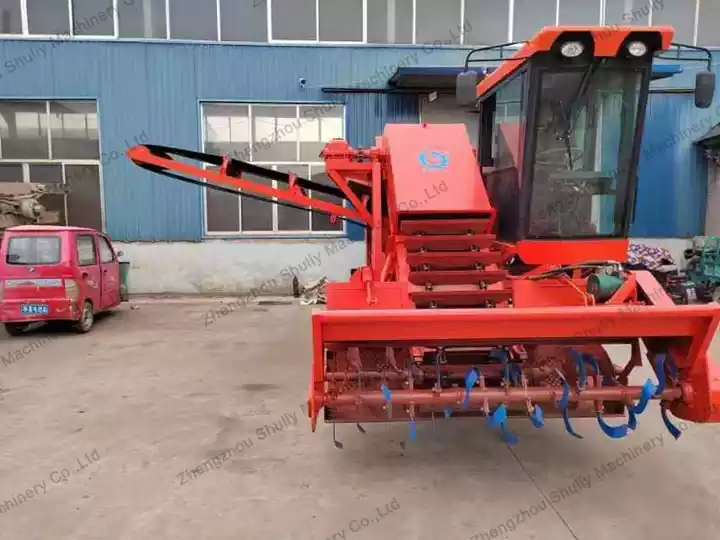
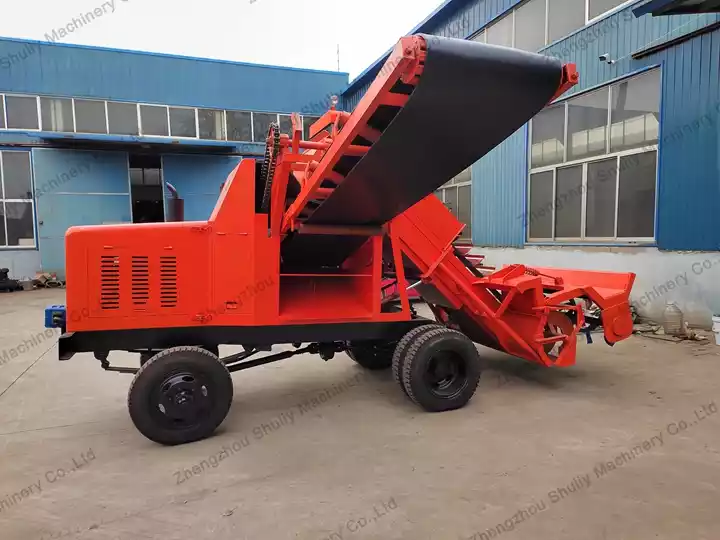
For commercial salt producers, a salt harvesting machine can make this stage faster and more continuous.
Fill Salt Ponds with Seawater
The process begins by directing seawater into a series of shallow ponds. The water moves through different evaporation ponds, allowing part of the water to evaporate as the salt concentration gradually increases.
This staged evaporation process helps producers concentrate the seawater before it reaches the crystallization ponds.
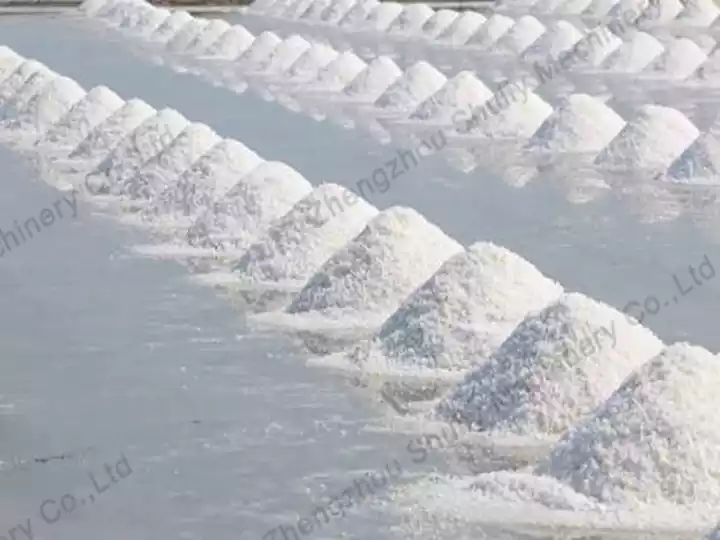
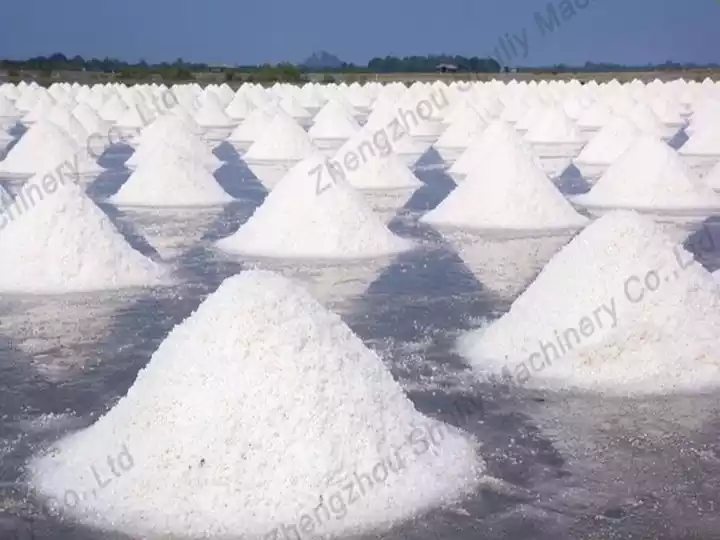
Allow the Salt to Crystallize
When the brine reaches a sufficiently high salt concentration, it enters crystallization ponds. Under suitable weather conditions, continued evaporation causes sodium chloride to crystallize and accumulate on the pond surface or floor.
The thickness of the salt layer depends on the production cycle, weather conditions, pond design, and operating schedule.
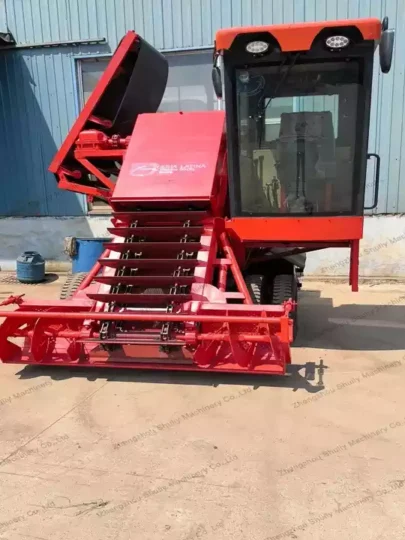
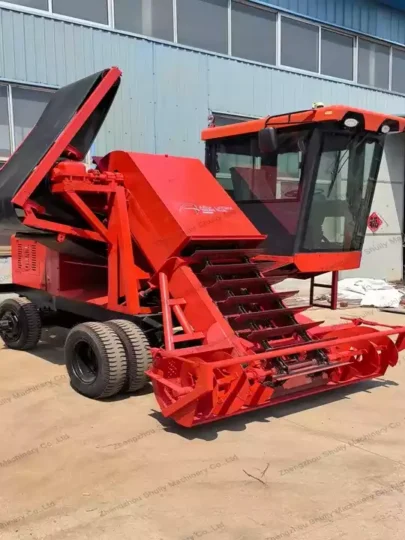
Prepare the Salt for Harvesting
Once enough salt has crystallized, the pond must be prepared for harvesting. The crystallized salt may need to be gathered, loosened, or concentrated into suitable collection areas before mechanical equipment can collect it.
For large salt fields, this stage can involve significant material handling, making mechanized harvesting particularly valuable.
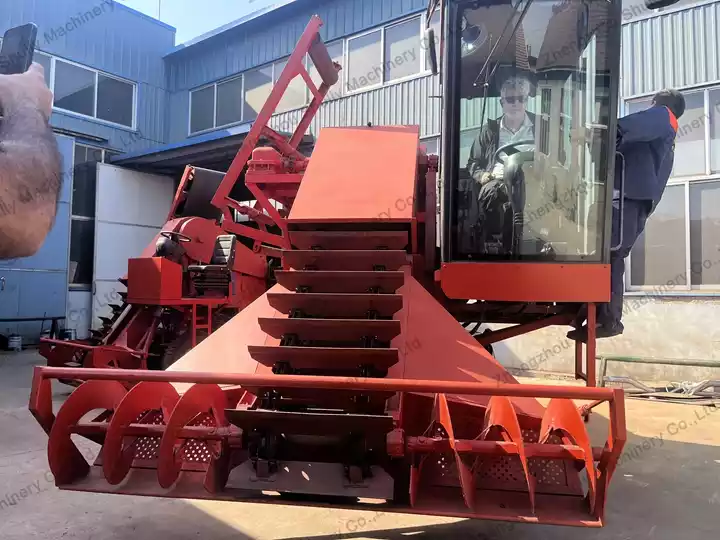
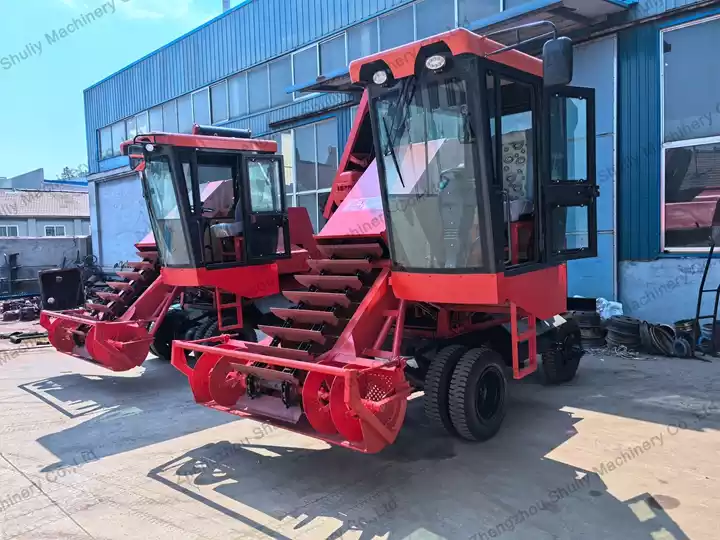
Collect Crystallized Salt Mechanically
Traditionally, workers may collect and move salt manually, but this becomes difficult when production volumes are high. A salt harvesting machine can collect crystallized salt more efficiently and reduce repetitive manual handling.
Mechanical harvesting also helps producers process larger salt ponds within a shorter harvesting period, which can improve overall production efficiency.
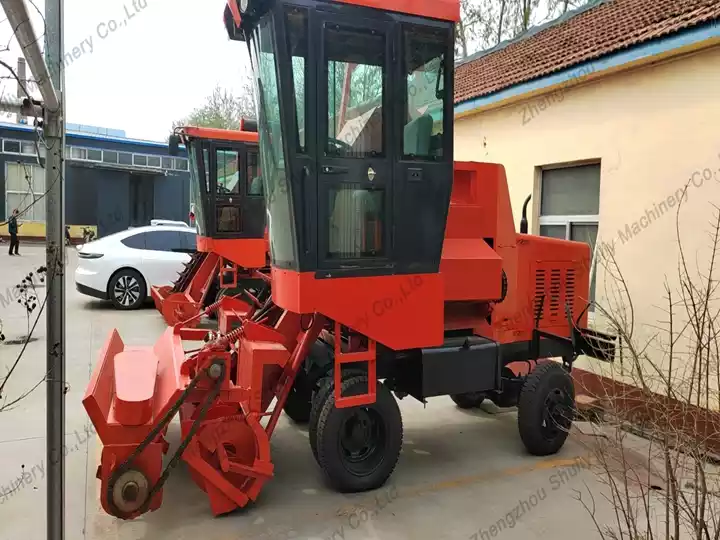
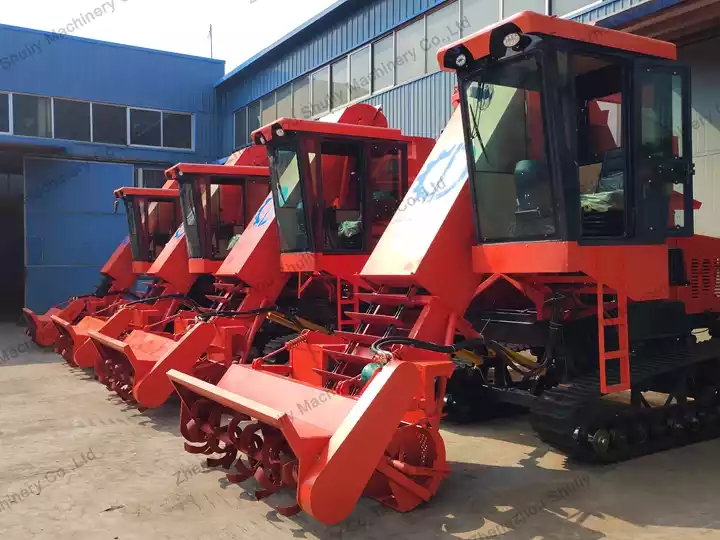
Transport and Stack the Harvested Salt
After collection, the salt is usually transported to a designated area for draining, washing if required, drying, storage, or further processing.
A well-organized salt production system should therefore consider not only the harvesting machine but also the conveying and material-handling capacity after harvesting. Matching the equipment capacity helps prevent harvested salt from accumulating at the collection point.
Improve Salt Pond Harvesting Efficiency
For commercial salt farms, the goal is not simply to collect salt but to establish a smooth process from crystallization to collection and storage. A salt harvesting machine can reduce manual labor, improve collection efficiency, and help producers handle larger quantities of crystallized salt.
If you are planning to mechanize your salt pond operation, send us your salt pond size, expected salt output, salt layer thickness, and harvesting requirements. We can recommend suitable salt harvesting equipment and provide a customized solution for your production.