With millions of plastic bottles discarded every day, PET bottle recycling has become one of the fastest-growing sectors in the recycling industry. Governments are promoting circular economies, manufacturers are increasing the use of recycled plastics, and consumers are becoming more environmentally conscious.
But beyond its environmental benefits, many investors have a more practical question: Is PET bottle recycling a profitable business?
The answer largely depends on factors such as raw material supply, processing efficiency, and the quality of the recycled PET flakes. Let’s explore why this industry continues to attract entrepreneurs around the world.
Why Is PET Recycling in High Demand?
Polyethylene terephthalate (PET) is one of the most widely used plastics for beverage bottles, food containers, and consumer packaging.
Unlike many other plastics, PET can be recycled multiple times and transformed into valuable products such as:
- Polyester fibers
- Plastic sheets
- Опаковъчни материали
- Textile products
- New PET bottles
As more manufacturers incorporate recycled materials into their products, the demand for high-quality recycled PET continues to grow.
Where Does the Profit Come From?
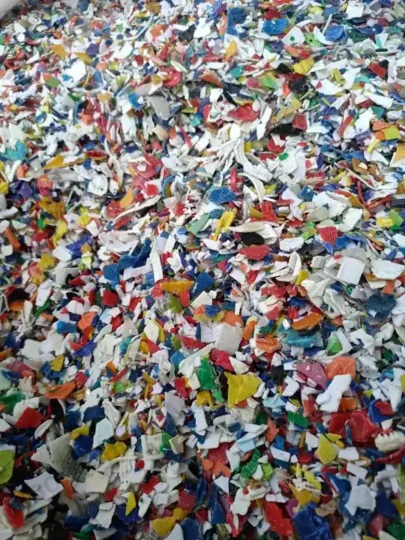
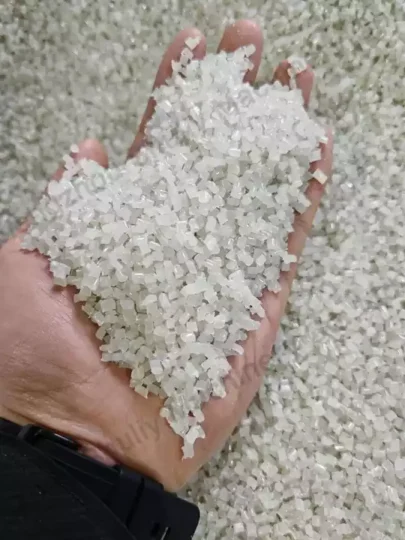
A PET recycling business creates value by converting discarded plastic bottles into clean PET flakes that can be sold to downstream manufacturers.
The basic business model is straightforward:
- Collect used PET bottles
- Sort and remove contaminants
- Wash and crush the bottles
- Produce clean PET flakes
- Sell the recycled material
The greater the cleanliness and purity of the finished flakes, the higher their market value.
For this reason, many successful recyclers focus not only on processing volume but also on improving product quality.
What Factors Affect Profitability?
Although PET recycling offers strong market potential, profitability depends on several key factors.
A Stable Supply of Raw Materials
Consistent access to used PET bottles is essential for maintaining production and controlling purchasing costs.
Many recycling plants establish long-term partnerships with waste collection centers, beverage companies, or municipal recycling programs.
Efficient Processing
Processing efficiency has a direct impact on operating costs.
Modern recycling facilities aim to reduce water consumption, lower energy usage, and minimize material loss throughout the washing and crushing process.
Higher efficiency often leads to lower production costs and improved profitability.
Quality of PET Flakes
Not all recycled PET flakes are equal.
Customers generally prefer flakes with:
- High purity
- Low moisture content
- Minimal PVC contamination
- Consistent particle size
Higher-quality flakes can be used in a wider range of applications and usually command better prices in the market.
Why More Investors Are Entering the Industry
Several trends continue to drive investment in PET bottle recycling.
Many countries have introduced stricter environmental regulations and recycling targets. At the same time, brands are committing to using more recycled plastic in their packaging.
These developments are creating long-term demand for recycled PET materials, making recycling an attractive business opportunity in many regions.
The Role of Modern Recycling Equipment
As production scales increase, manual processing becomes less practical.
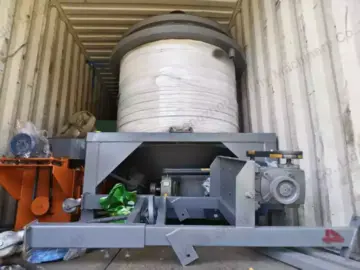
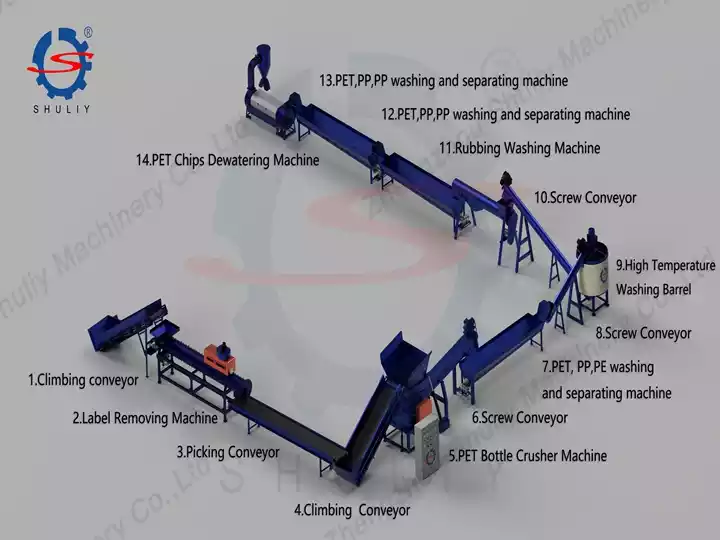
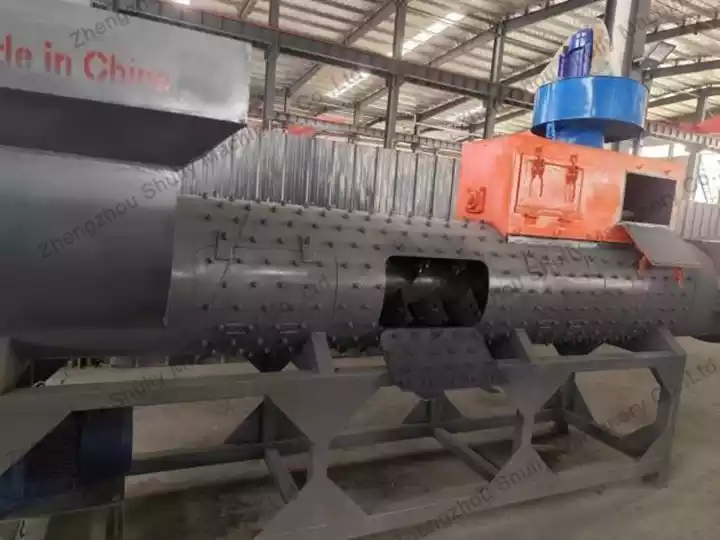
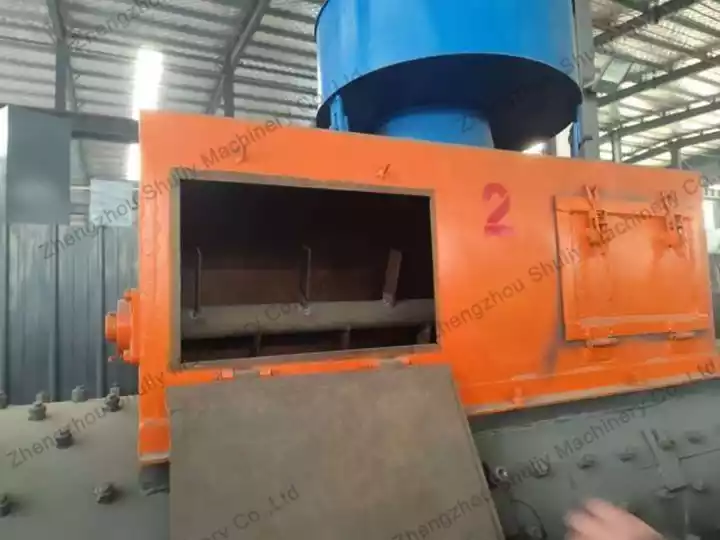
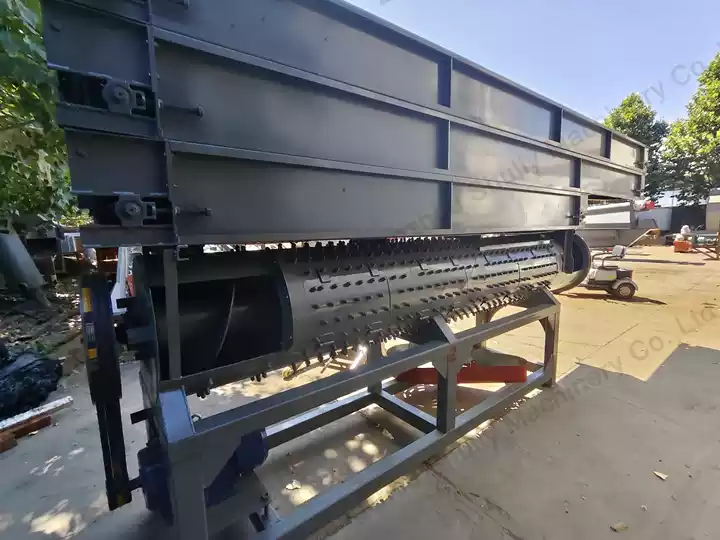
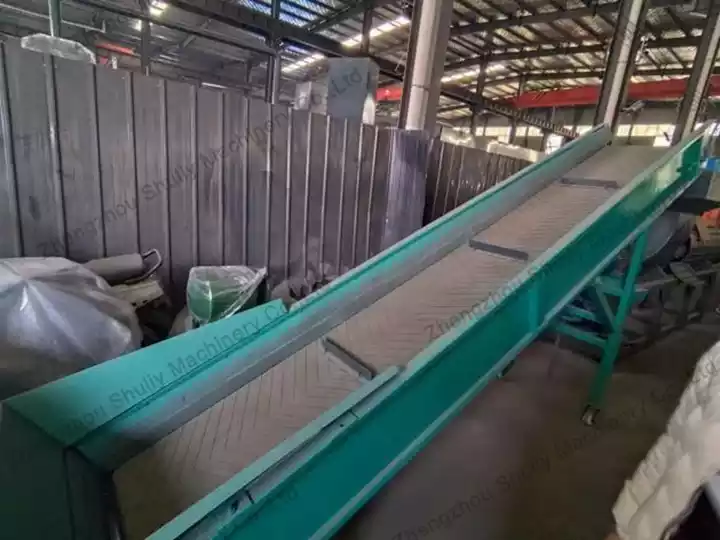
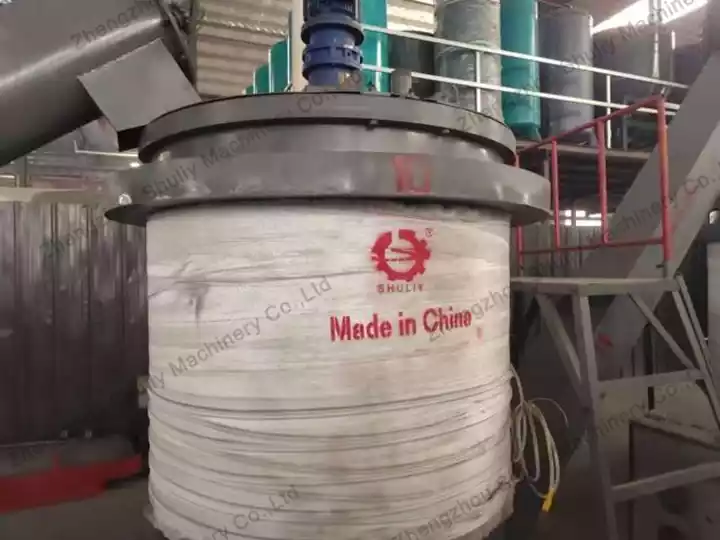
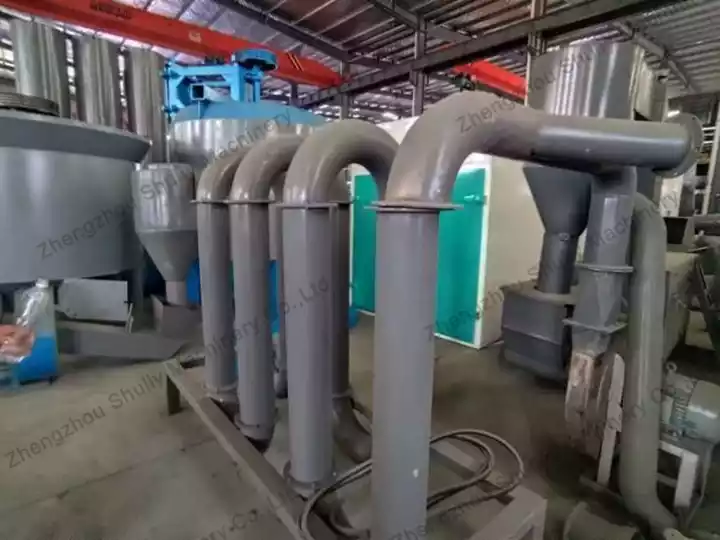
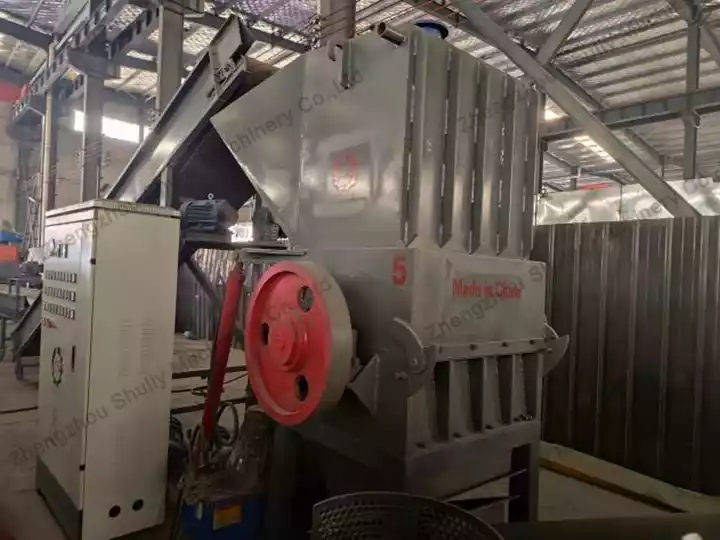
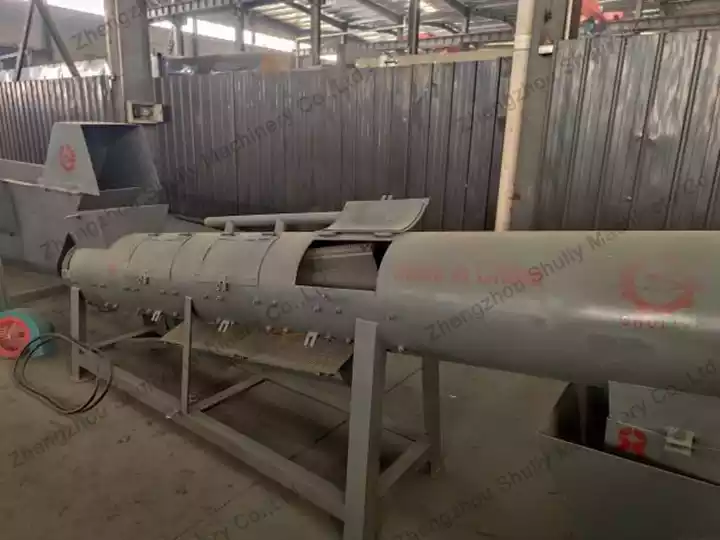
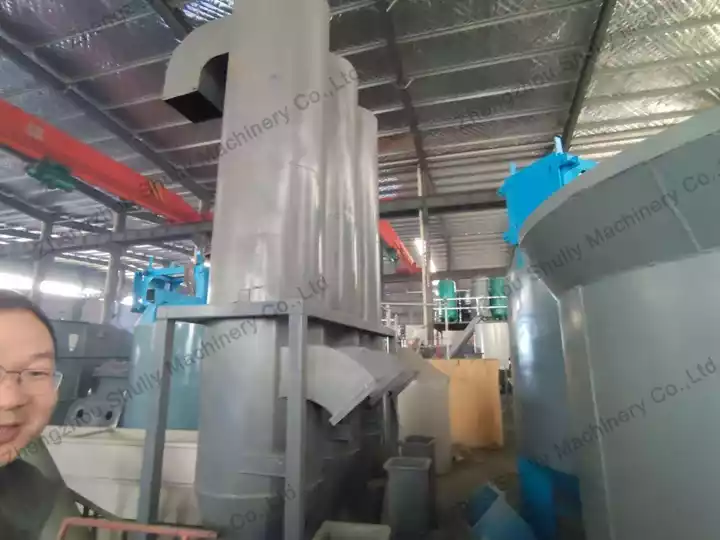
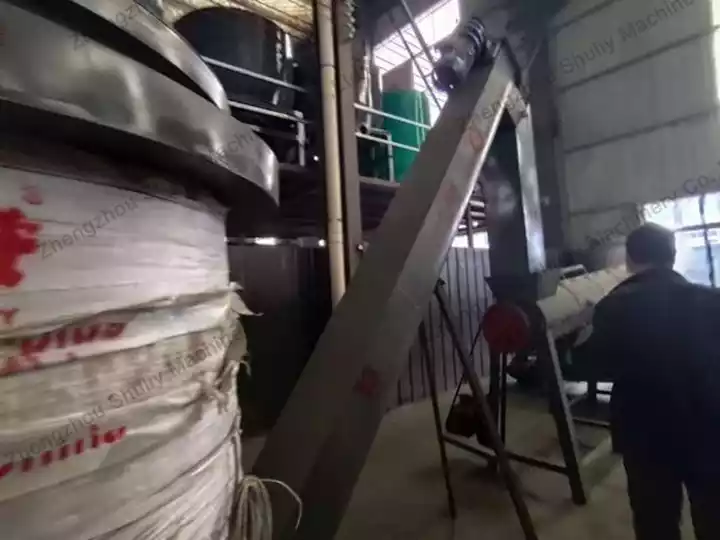
A complete PET bottle recycling line helps automate key stages such as sorting, label removal, crushing, washing, rinsing, and drying. This not only improves production efficiency but also helps produce cleaner PET flakes that meet market requirements.
For businesses planning to establish or expand a recycling plant, selecting the right processing equipment can have a significant impact on both productivity and product quality.
Building a Sustainable and Profitable Recycling Business
PET bottle recycling is more than an environmental initiative—it is a growing industrial business with long-term market potential.
Success depends on combining a reliable supply of raw materials with efficient processing and consistent product quality.
As demand for recycled plastics continues to rise worldwide, investing in a modern PET bottle recycling line can help businesses improve operational efficiency, produce higher-value recycled materials, and strengthen their competitiveness in the recycling market.