If you run a construction company, a steel processing workshop, or a rebar fabrication business, you have probably asked yourself this question more than once. Rebar cutting is one of the most repetitive and labor-intensive tasks on any construction site or steel processing center. And while manual cutters and hand-operated shears have been the standard for decades, rising labor costs, tighter project deadlines, and higher quality expectations are changing the math.
So is an automatic rebar cutting machine actually worth the investment? The short answer is yes — for most operations processing more than a few tons of rebar per week, the machine pays for itself faster than you might expect. But let us break down exactly why, and what you should consider before buying.
Understand What You Are Currently Spending on Manual Cutting
Before evaluating whether an automatic rebar cutting machine is worth it, you need to understand the true cost of your current method. Most rebar processing operations that rely on manual or semi-manual cutting face a set of hidden costs that are easy to overlook:
- Labor: Manual rebar cutting typically requires 2–3 workers per cutting station — one feeding bars, one operating the cutter, and one sorting and stacking cut pieces. Over a month, that is 400–600 labor-hours just for cutting.
- 속도: A worker with a manual cutter can complete roughly 5–8 cuts per minute, and that figure drops as fatigue sets in during a full shift. An automatic rebar cutting machine sustains 28–32 cuts per minute without slowing down.
- Quality inconsistency: Manual cutting produces varying cut lengths, deformed bar ends, and inconsistent angles — especially toward the end of a shift. This leads to rework, rejection by site inspectors, and wasted material.
- Workplace injuries: Hand-operated cutters and manual handling of heavy rebar are among the most common sources of hand, back, and eye injuries on construction sites. Each injury means lost work time, medical costs, and potential liability.
- Scrap and waste: Inaccurate manual cuts produce short offcuts that cannot be used, adding 3–8% material waste to every project.
When you add up labor, rework, injuries, and waste, the real cost of “cheap” manual cutting is often 2–3 times higher than what appears on your payroll. An automatic rebar cutting machine directly addresses each of these cost centers.
An Automatic Rebar Cutting Machine Multiplies Your Output
The most immediate and measurable benefit of switching to an automatic rebar cutting machine is the increase in cutting speed and daily output. Here is a practical comparison:
| Method | Cutting Speed | Cuts per 8-Hour Shift | Workers Needed | Output (tons/shift) |
|---|---|---|---|---|
| Manual hand cutter | 5–8 cuts/min | ~2,500–3,500 | 2–3 | 2–4 |
| Semi-automatic (pedal-operated) | 12–16 cuts/min | ~5,000–7,000 | 2 | 5–8 |
| Automatic rebar cutting machine | 28–32 cuts/min | ~12,000–15,000 | 1 | 12–20 |
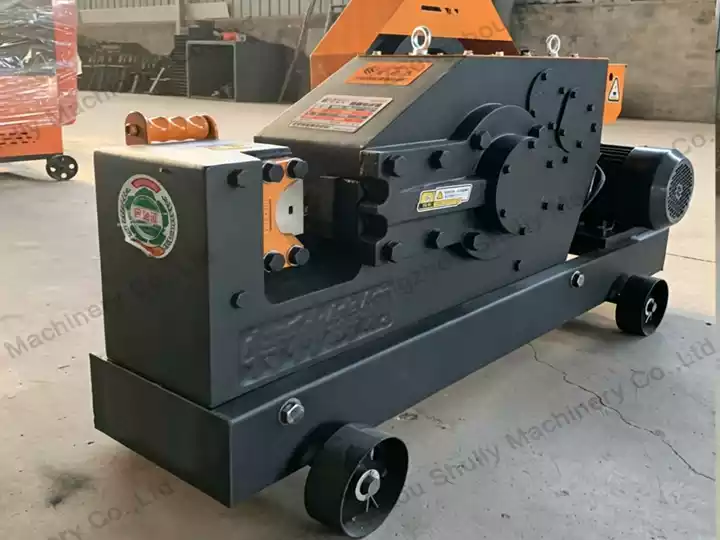
An automatic rebar cutting machine does not just cut faster — it cuts consistently for the entire shift without fatigue, breaks, or quality drift. A single operator feeds bars and monitors the machine, replacing the 2–3 workers needed for manual cutting. The result is a 3–5× increase in daily output with 60–70% less labor.
For a steel processing center handling multiple construction projects simultaneously, this means you can take on more orders, meet tighter deadlines, and stop turning away work because your cutting capacity is maxed out.
Cutting Precision Saves Money on Material and Rework
One of the most overlooked benefits of an automatic rebar cutting machine is cutting precision. Manual cutting methods — even with a skilled operator — produce length variations of ±10–15mm or more. On a construction site, that means bars do not fit the bending templates, do not meet the rebar schedule, or fail inspection.
An automatic rebar cutting machine delivers consistent cuts with length tolerance of ±2–3mm. This precision matters in several ways:
- Less material waste: Accurate cuts mean fewer offcuts and shorter scrap pieces. Over a large project, reducing waste from 5% to 1–2% can save tons of steel.
- Less rework: Bars that are cut to the right length the first time go straight to bending or assembly — no recutting, no delays.
- Better downstream processing: If you also do rebar bending or stirrup fabrication, consistent cut lengths are essential. Bending machines and CNC ring machines perform better with uniformly cut input material.
- Quality compliance: Many construction projects now require rebar processing to meet specific tolerance standards. An automatic rebar cutting machine ensures every piece meets spec — no arguments with site inspectors or rejected deliveries.
The material savings alone often justify the machine purchase. On a project processing 100 tons of rebar, reducing waste by 3% saves 3 tons of steel — which at typical rebar prices can represent a significant dollar amount.
The Machine Handles a Wide Range of Bar Sizes and Materials
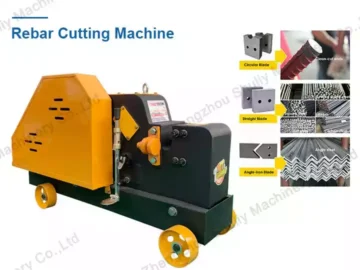
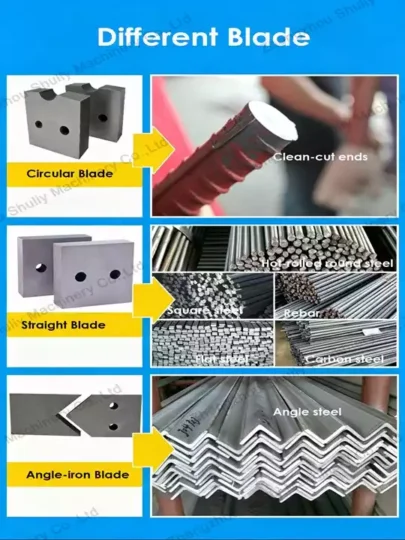
A common concern among buyers is whether an automatic rebar cutting machine can handle the full range of bar sizes their projects require. The answer is yes — modern machines are designed to cut a wide variety of steel sections:
- Rebar (carbon steel, hot-rolled round bar, threaded bar): 6–40mm (GQ40 models) or 6–50mm (GQ50 models) or up to 65mm (heavy-duty models)
- Flat bar: up to 70×15mm
- Square bar: up to 32×32mm
- Angle steel: up to 50×50mm
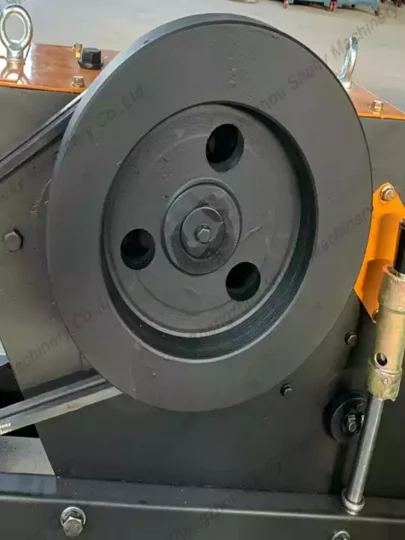
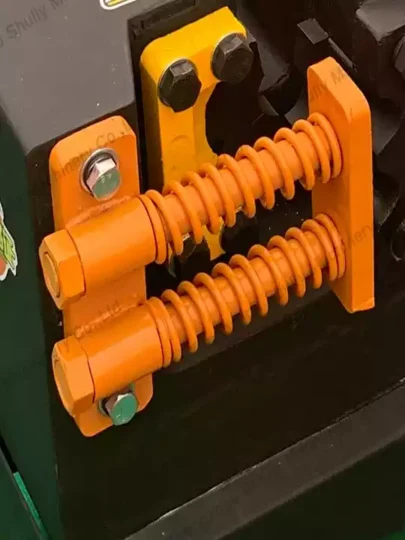
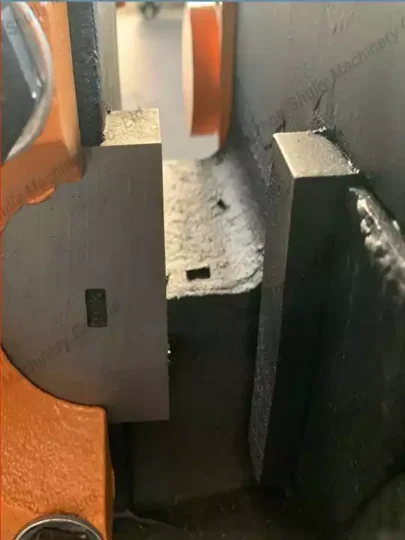
This versatility means one machine can serve your entire rebar cutting operation — from small diameter stirrup bars to large-diameter main reinforcement bars. You do not need separate machines for different bar sizes. The cutting blade is designed to handle the full range, and the machine’s gear-driven mechanism automatically adjusts cutting force based on bar diameter.
For operations that also process other steel sections (flat bar for brackets, angle steel for frames), the automatic rebar cutting machine doubles as a general-purpose steel cutting tool — further improving your return on investment.
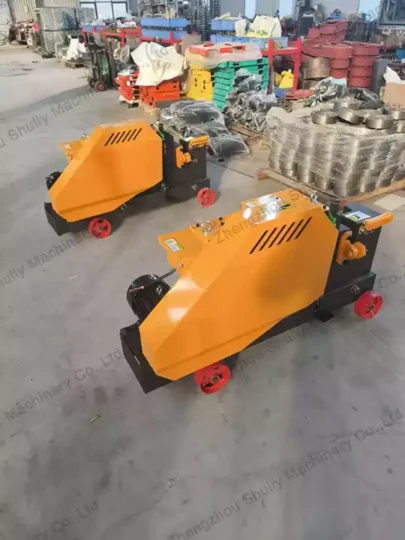
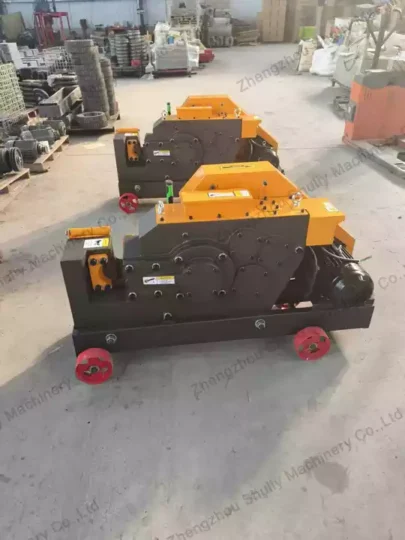
Low Operating Cost and Minimal Maintenance
A major factor in the investment decision is not just the purchase price, but the ongoing operating cost. The good news is that an automatic rebar cutting machine is one of the most economical machines to run in a steel processing workshop:
- Motor power: Only 3–5.5 kW (depending on model) — comparable to a small industrial fan. Running 8 hours a day, the electricity cost is minimal.
- Lubrication: Gear-driven machines use a sealed oil-bath lubrication system (typically gear oil). The oil needs changing only once after the first month of use, then every 6 months thereafter. One fill can last a month of continuous operation.
- Cutting blades: The high-speed steel cutting blade is the only regular consumable. A quality blade lasts 3,000–5,000 cuts before needing sharpening or replacement, and blade replacement takes 10–15 minutes.
- Bearings and seals: With proper lubrication, the main bearings last 2–3 years before replacement — a quick and inexpensive service job.
The total monthly operating cost of an automatic rebar cutting machine — including electricity, oil, and blade wear — is typically less than the cost of a single worker’s daily wage. When you consider that the machine replaces 1–2 workers, the operating cost is almost negligible.
Calculate the Return on Investment
Let us put real numbers to the investment. Here is a typical scenario for a medium-sized steel processing workshop processing 10 tons of rebar per day:
Without an automatic rebar cutting machine (manual cutting):
- Workers needed: 2–3 per cutting station
- Monthly labor cost (2 workers): ~$2,000–$3,000
- Material waste: ~5% of 10 tons/day = 0.5 tons/day = ~10 tons/month
- Monthly material waste cost: ~$5,000–$7,000
- Rework and rejected cuts: ~$500–$1,000/month
With an automatic rebar cutting machine:
- Workers needed: 1 per cutting station
- Monthly labor cost (1 worker): ~$1,000–$1,500
- Material waste: ~1–2% of 10 tons/day = 0.1–0.2 tons/day = ~2–4 tons/month
- Monthly material waste cost: ~$1,000–$2,000
- Electricity: ~$30–$50/month
- Blade and oil: ~$50–$100/month
- Rework: negligible
Monthly savings: $4,000–$8,000 (labor reduction + waste reduction + rework elimination)
Typical payback period: 2–6 months, depending on your daily processing volume and local labor rates. After that, the automatic rebar cutting machine generates pure savings every day it runs. For high-volume operations processing 20+ tons per day, the payback can be even faster — sometimes within the first month.
Even for smaller operations processing 2–3 tons per day, the machine typically pays for itself within 12–18 months — and then continues saving money for years.
Ready to Upgrade Your Rebar Cutting Operation?
Whether you are running a construction site that needs to process rebar faster, a steel processing center that wants to reduce labor costs, or a rebar fabrication business that needs to improve cutting precision and take on more orders, an automatic rebar cutting machine is one of the highest-ROI investments you can make.
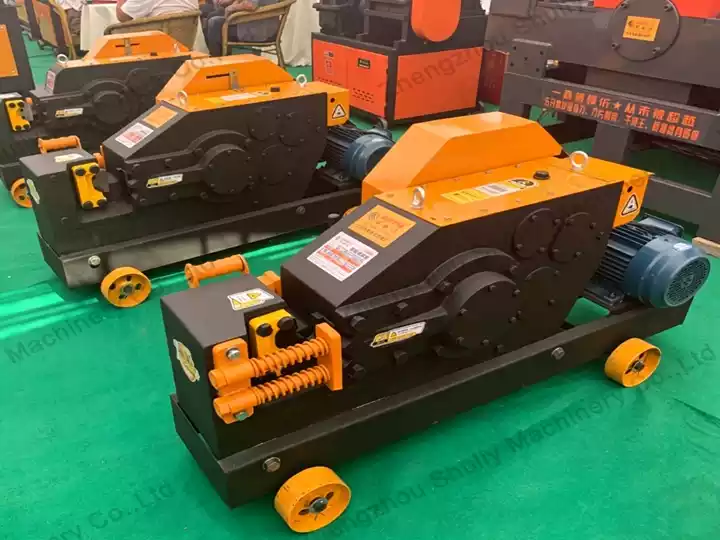
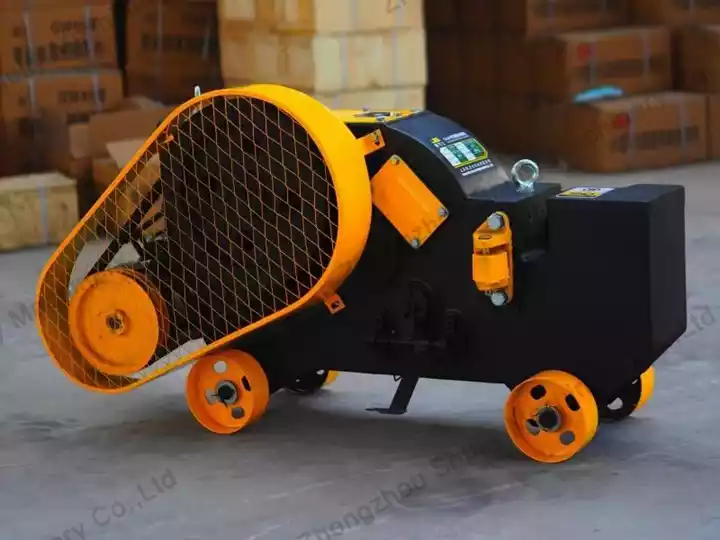
We manufacture automatic rebar cutting machines — from GQ-40 models handling 40mm bars to GQ-60 models cutting 60mm heavy-duty rebar. All machines feature cast iron bodies, sealed gear lubrication, copper motors, and safety protection systems.
Contact us today for a free consultation and quotation. Send us the following details and we will respond within 24 hours with a customized machine recommendation and price:
- Your daily or monthly rebar processing volume (in tons)
- The rebar diameter range you typically cut (min and max)
- The steel types you process (carbon steel, threaded bar, flat bar, angle steel, etc.)
- Your available workshop or site space
- Your power supply (380V, 415V, 220V, or other)
- Any special requirements (mobile unit, specific certification, blade configuration, etc.)
Reach out now and let our engineers help you choose the right automatic rebar cutting machine that pays for itself in months — and keeps saving you money for years.