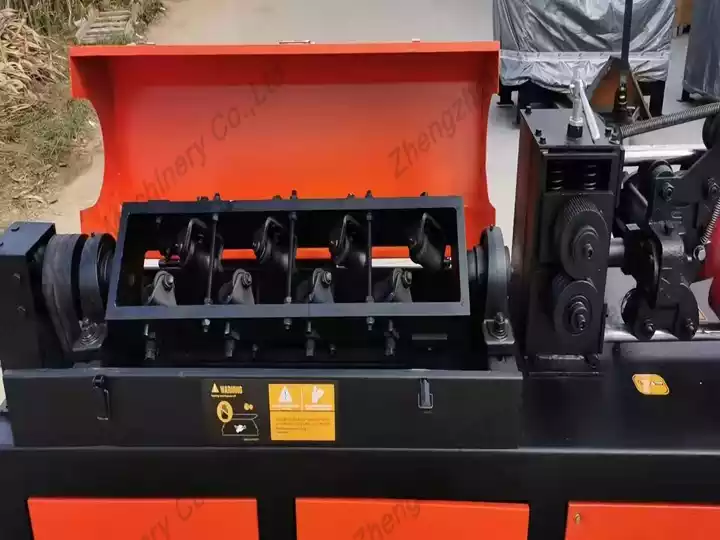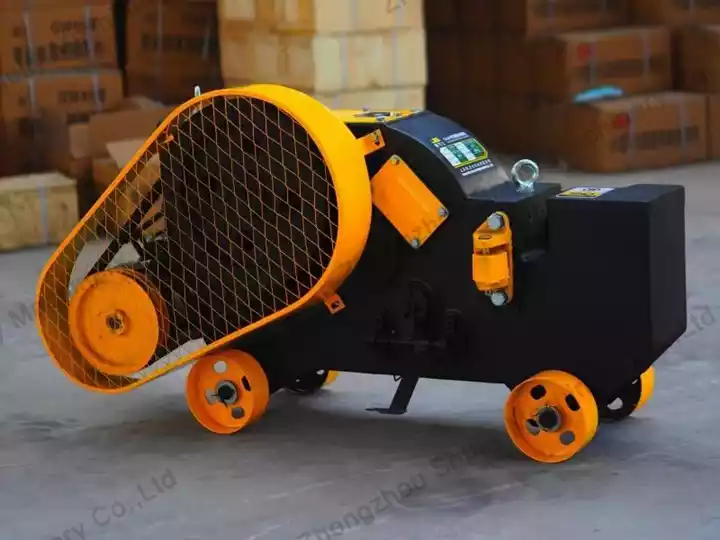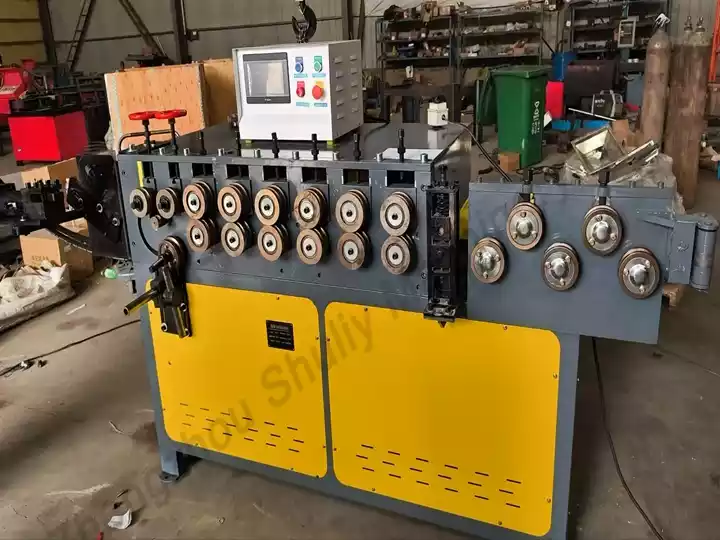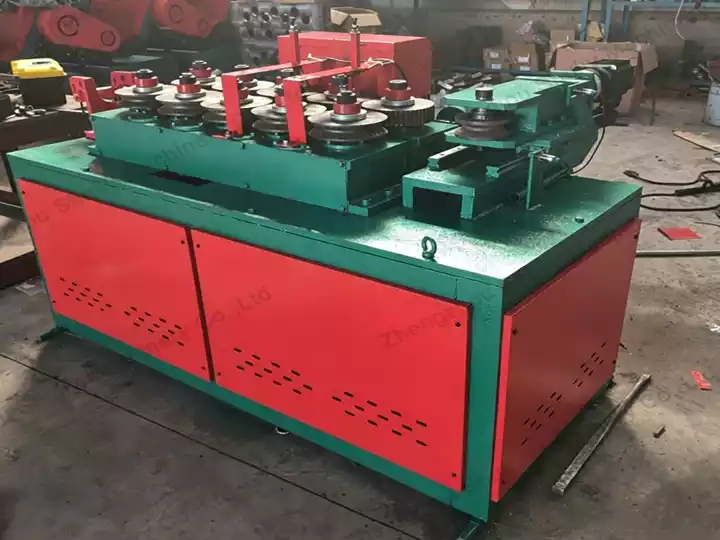
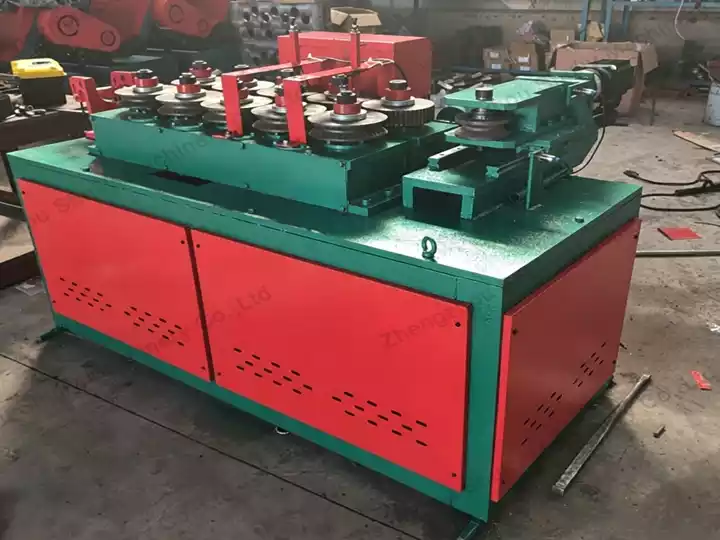
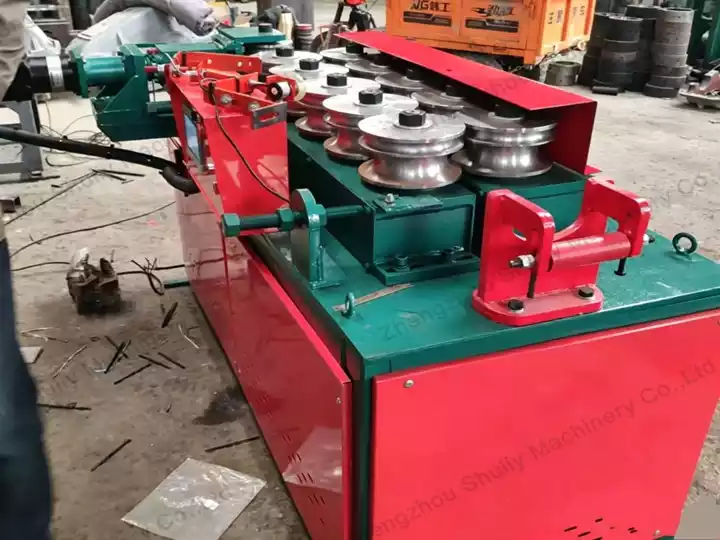
The 9-roller CNC arc bending machine is a multi-function computer-numerical-control bending system designed for arc, circle, and multi-radius bending of metallic bars and tubular profiles. Unlike standard stirrup benders that produce tight-radius angles, this machine specializes in large-radius arc bending — producing smooth circular curves, partial arcs, and full 360-degree rings with consistent accuracy.
Our fully automatic CNC arc bending machine series is available in three roller configurations — 7-wheel, 9-wheel, and 11-wheel — with the 9-wheel and 11-wheel models being the most popular choices for professional steel processing operations. Covering a rebar bending range of 4 mm to 36 mm and tube bending up to 60 mm in diameter, this machine delivers precise arc bending, circle bending, and 360-degree continuous bending with PLC-programmed accuracy and servo-driven motion control.
Key Capabilities at a Glance
| Parameter | Model: 9-Wheel | Model: 11-Wheel |
|---|---|---|
| Rebar diameter | 4–32 mm | 4–36 mm |
| Round tube diameter | 10–60 mm | 10–60 mm |
| Oval tube diameter | 30 × 80 mm | 30 × 80 mm |
| Motor power | 3.8 kW | 5.5 kW |
| Travel motor | 4 kW | 4 kW |
| Travel speed | 12 m/min | 12 m/min |
| Machine weight | 900 kg | 1,050 kg |
| Dimensions (L×W×H) | 1,100 × 1,800 × 1,200 mm | 1,100 × 1,800 × 1,200 mm |
| Rated voltage | 380V | 380V |
| Min. bending circle diameter | 200 cm | 200 cm |
| Operation modes | Manual / Semi-automatic / Fully automatic | Manual / Semi-automatic / Fully automatic |
Nine‑Wheel Arc Bender Applications by Industry
The fully automatic steel bar bender serves a broad range of construction and industrial applications:
- Construction Sites
- Bridge Construction
- Tunnel Construction
- Steel Bar Processing Centers
- Building Materials Companies
- Engineering Construction
Multi‑Function 9‑Roller Bender: Material Types Supported
One of the defining features of our multi-function CNC bending machine is its ability to process a wide range of bar and tube profiles — eliminating the need for separate specialized machines in workshops handling diverse steel processing tasks.
| Material Type | Description | Typical Application |
|---|---|---|
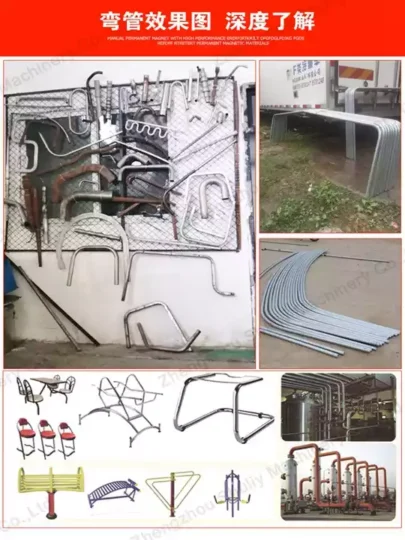
| Round steel bars | Solid circular cross-section bars | Construction rebar, structural steel, machinery components |
| Threaded rebar (rebar) | Ribbed/deformed steel bars | Concrete reinforcement, bridge construction, building foundations |
| Square tubes | Square cross-section hollow tubes | Structural frames, furniture, architectural elements |
| Round tubes | Circular hollow tubes | Handrails, pipe supports, mechanical tubing, decorative applications |
| Oval tubes | Elliptical cross-section tubes | Decorative architectural elements, furniture, fitness equipment |
| Custom profiles | Non-standard cross-sections | Available upon request — contact us with your specifications |
Customization note: Beyond the standard material types listed above, we offer custom die sets and roller configurations for special profile bending requirements. Whether you need a dedicated oval tube bending machine setup or multi-profile changeover capability, the machine can be configured to your specific needs.
How Does a CNC Arc Bending Machine Work?
Understanding how a CNC arc bending machine works helps operators maximize production quality and minimize material waste.
Step 1: Material Loading and Positioning
The steel bar or tube is loaded onto the machine’s feeding platform. The material is positioned between the upper and lower roller sets. Double anti-skid driving wheels grip the material securely, preventing slippage during the bending process.
Step 2: Program Selection or Input
The operator selects a pre-programmed bending pattern from the PLC system, or inputs custom parameters:
- Arc radius — the target radius of the curved section
- Bending angle — the arc length expressed in degrees (e.g., 90°, 180°, 360°)
- Feed length — the straight section before/after the arc
- Number of arc segments — for multi-radius compound shapes
Step 3: Servo-Driven Bending
The intelligent servo motor activates the roller assembly. The lower rollers drive the material forward at the programmed travel speed (12 m/min) while the upper rollers apply downward pressure to form the arc. The CNC system continuously monitors and adjusts roller position to maintain the target bending radius throughout the arc.
Step 4: Multi-Radius and Compound Bending
For complex parts requiring multiple arc radii or combined straight-and-arc segments, the PLC system executes the complete bending sequence automatically — feeding the material to the correct position, switching to the programmed radius, and executing each bend in sequence.
Step 5: Automatic Operation Cycle
In fully automatic mode, the machine executes the entire bending program without operator intervention after initial loading. The double foot switch provides hands-free operation — the right switch controls forward rotation (feeding/bending), and the left switch controls reverse rotation (material retraction/adjustment), reducing operator hand workload and improving safety.
Step 6: Finished Part Output
After the bending cycle completes, the finished part is discharged from the machine. For production runs, the next material is loaded, and the cycle repeats — the PLC system retains the active program for continuous production.
Fully Automatic CNC Arc Bending Machine: Three Core Advantages
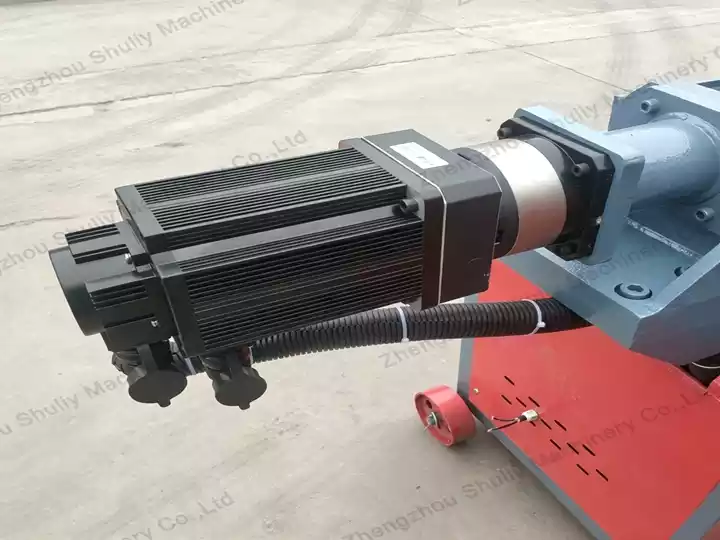
1. Intelligent Servo Motor System
The servo motor bending machine is driven by an intelligent servo motor that delivers precise, programmable motion control. Unlike conventional hydraulic or mechanical benders with fixed speeds and forces, the servo system provides:
- Variable bending speed — adjustable from slow (for thick/hard materials) to fast (for thin/soft materials), ensuring optimal bending quality across different steel grades
- Three operation modes — operators can select manual, semi-automatic, or fully automatic operation depending on production volume and part complexity
- Precise positioning — servo control ensures roller positioning accuracy of ±0.1°, critical for multi-radius arc parts where cumulative error must be minimized
- Energy efficiency — servo motors consume power only during bending motion, reducing energy consumption by 30–40% compared to continuously running hydraulic systems
2. PLC Microcomputer Control System
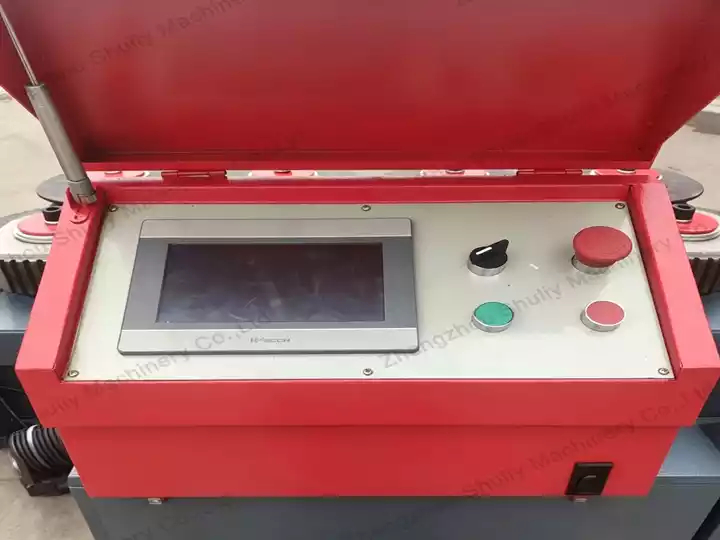
The PLC bending machine is equipped with a microcomputer control system that provides:
- Pre-programmed bending patterns — multiple bending and arc-forming programs are pre-installed, covering common arc geometries, circular shapes, and multi-radius combinations
- Bilingual display — Chinese and English character interface for international operability
- Programmable custom shapes — operators can input custom bending parameters (arc radius, bending angle, feed length, number of bends) via the touch-screen interface for one-off or repeat production
- Program memory — commonly used bending programs can be saved and recalled instantly, enabling rapid changeover between production runs
- Computer memory function — the system retains program data even after power-off, eliminating reprogramming downtime
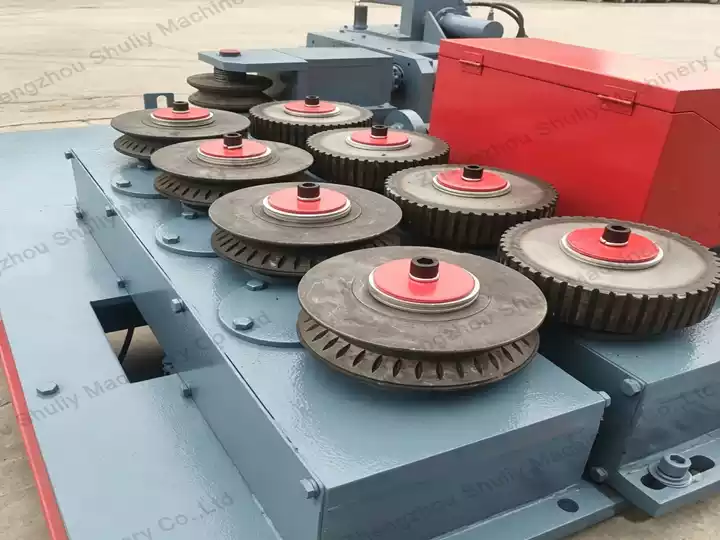
3. Multi-Roller Configuration (7 / 9 / 11 Wheel)
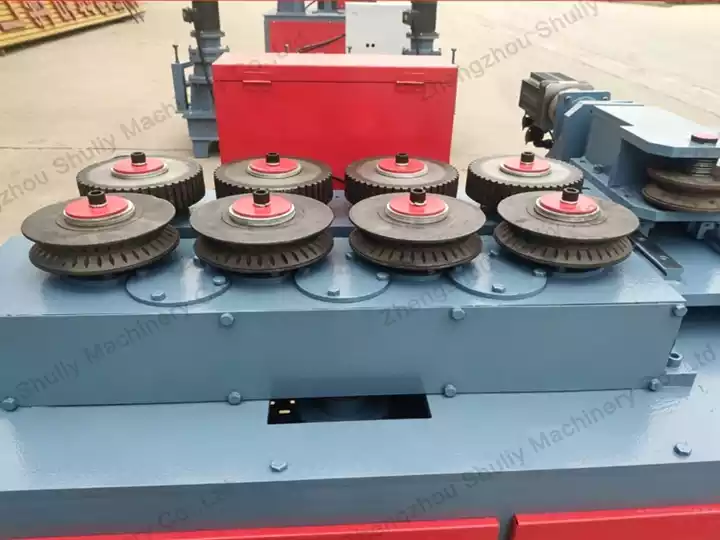
The machine is available in three roller configurations, allowing customers to select the optimal setup for their typical processing requirements:
| Configuration | Best For | Typical Material Size |
|---|---|---|
| 7-wheel | Light-duty arc bending, smaller diameter bars | Thin bars and tubes up to ~25 mm |
| 9-wheel | Medium to heavy-duty arc bending — most popular | Rebar 4–32 mm, tubes 10–60 mm |
| 11-wheel | Heavy-duty arc bending, larger diameter bars | Rebar 4–36 mm, tubes 10–60 mm |
The multi-roller design distributes bending force across multiple contact points, reducing material deformation and surface marking — particularly important when bending thin-wall tubes or coated/decorative steel products.
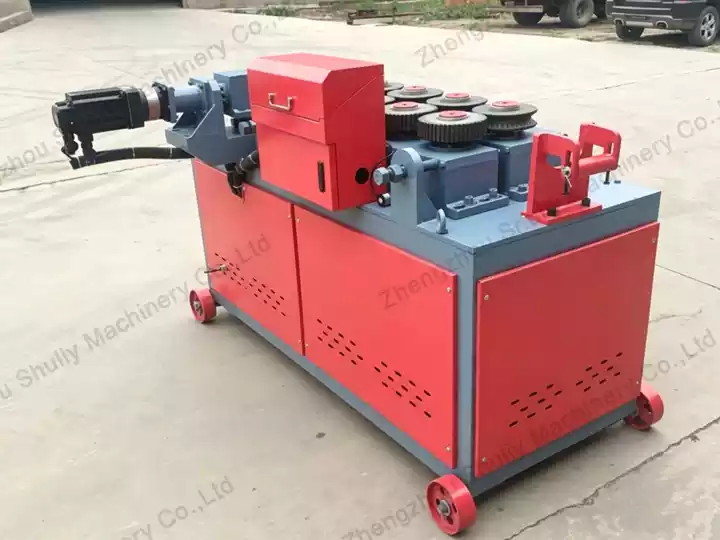
9-Wheel vs 11-Wheel: Which Model Do You Need?
| Feature | Model: 9-Wheel | Model: 11-Wheel |
|---|---|---|
| Max rebar diameter | 32 mm | 36 mm |
| Motor power | 3.8 kW | 5.5 kW |
| Machine weight | 900 kg | 1,050 kg |
| Typical use case | Standard construction rebar (4–32mm), medium-duty tube bending | Heavy-duty rebar (up to 36mm), thick-wall tubes, demanding industrial applications |
| Price point | More affordable — best value for typical construction needs | Higher investment — justified for larger diameter or higher volume processing |
| Material versatility | Same — round bars, rebar, square tubes, round tubes, oval tubes | Same — round bars, rebar, square tubes, round tubes, oval tubes |
Selection tip: If your primary work involves standard construction rebar up to 32 mm diameter, the 9-wheel model provides the best balance of capability and value. If you regularly process larger diameter bars (33–36 mm) or require higher throughput with thicker materials, the 11-wheel model with its 5.5 kW motor delivers the additional power and roller distribution needed for demanding production.
FAQ
What is the bending range of the 9-roller CNC arc bending machine?
The 9-wheel model handles rebar with diameters from 4 mm to 32 mm, round tubes from 10 mm to 60 mm, and oval tubes up to 30 × 80 mm. The 11-wheel model extends rebar capacity to 4–36 mm. Both models share the same tube-bending range and oval-tube capacity.
What material types can this CNC arc bending machine process?
The machine can bend round steel bars, threaded rebar (deformed bars), square tubes, round tubes, and oval tubes. Custom die sets are available for non-standard profiles — contact us with your specific material specifications.
What is the difference between the 9-wheel and 11-wheel models?
The 11-wheel model has a larger motor (5.5 kW vs 3.8 kW), handles larger rebar diameters (up to 36 mm vs 32 mm), and weighs more (1,050 kg vs 900 kg). Both share the same dimensions, tube bending range, and travel speed. We recommend the 11-wheel model for workshops that regularly process larger-diameter or thicker materials.
Can the machine bend full circles (360 degrees)?
Yes. The CNC arc bending machine can produce full 360-degree circles, partial arcs at any angle, and multi-radius compound shapes. The minimum bending circle diameter is 200 cm. Pre-programmed circular patterns are available in the PLC system.
Does the machine support custom bending programs?
Yes. The PLC microcomputer system supports custom program input via the touch-screen interface. Operators can define arc radius, bending angle, feed length, and number of segments. Programs can be saved in memory for instant recall on repeat orders.
Can I use this machine for oval tube bending?
Yes. The machine is specifically designed to handle oval tubes up to 30 × 80 mm in cross-section. The multi-roller configuration provides even pressure distribution that prevents distortion of the oval profile during bending — a capability that standard single-roller benders cannot achieve.
What is the minimum bending circle diameter?
The minimum bending circle diameter is 200 cm (2 meters). This means the machine is optimized for large-radius arc bending rather than tight-radius angle bending. For tight-radius stirrup bending, a dedicated stirrup bender would be more appropriate.
Is the machine suitable for bridge and tunnel construction?
Yes. Bridge construction and tunnel engineering are among the primary applications for this machine. The ability to produce consistent large-radius arcs in rebar up to 36 mm makes it ideal for bridge arch reinforcement, tunnel lining rings, and curved structural steel components.
Ready to Upgrade Your Steel Bending Operations?
Whether you’re processing rebar for construction sites, bending tubes for bridge construction, or producing arc-bent steel for tunnel engineering, our 9-roller CNC arc bending machine delivers the precision, versatility, and production efficiency your operation demands.
Contact us today with your material specifications (bar/tube diameter, material type, typical bending radius, and production volume) for a customized quotation. Our engineering team will help you select the right wheel configuration (7, 9, or 11 wheel) and motor specification to match your exact bending requirements.
Related Products
- CNC Pipe Bending Machine — 10–100mm precision tube bender for aerospace, automotive & industrial applications
- Rebar Cutting Machine — GQ40/GQ50/GQ60 steel bar cutter for construction
- Scrap Rebar Granulator — Heavy-duty steel bar cropping machine for recycling
- CNC Rebar Straightening and Cutting Machine — 4–14mm automatic steel bar straightener cutter